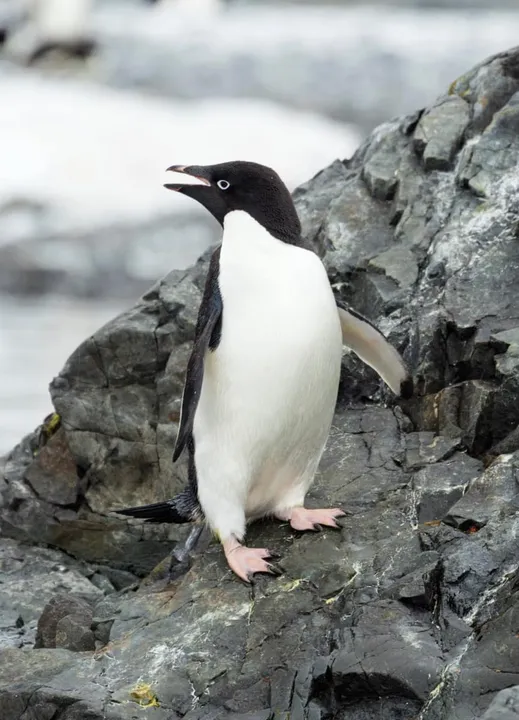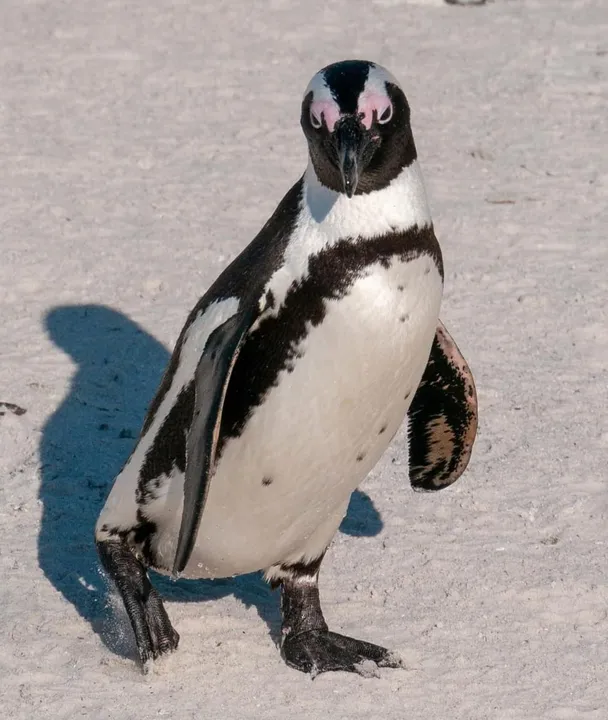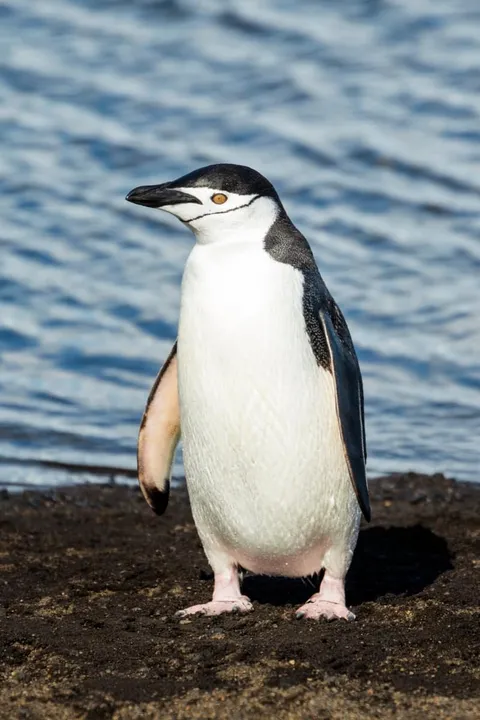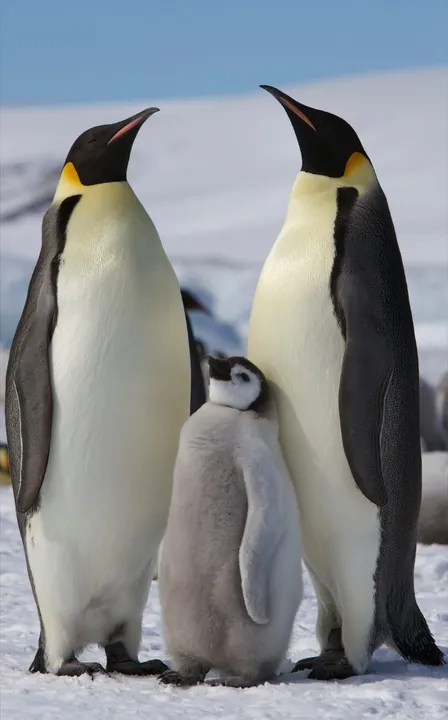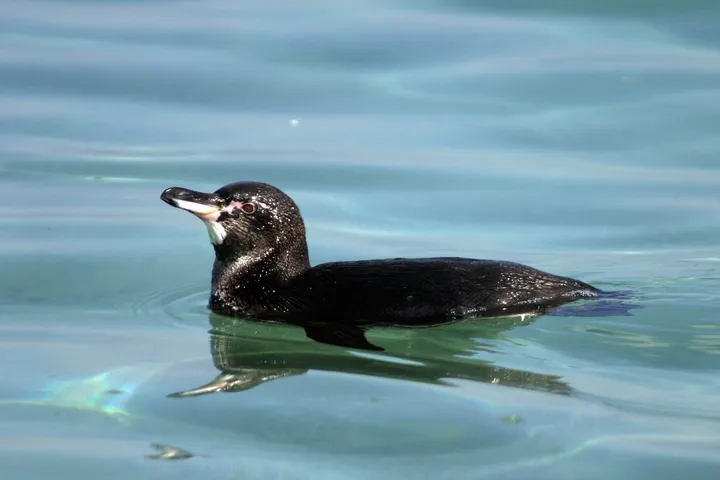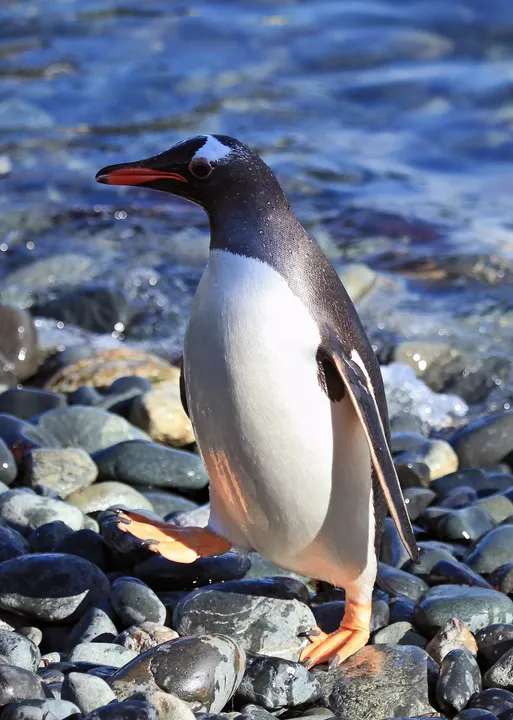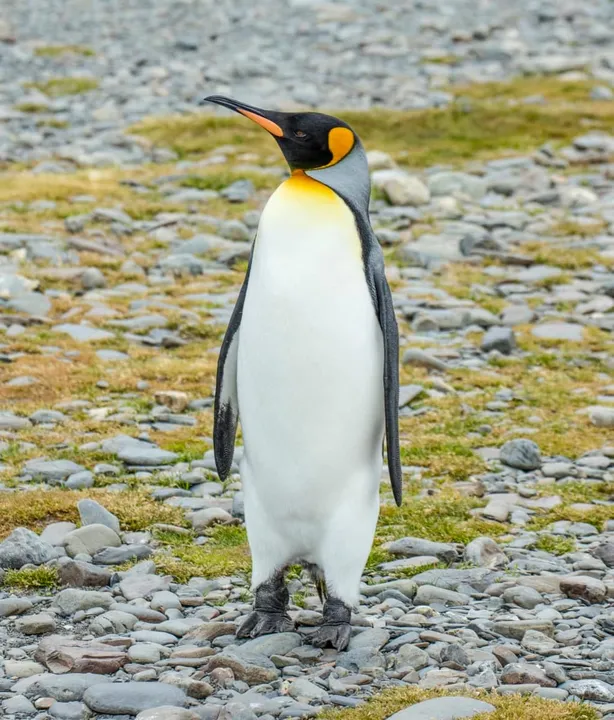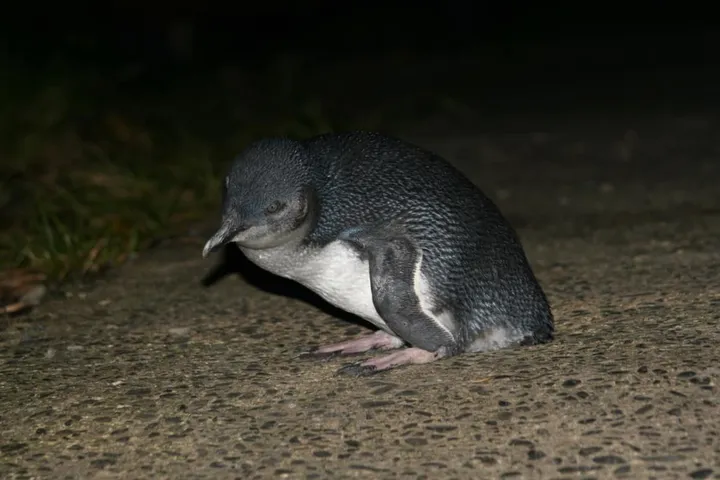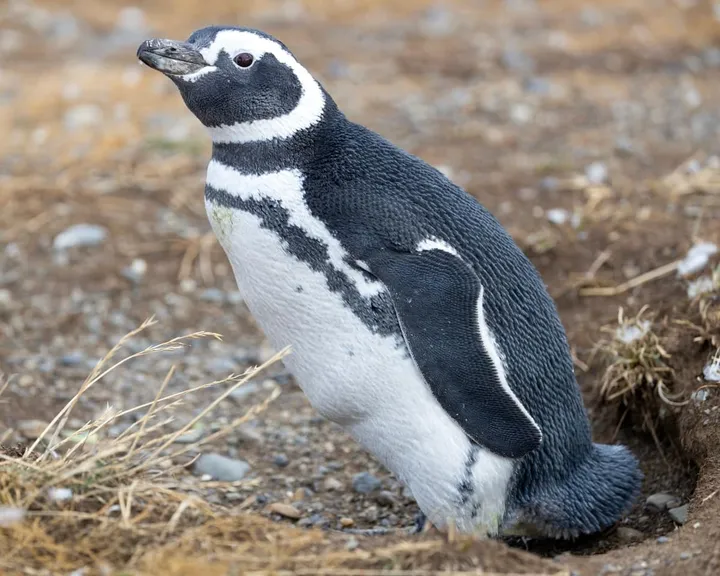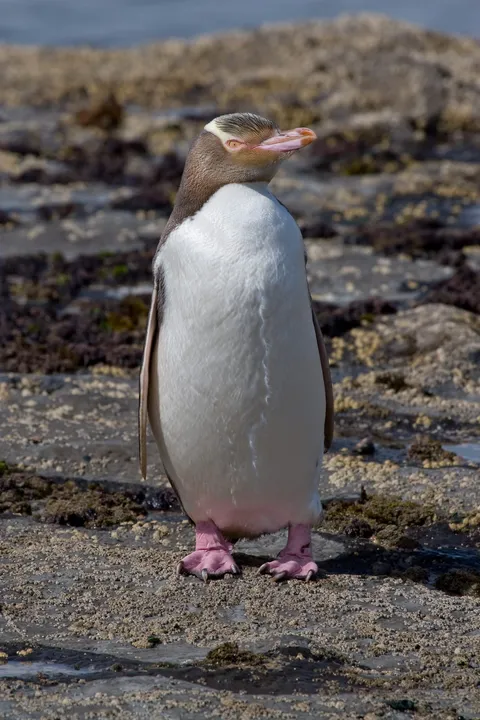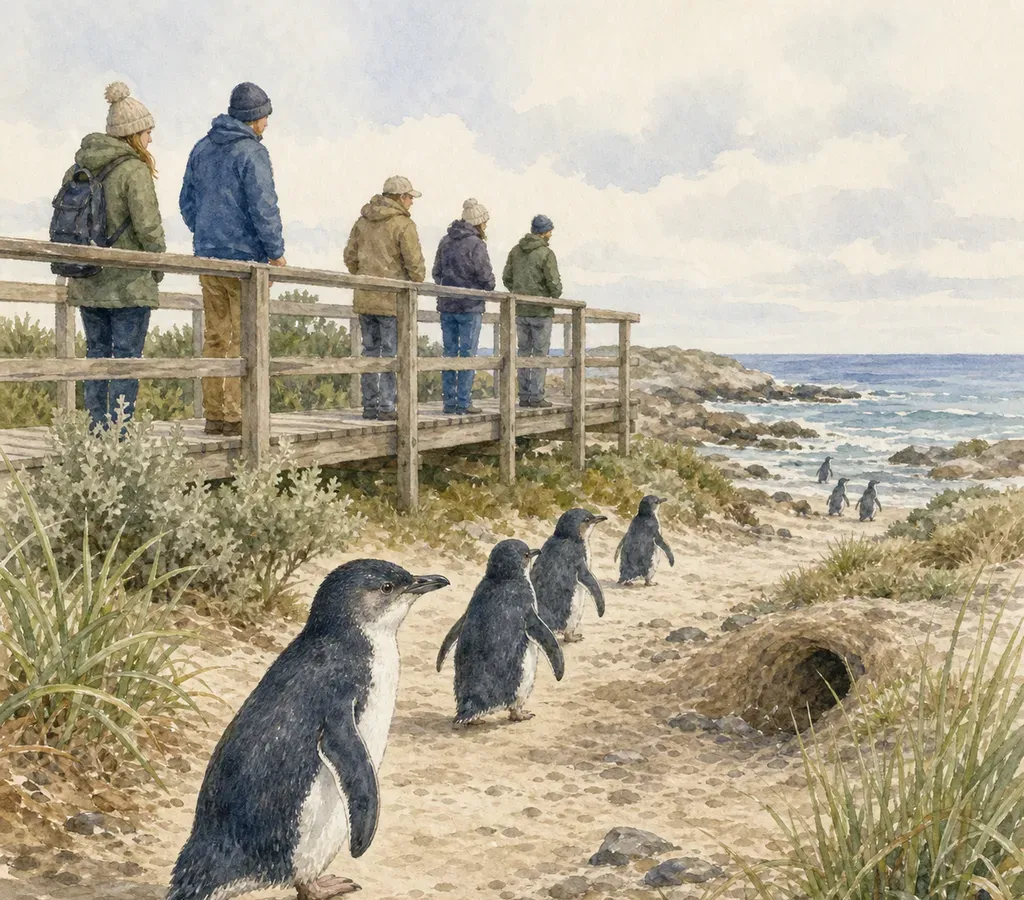
The usual question is how close you can get to a penguin.
The better question is whether the penguin has to change what it was doing because of you.
If it stops, turns away, delays landing, leaves a nest route, or hesitates at the waterline, the issue is no longer just distance. A good penguin encounter is not the closest one. It is the one where the bird can keep its own route.
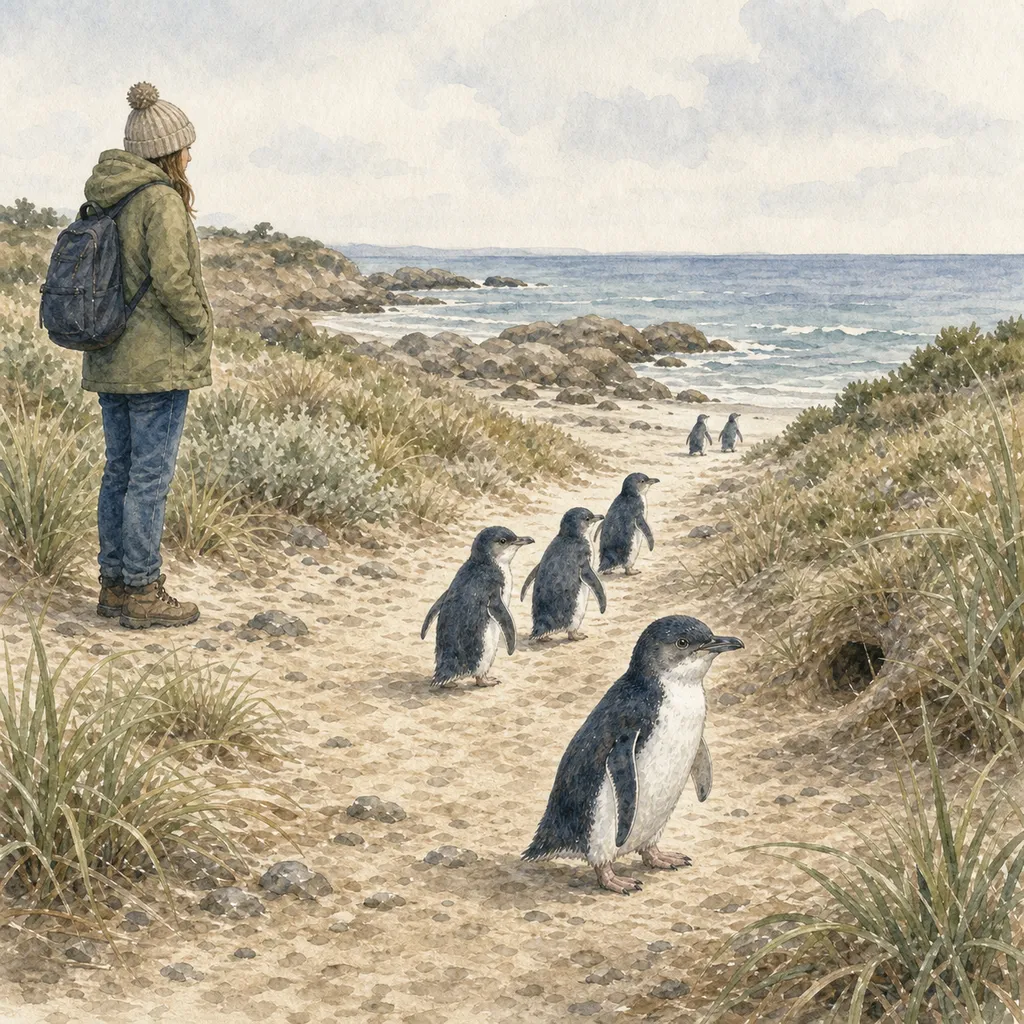
Four rules that travel well
Distances differ by country and protected area, but the logic is stable.
Do not touch or feed.
Penguins look round and harmless. Their beaks are not harmless, and their behavior should not be shaped around visitors. SANParks tells visitors at Boulders to stay on boardwalks and not touch or feed the penguins. Galapagos rules say the same thing in a different ecosystem.
Do not block routes.
A penguin is not walking for the audience. It may be returning from the sea, finding a nest, feeding a chick, avoiding a predator, or conserving energy during moult. IAATO bird-viewing guidance specifically warns visitors not to block penguin paths or water entry and exit points.
Keep the local distance.
In Antarctica, IAATO bird guidance commonly uses at least 5 metres for birds on land or ice. Galapagos rules commonly use at least 2 metres. At Bushy Beach in New Zealand, DOC asks visitors to stay at least 20 metres from marine wildlife and to keep off the beach during key hours. The numbers differ because the places differ.
Avoid flash, bright screens, and photo-chasing.
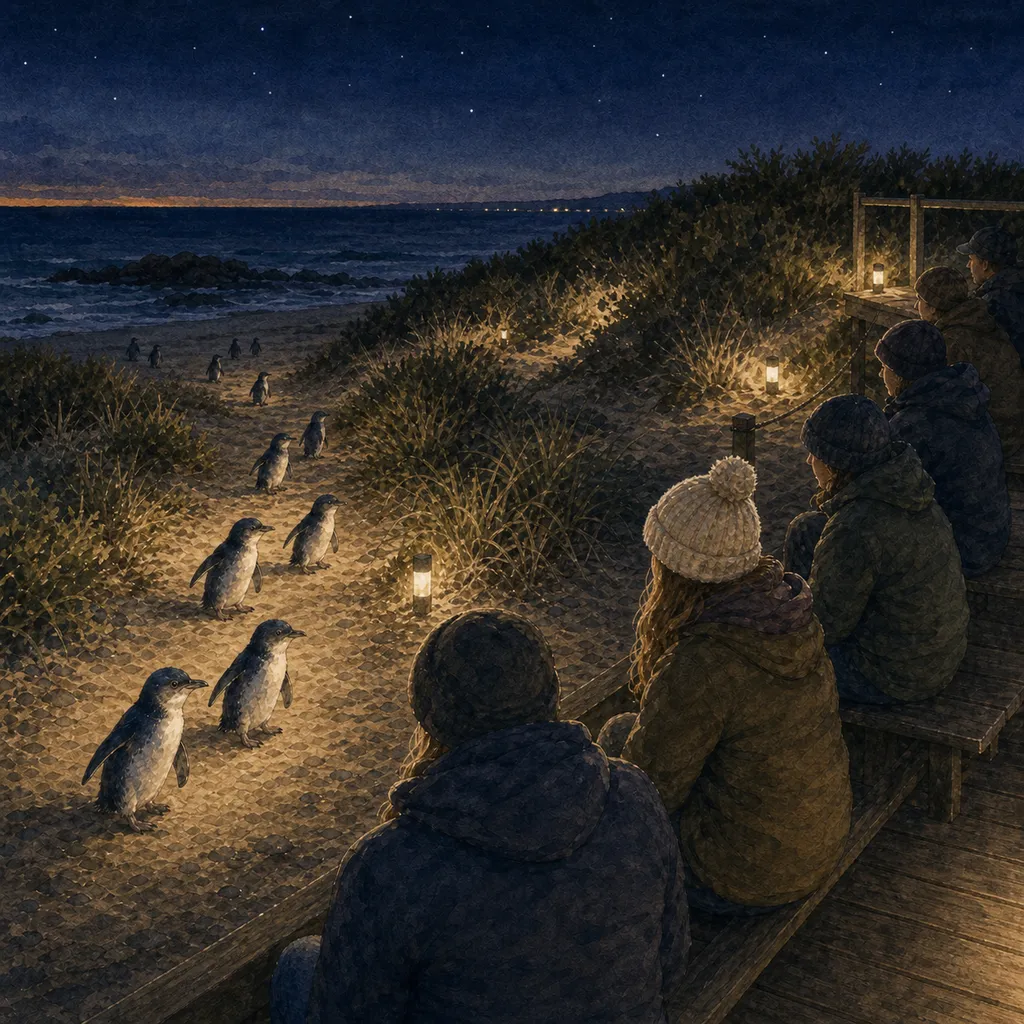
Phillip Island asks visitors not to take photos after sunset because accidental camera flashes affect little penguins. Oamaru bans cameras, filming devices, and bright screens during Evening Viewing. At night-return colonies, the route home matters more than the photo.
If a penguin approaches you
The hardest situation is often not a visitor running toward a penguin. It is a penguin walking toward a visitor.
Do not reach out. Do not lean in with a phone. Do not turn the moment into a selfie. Do not trap the bird between people.
Pause first. Check what is behind you. Then slowly give the bird space if you can.
IAATO’s principle is that curious penguins may approach, but people still need to maintain the required distance and be ready to back away safely. The point is not fear. The point is giving the choice back to the animal.
If you are on a boardwalk, platform, boat, or guided landing, follow staff instructions. The bird’s curiosity does not cancel the site rules.
Why some sites ban photos completely
Many travelers ask: what if I do not use flash?
At night-return colonies, flash is not the only problem. Bright screens, focusing lights, standing up to frame a shot, and a whole crowd lifting phones can all change the birds’ landing rhythm.
Phillip Island Penguin Parade and Oamaru Blue Penguin Colony are not banning photos to make the visit less fun. They are protecting a route used by very small birds returning in low light.
If a site says no photos, do not look for a loophole.
Use official media if you want to share the experience. It is better than turning the landing path into a camera line.
Treat drones as no unless permitted
Unless the official authority explicitly permits drone use, assume it is not allowed.
DOC says drone use on public conservation land requires authorization. The Falkland Islands Environment Department lists drones and wildlife as a separate guidance area. Aerial pressure is still pressure.
If you want a wide landscape image, use a legal viewpoint, official media, or a permitted operator.
How to choose an operator
Responsible trips usually do not sell closeness as the only prize.
Look for five things:
- The guide, vessel, or entrance is authorized by the relevant protected area.
- Wildlife distance, photography, drones, biosecurity, and closure rules are written clearly.
- Staff enforce rules before visitors break them.
- The operator accepts weather, sea state, disease risk, nesting, or moulting as reasons to change the plan.
- Money is tied to protected-area management, research, rescue, habitat work, or education, not just access.
Do not mix rules between places
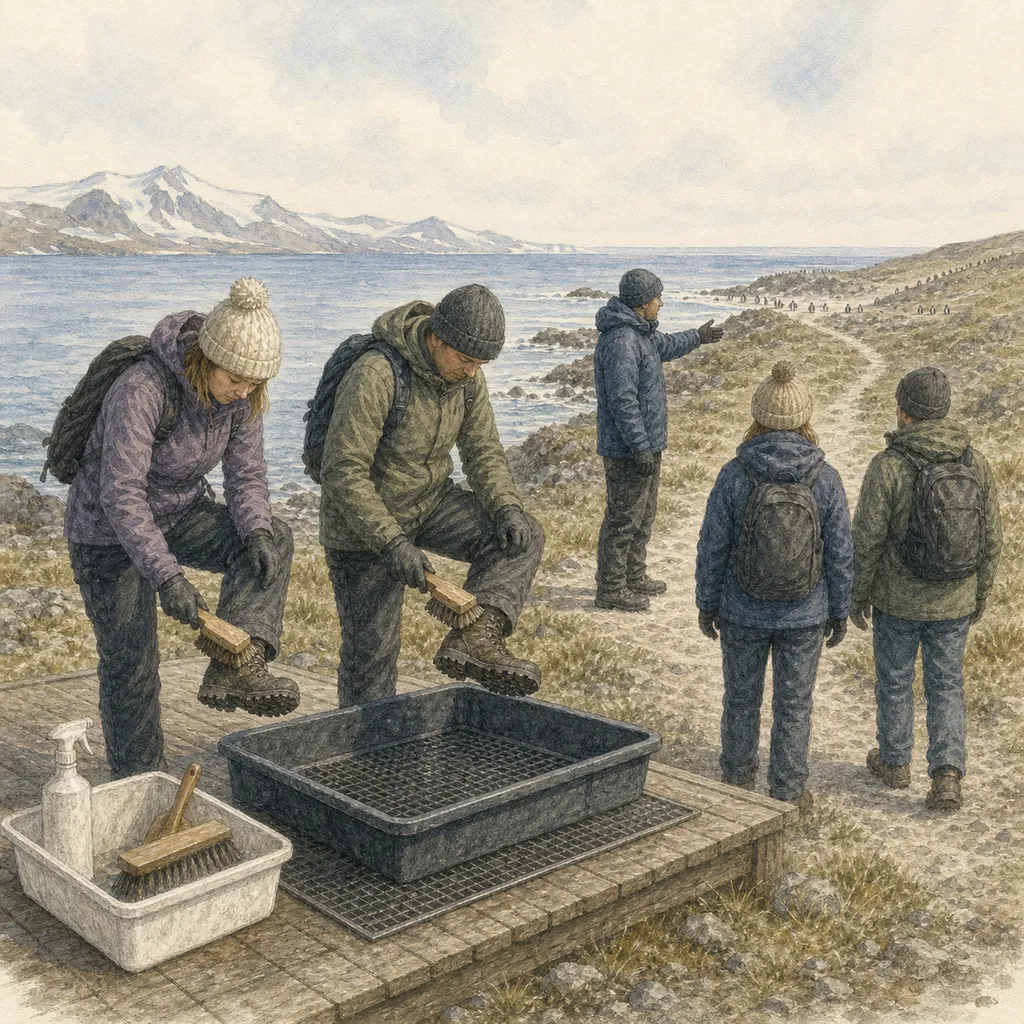
The Antarctic Peninsula, South Georgia, South Africa, Australia, New Zealand, Galapagos, and the Falklands can all be penguin trips. They are not the same management problem.
Antarctic Peninsula penguin colonies are shaped by weather, sea ice, IAATO, and Antarctic Treaty site rules. Boulders Beach is an urban-edge African penguin colony. Phillip Island protects a nightly little penguin route.
Do not take the distance from one site and demand that another site match it.
The conservative rule is simple: check the official page before you go, listen to local staff when you arrive, and choose the stricter rule when you are unsure.
If you are still choosing a destination, start with the best places to see penguins. If you are comparing wild sites with zoos and aquariums, use where to see penguins in zoos worldwide.
The real test
Touching a penguin is not proof of a good trip.
Getting the closest photo is not proof either.
The better test is whether the penguin still landed, nested, moulted, fed its chick, or returned to the sea as it would have without you.
If yes, that was a good penguin encounter.
References
- IAATO, During Your Visit.
- IAATO, Operational Procedures for Viewing Birds poster, 2025.
- SANParks, Boulders Penguin Colony.
- Dirección del Parque Nacional Galápagos, “Yo sí cumplo” visitor rules campaign.
- Charles Darwin Foundation, Galapagos National Park Rules.
- Phillip Island Nature Parks, Penguin Parade and Media and Filming.
- Ōamaru Penguins, Plan your visit.
- Department of Conservation New Zealand, Bushy Beach Scenic Reserve.
- Falkland Islands Government Environment Department, Guidance Documents.
FAQ
Can you touch penguins?
No. Official rules usually prohibit touching and feeding wildlife. If a penguin approaches you, stay calm, check behind you, and slowly give it space.
How far should you stay from penguins?
It depends on the site. IAATO bird guidance commonly uses at least 5 m in Antarctica; Galapagos guidance uses at least 2 m; New Zealand's Bushy Beach requires at least 20 m from marine wildlife. Follow the local rule.
Why do some penguin sites ban photography?
Night-return colonies are sensitive to flash, bright screens, movement, and photo-chasing. Phillip Island and Oamaru both restrict night photography or bright devices to protect little penguins.
What should I do if a penguin walks toward me?
Do not reach out, take a selfie, or block the route. Stay quiet, check your own footing, and slowly back away if needed.