Are Penguins Birds or Mammals?
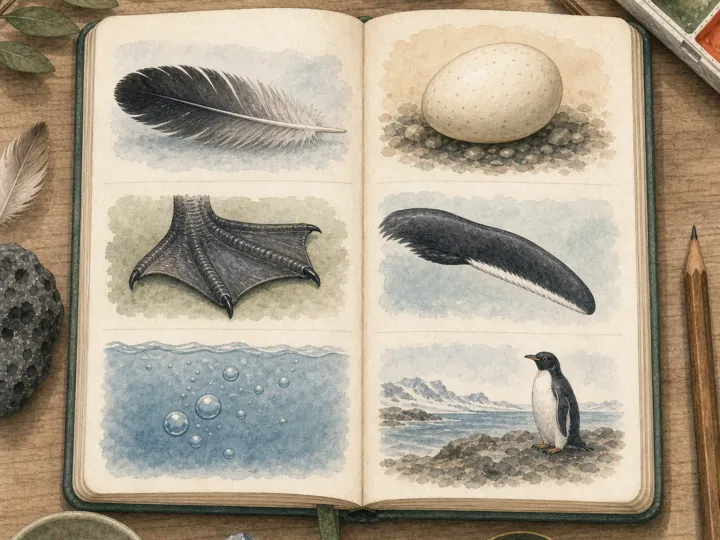
Penguins are birds. They have feathers, lay eggs, breathe air, and have wings that evolved into swimming flippers.

The penguin questions people ask most: do they bite, live in the Arctic, or make good pets? Short answers, no fluff.
Penguins are birds. They have feathers, lay eggs, breathe air, and have wings that evolved into swimming flippers.
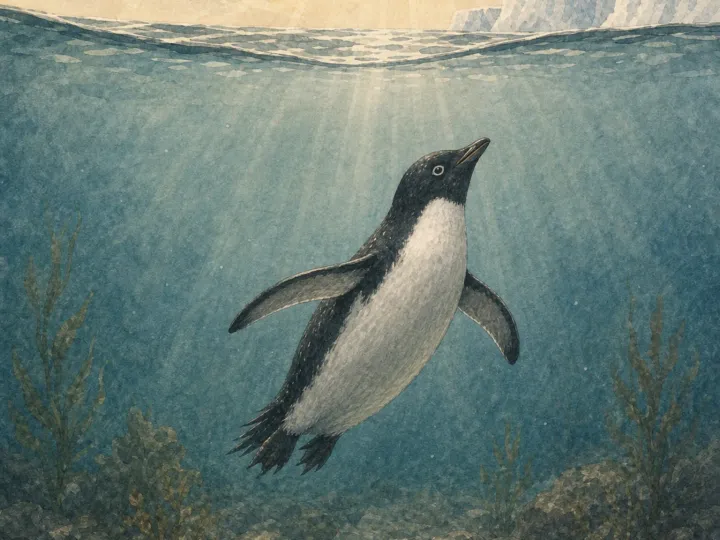
No. Penguins breathe air with lungs. They inhale before diving, rely on stored oxygen and oxygen-saving physiology underwater, then return to the surface to breathe.
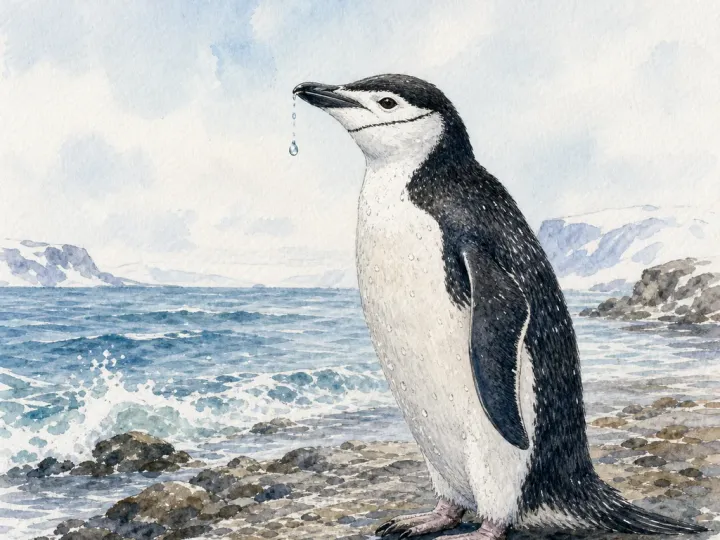
Yes, but they do not simply turn seawater into fresh water. Penguins take in salt from seawater and prey, then salt glands near the eyes concentrate the extra salt so it can drain along the beak or be shaken away.
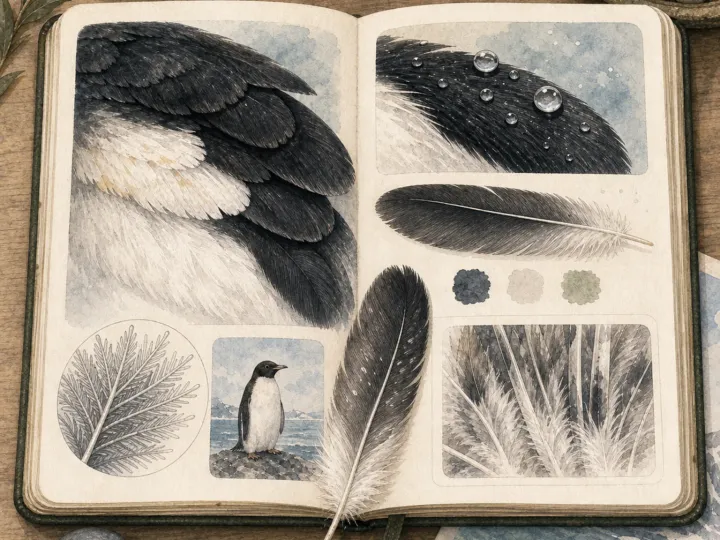
Penguins have feathers, not mammal fur. Their feathers are dense, help with insulation and waterproofing, and are replaced during moult.
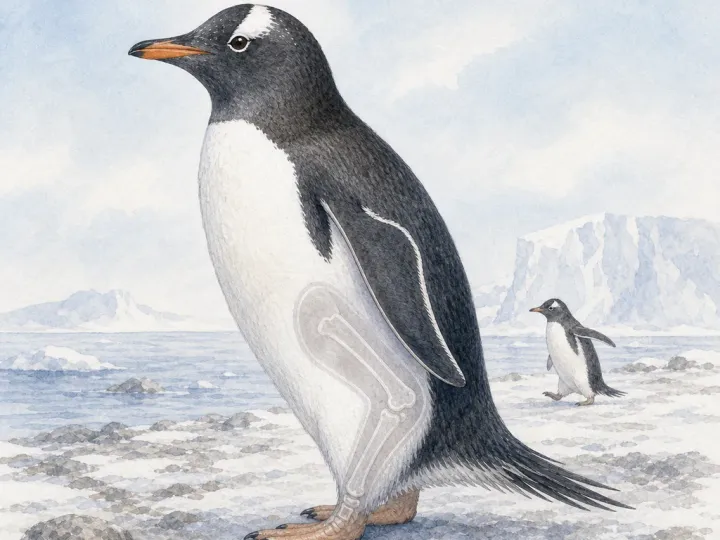
Yes. Penguins have knees, but most of the knee and upper leg are hidden inside the body outline and feathers. The bend you notice near the foot is closer to the ankle and foot, not a backwards knee.
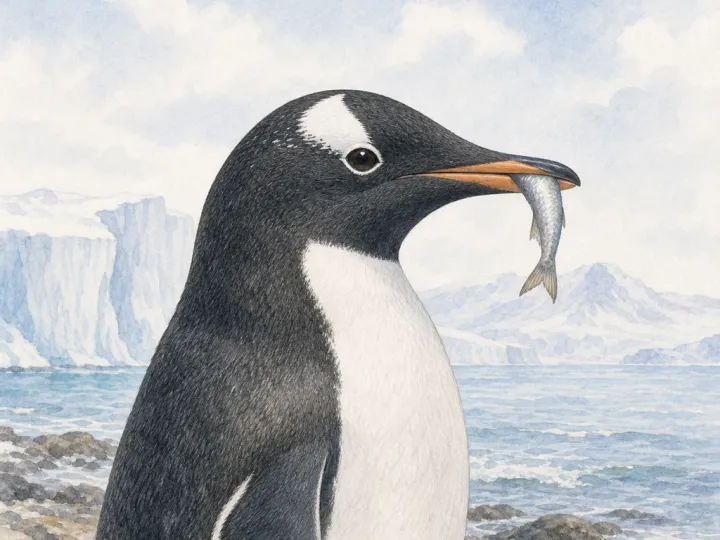
Penguins do not have true teeth. They use a hard beak and backward-pointing papillae inside the mouth and on the tongue to hold slippery fish, krill, and squid as food moves toward the throat.
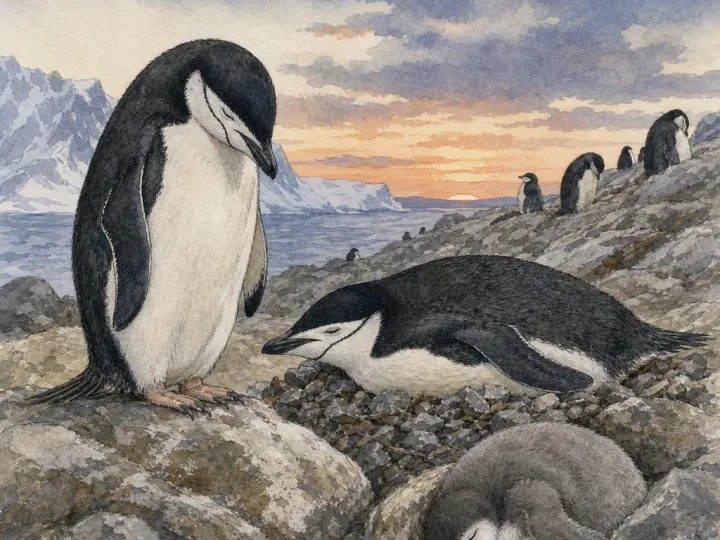
Penguins sleep in more than one way. They may rest standing, lying down, or near a nest or burrow. Nesting chinstrap penguins have also been recorded splitting sleep into many seconds-long microsleeps.
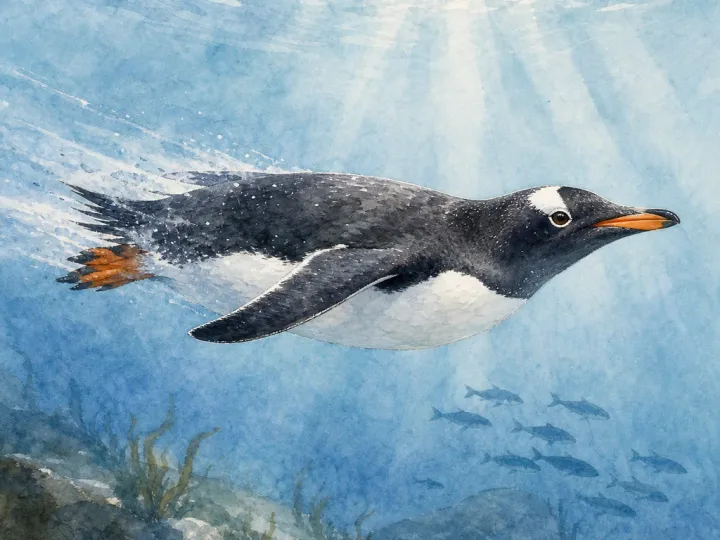
There is no single speed for all penguins. Many penguins cruise at a few to around ten kilometers per hour, while gentoo penguins are often listed as the fastest, with short bursts around 36 km/h.
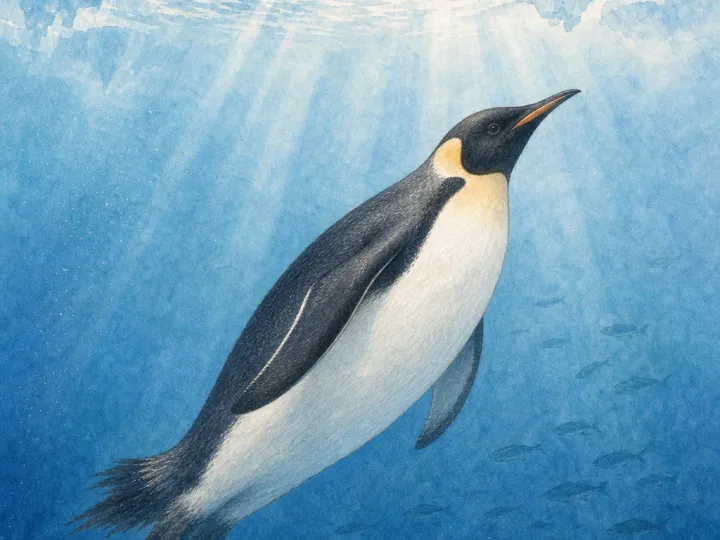
Most penguin dives last minutes. Emperor penguins are the deep-diving exception and can exceed 20 minutes in extreme records. Do not apply emperor penguin numbers to every species.
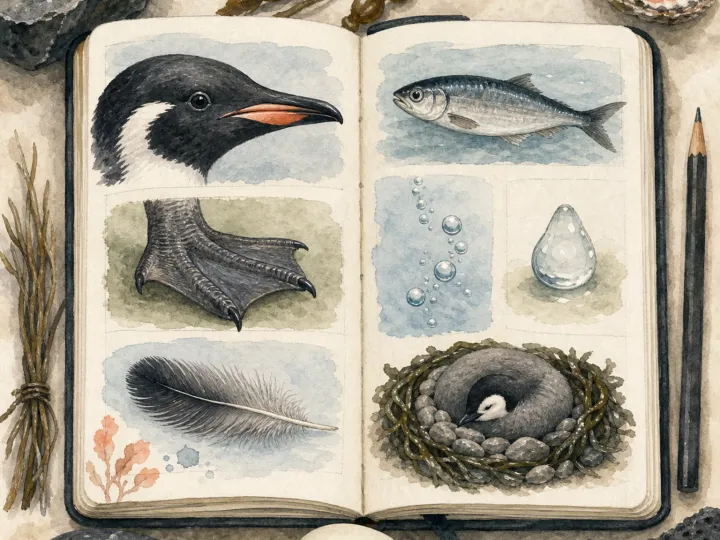
Penguins are Southern Hemisphere seabirds. They cannot fly in air, but they dive, eat fish and krill, use feathers for insulation, and return to land or sea ice to breed. They do not all live in Antarctica, and they should not be kept as pets.
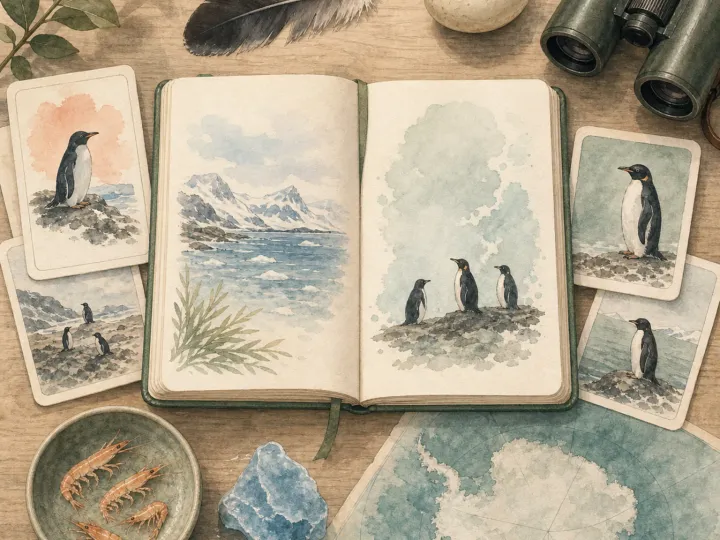
Penguins are seabirds that cannot fly in air but use their wings to swim underwater. Living penguins are found almost entirely in the Southern Hemisphere, from Antarctic sea ice to temperate islands and southern coasts; the Galapagos penguin is the equatorial exception, with part of its range reaching north of the equator.
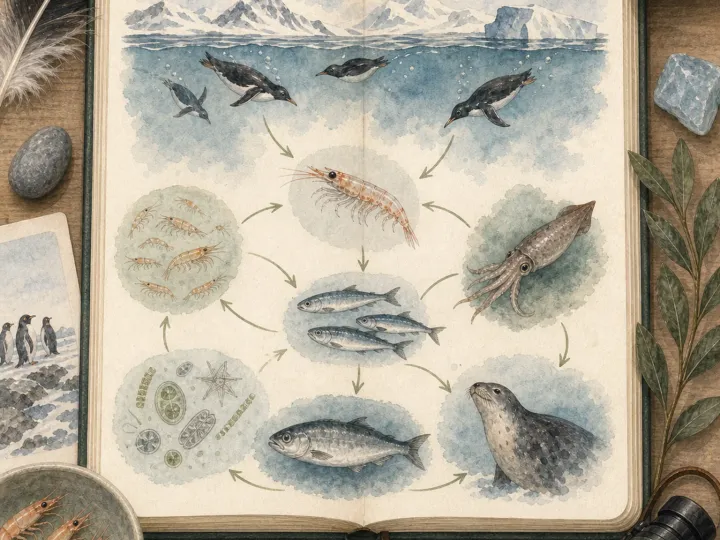
Penguins mostly eat small marine animals, including fish, krill, and squid. The exact diet changes by species, place, season, and prey availability.
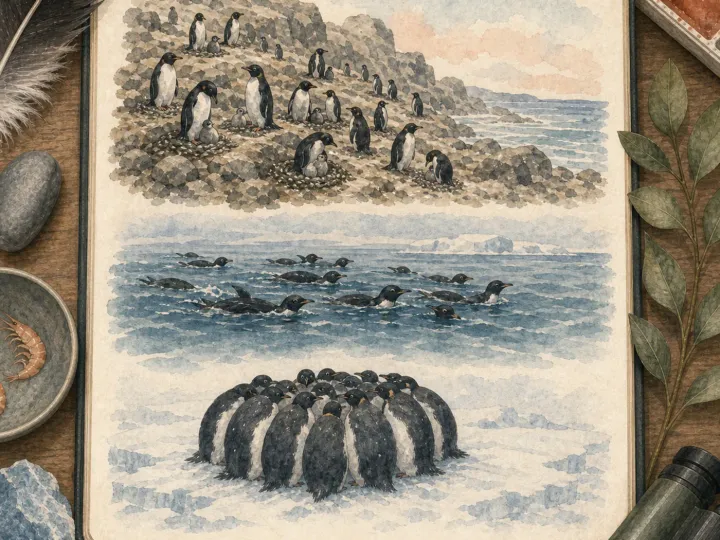
In everyday writing, 'a group of penguins' is fine. More specific terms include colony or rookery for breeding groups, raft for penguins in water, and huddle for tightly packed penguins keeping warm.
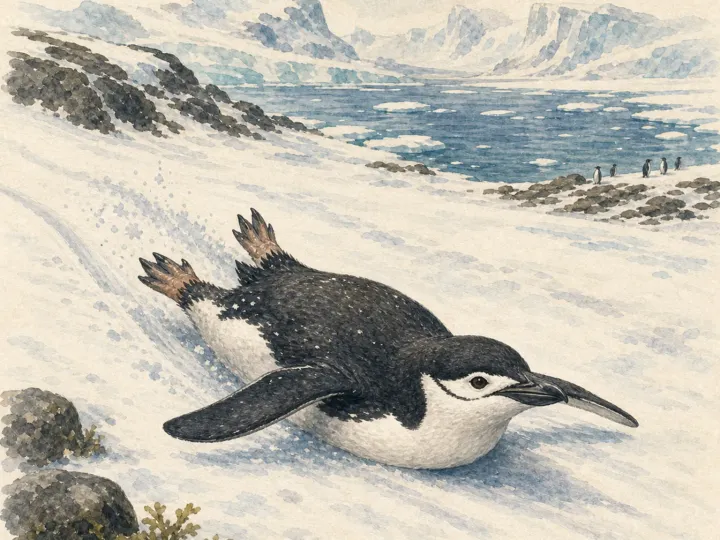
Penguins sliding on snow or ice is often called tobogganing. On suitable surfaces, it can help them move faster and may save energy compared with constant waddling.
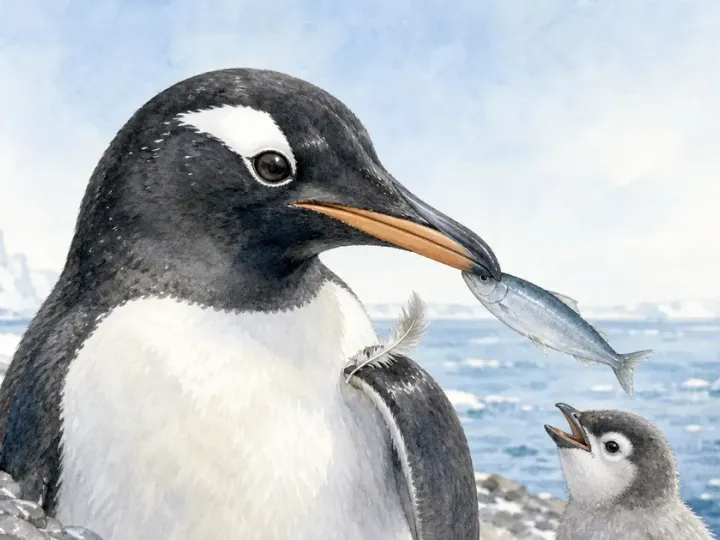
Penguins can bite, but biting is only one of the jobs their beaks do. Most of the time, the beak is catching fish, preening feathers, courting a mate, guarding eggs, feeding chicks, or giving a final defensive warning.
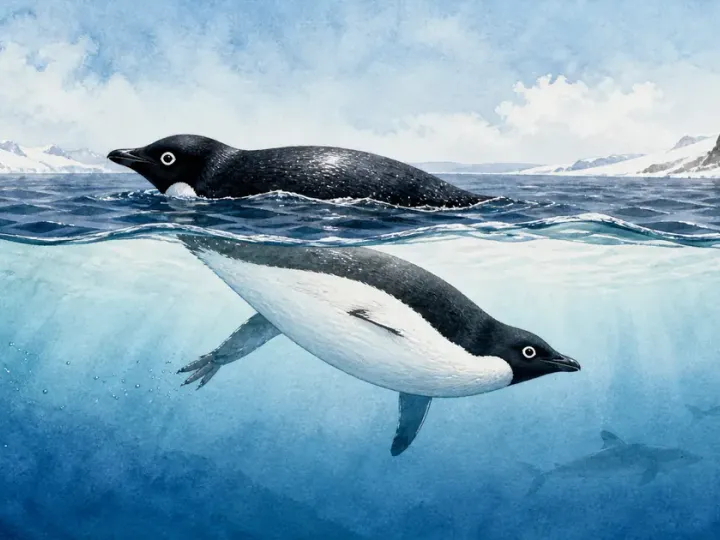
A penguin's black back and white belly are not fashion. They are counter-shading. From above, the dark back blends into deep water; from below, the pale belly blends toward surface light. Sharks, dolphins, and sperm whales use a similar trick.
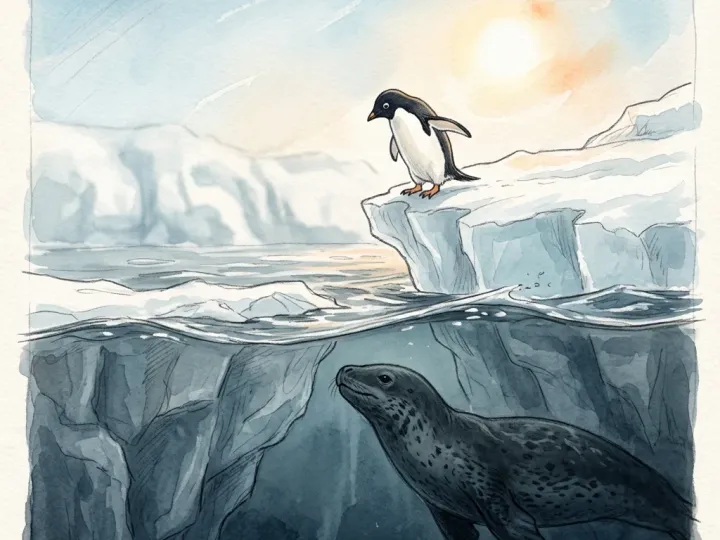
Penguin predators differ by place. Leopard seals, orcas, and sharks hunt at sea; skuas, giant petrels, foxes, feral cats, dogs, and rats may threaten eggs, chicks, or coastal colonies.
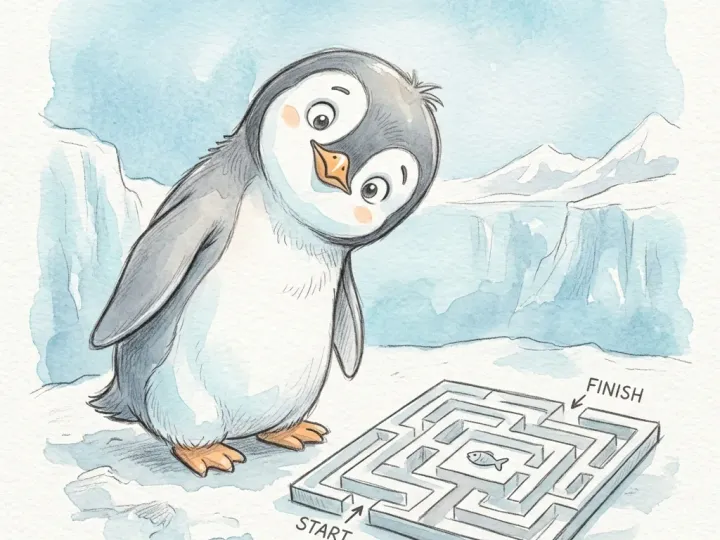
Penguin intelligence is practical rather than showy. They can navigate, recognize mates and chicks, remember nest sites, read sea conditions and predator risk, and choose safer moments to enter the water.
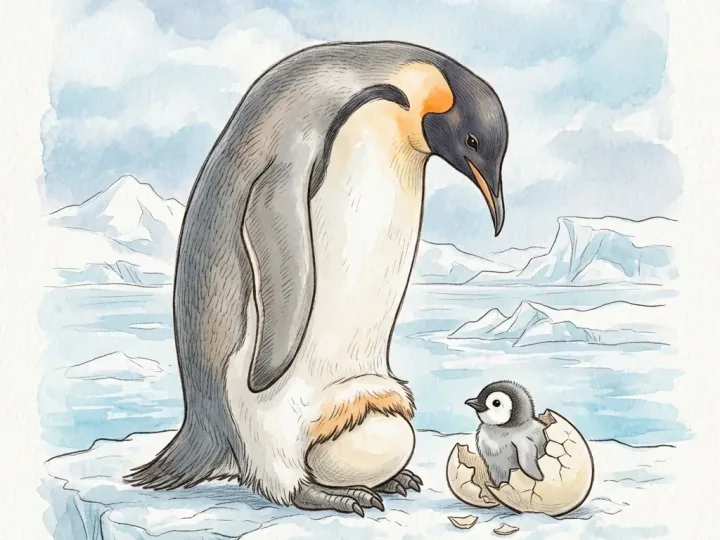
Many penguin parents raise young in shifts: one guards the egg or chick while the other goes to sea for food. They keep chicks warm, regurgitate meals, and in some species use creches as chicks grow.
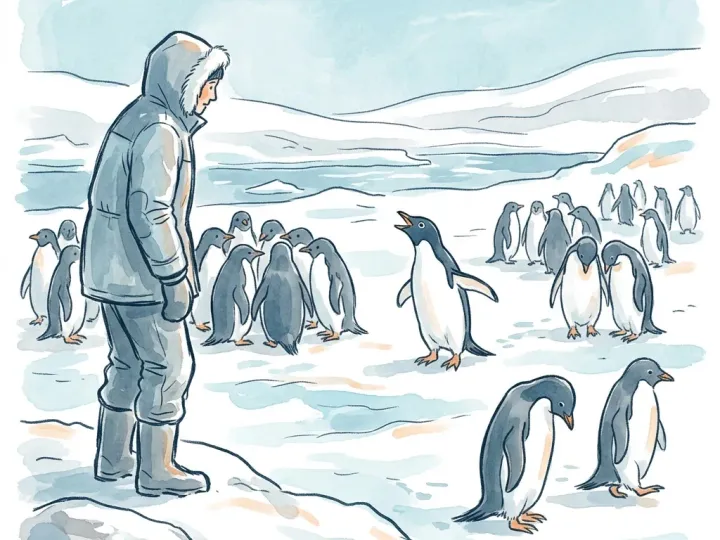
Penguins may distinguish familiar voices, footsteps, movements, or feeding routines, but that is not the same as dog- or cat-style owner recognition. It is more like remembering reliable keepers and safety cues.
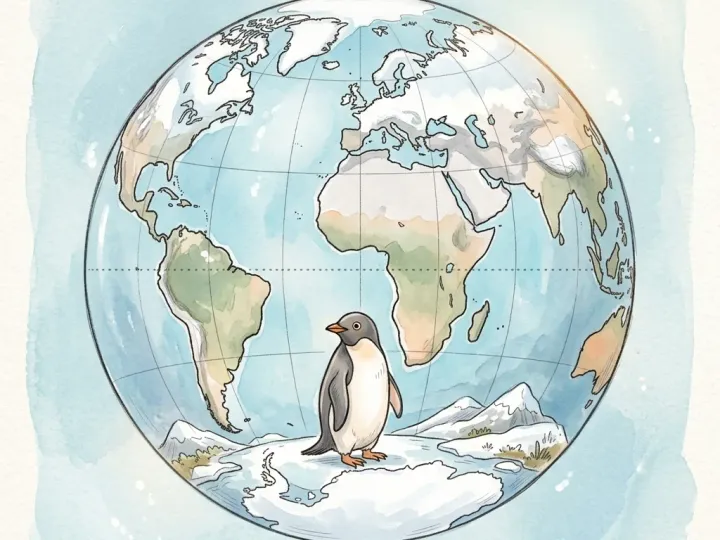
No wild penguins live at the North Pole. All living penguins are Southern Hemisphere birds, ranging from Antarctica to the Galapagos; Arctic black-and-white seabirds are usually puffins, auks, or the extinct great auk.
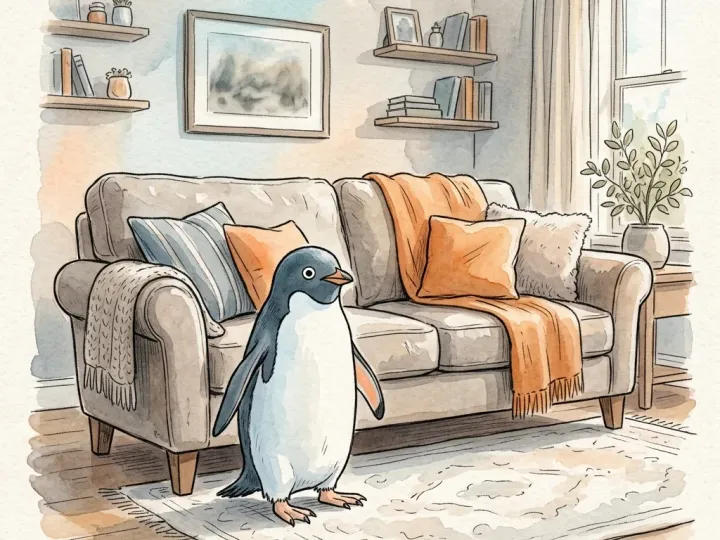
Almost certainly not, and you should not. Penguins are wild animals often protected by conservation law, and they need professional water systems, food supply, group care, veterinary support, and space.
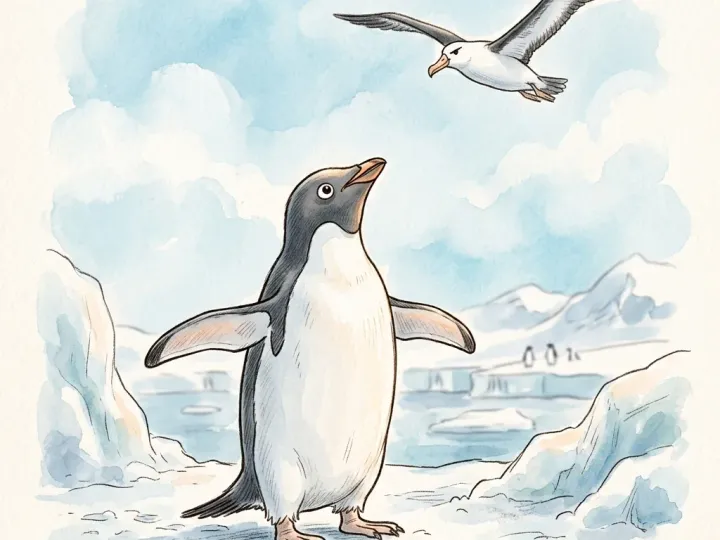
Penguins cannot fly because evolution traded flight for stronger swimming and diving. Their wings became stiff flippers, making the sky harder to use but turning the ocean into their main arena.
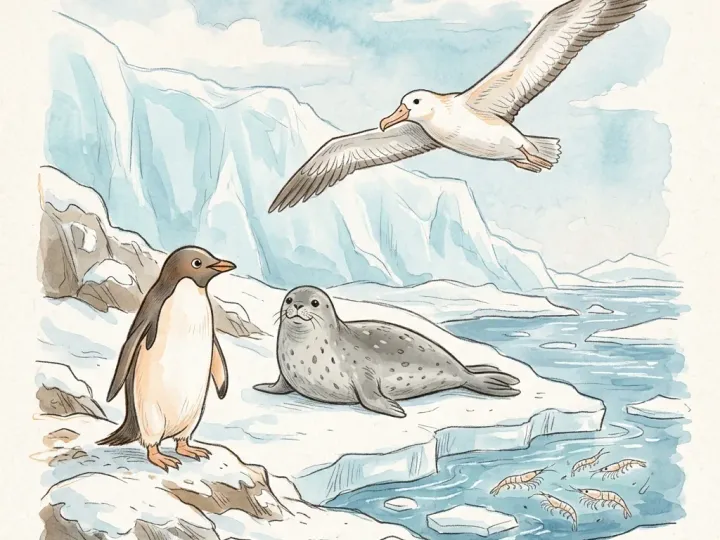
No. Antarctica has much more than penguins: seals, whales, seabirds, krill, fish, squid, and plankton all share the system. Penguins are just one memorable part of a wider Antarctic food web.
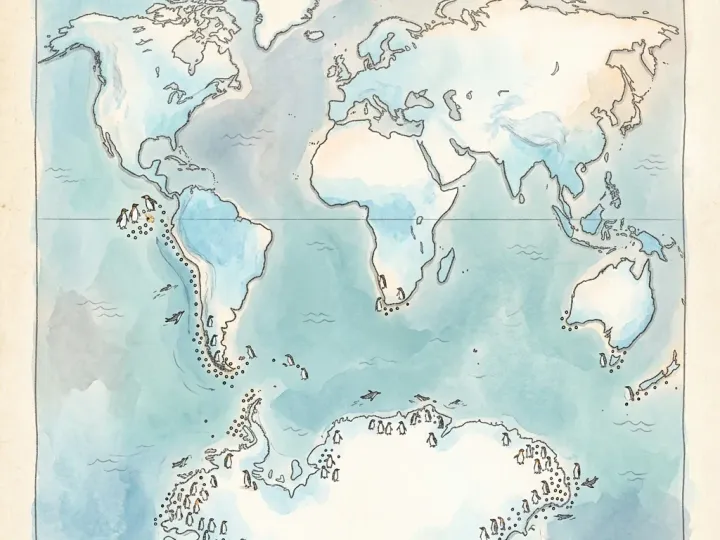
Penguins live in the Southern Hemisphere, from Antarctica to South America, South Africa, Australia, New Zealand, and even near the equator. They depend on ocean food and breeding sites, not just ice.
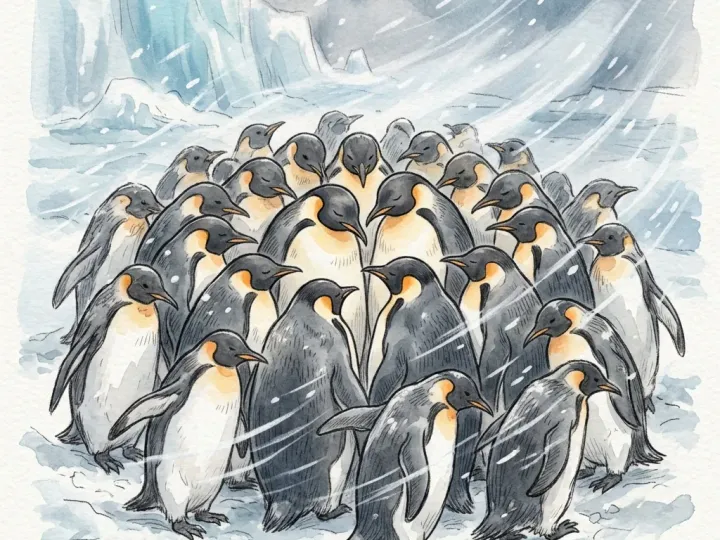
Whether penguins get cold depends on the species. Emperor penguins are built for Antarctic cold, but African and Galapagos penguins often deal more with overheating, hard sun, and water stress than with freezing.