Antarctic penguins cannot be understood from one postcard.
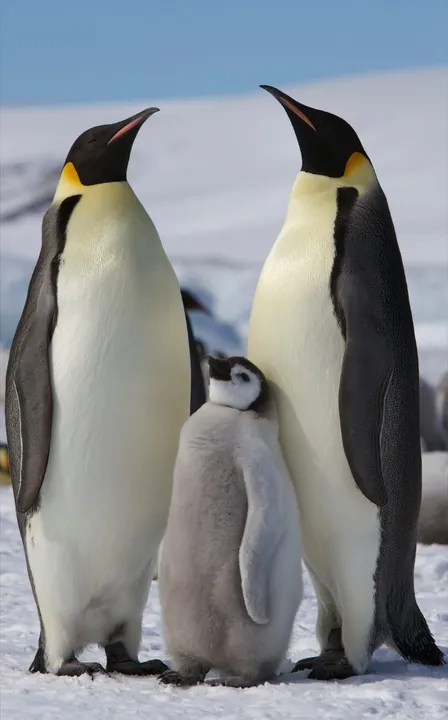
If the image is a row of emperor penguins standing on sea ice, that is the extreme winter version of Antarctica.
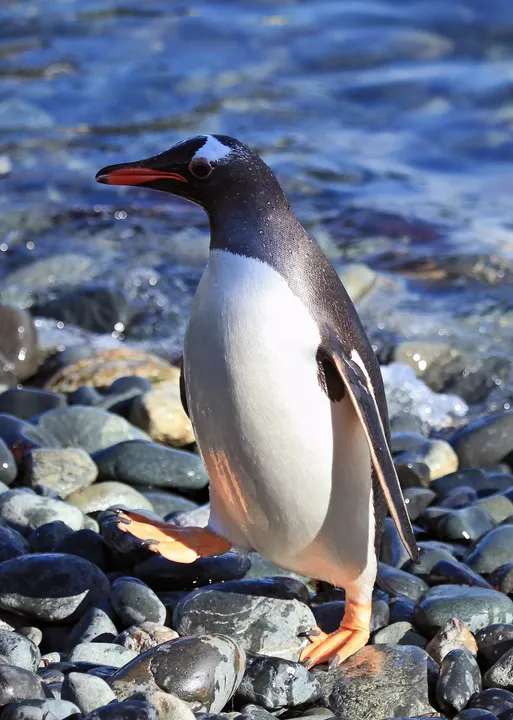
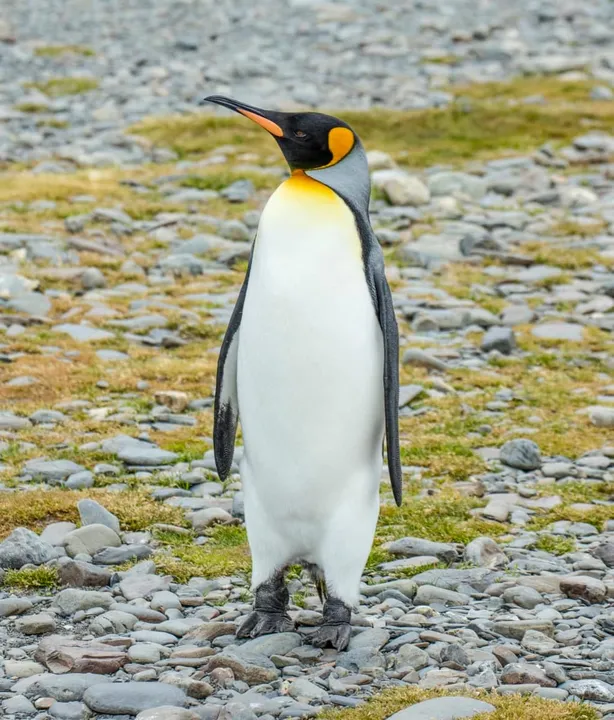
If the image is summer visitors landing while gentoo penguins cross snowy paths, that is probably the Antarctic Peninsula. If the image becomes hundreds of thousands of king penguins on black sand, the place may already be South Georgia.
Which species live in this wider region
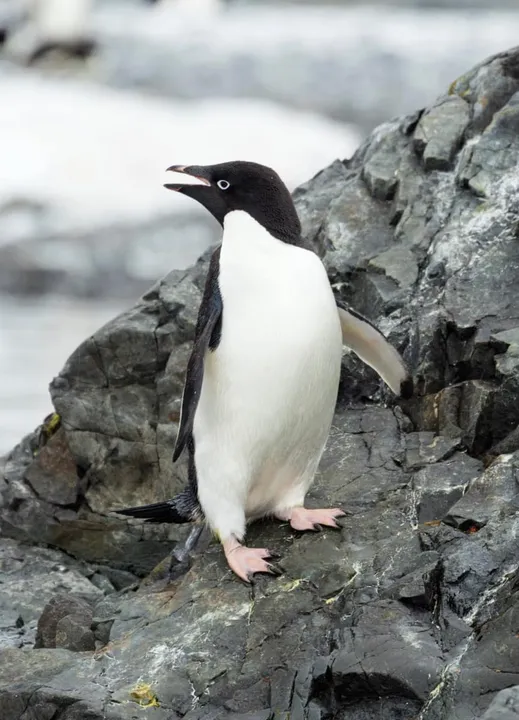
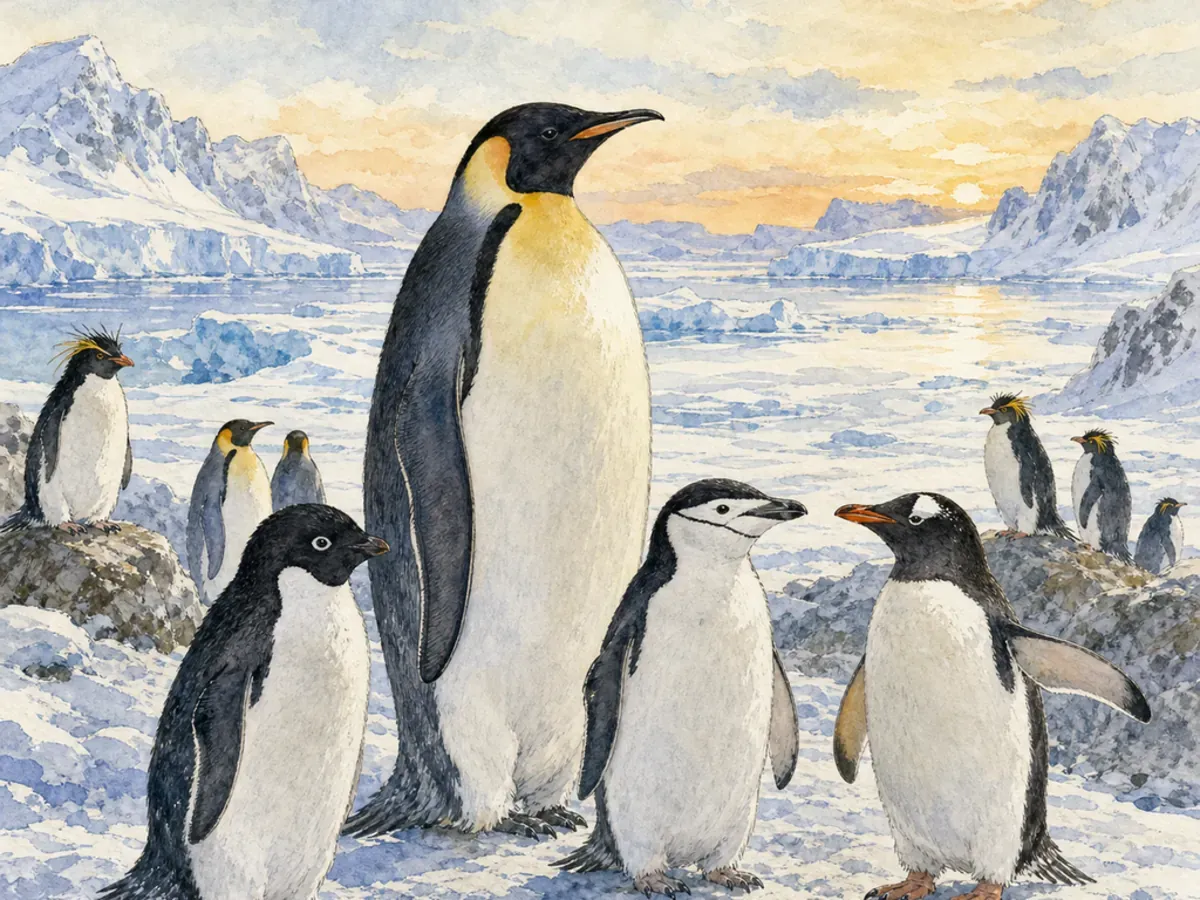
The most representative penguins of the Antarctic continent and nearshore sea ice are emperor penguins and Adélie penguins. Emperor penguins place their breeding season on winter sea ice, while Adélie penguins are strongly tied to sea ice and Antarctic summer nesting areas.
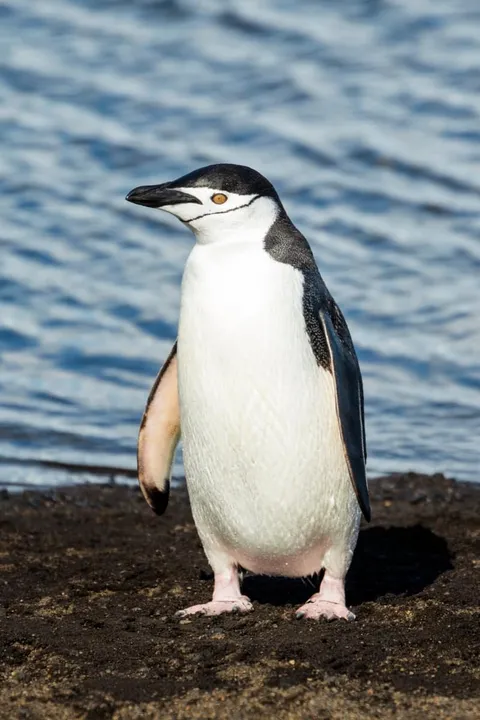
On the Antarctic Peninsula, gentoo penguins, chinstrap penguins, and Adélie penguins are common. Recent peninsula warming and sea-ice change have pushed their distributions and breeding success in different directions.
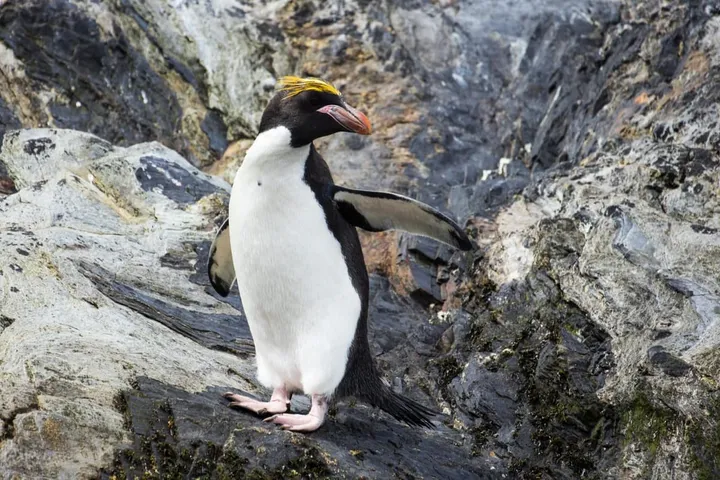
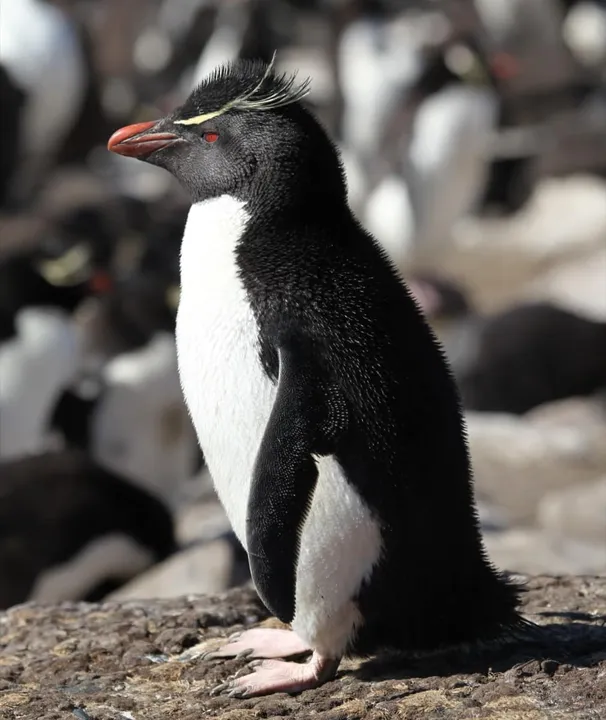
Sub-Antarctic islands bring king penguins, macaroni penguins, and some southern rockhopper penguins into the popular idea of “Antarctic travel.” Strictly speaking, South Georgia is not the Antarctic continent, but many expedition itineraries put them together.
How to separate this for travel
If you want to see the three common Antarctic Peninsula penguins, the core page is Antarctic Peninsula Penguin Colonies. These trips usually depart from Ushuaia, or fly from Punta Arenas to King George Island and connect to a ship. Landing sites are decided together by IAATO, Antarctic Treaty Site Guidelines, weather, and the ship team’s judgment.
If you want the large-scale king penguin scene, the core page is South Georgia King Penguin Megacolonies. The scale is different from the peninsula, the voyage is usually longer, and sea conditions matter even more.
Research stations and travel are different things
Much Antarctic penguin information comes from research stations, satellites, and long-term study plots. Names such as Halley, Rothera, and McMurdo often appear in news and papers, but they are not sights ordinary travelers can add to an itinerary.
The value of research stations is long-term baseline data.
Emperor penguin sea-ice failures, regional change in Adélie penguins, and gentoo expansion on the peninsula all require years of observation before a direction becomes visible. A tourist ship sees one summer; research data sees the line after many years.
These two viewpoints need to stay separate.
What travelers can do is bring research results into itinerary judgment.
Data and threats
The site’s species data currently lists emperor penguins as Endangered, with about 228,000 mature individuals and a decreasing trend. Adélie penguins remain LC, with more than 10 million mature individuals, but regional differences are large.
Chinstrap penguins have about 8 million mature individuals and a decreasing trend. Gentoo penguins are expanding in some peninsula areas, so “all Antarctic penguins are declining” is too blunt.
The pressures are layered too. Emperor penguins are most exposed to the loss of stable sea ice. Chinstrap and Adélie penguins are tied to both krill and sea ice. Gentoo penguins can switch food more flexibly and push south. South Georgia’s king penguins are tied to ocean fronts, fish prey, and a long breeding cycle.
To split the background properly, start with the Antarctic food chain, climate change and penguins, and H5N1 risk in Antarctica. Sea ice, krill, and disease are different issues, but they overlap on the same Antarctic trip.
When to go
The main travel season is November to March. November brings more snow, courtship, and nest building; December to January are incubation and small chicks; after February, chicks are larger and moulting and pre-sea disorder increase.
The real limits are weather and rules. Antarctica is not entered by ticket alone; permits, ships, boot disinfection, and distance rules are what keep the visitor system working.
Seeing penguins does not mean being able to approach penguins. That line is clearer in Antarctica than almost anywhere else.
FAQ
Which penguins live in Antarctica?
The Antarctic continent and nearshore sea ice are represented by emperor and Adélie penguins. The peninsula commonly has gentoo, chinstrap, and Adélie penguins, while sub-Antarctic itineraries often add king and macaroni penguins.
Where do most travelers see penguins in Antarctica?
Most visitor itineraries focus on the Antarctic Peninsula. Large king penguin scenes usually require adding South Georgia to a longer voyage, and actual landing sites still depend on IAATO, weather, site rules, and ship judgment.
When is the best season to see Antarctic penguins?
The main travel season runs from November to March. November brings courtship and nest building, December to January bring eggs and small chicks, and February onward brings larger chicks, moulting, and pre-sea disorder.