Area 48 Krill Fishing and Penguins: Why Local Overlap Matters
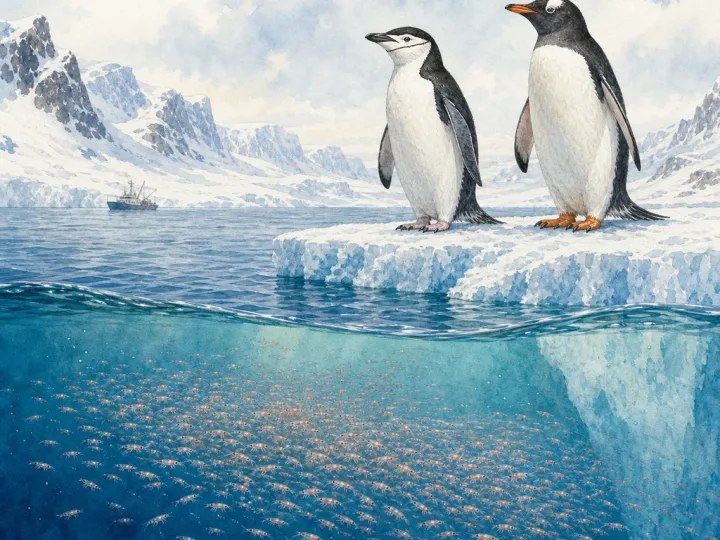
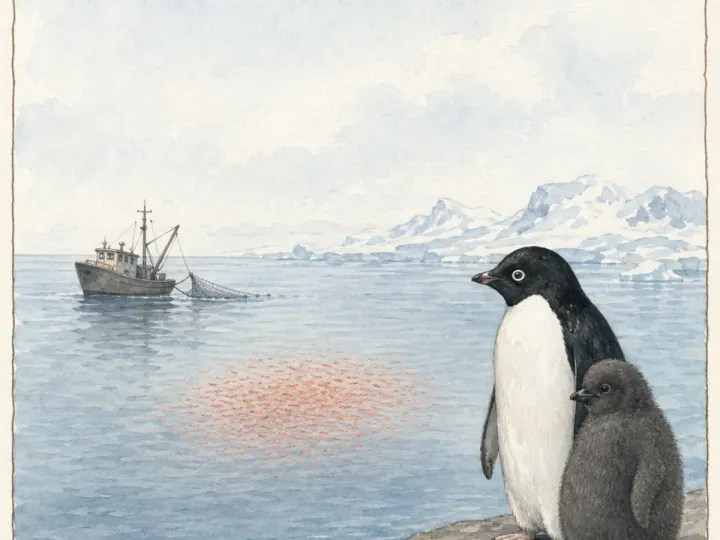
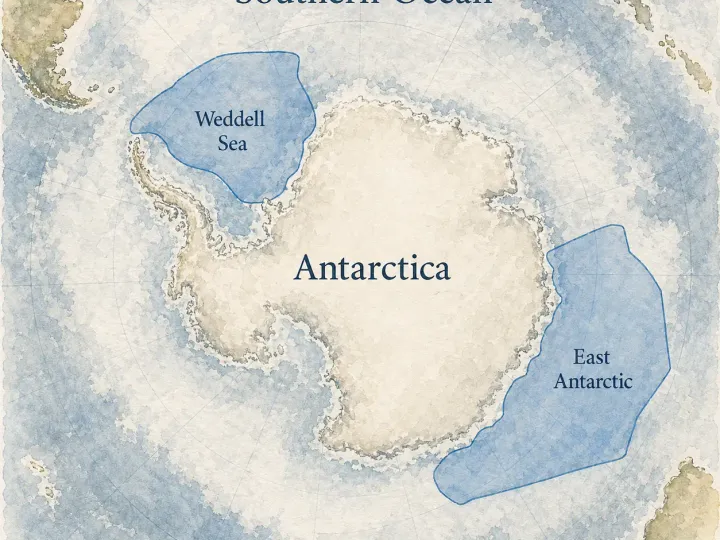
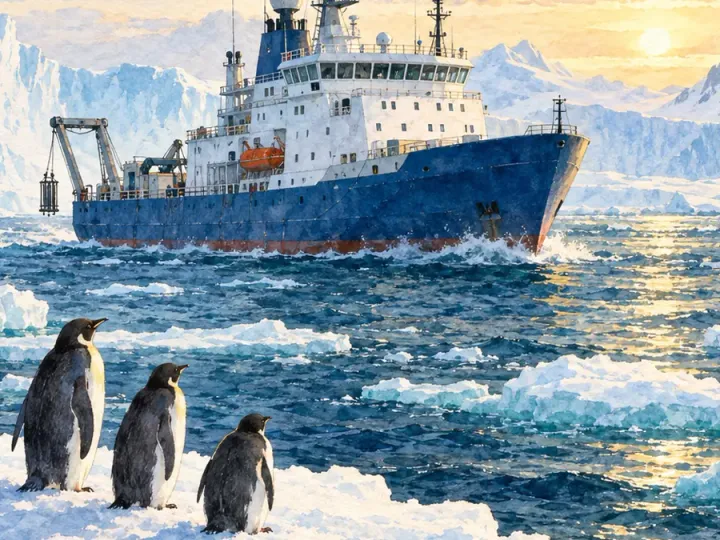
In Area 48, the ecological risk of Antarctic krill fishing often sits in place and chick-rearing season; a conservative total catch can still overlap with penguin feeding areas.
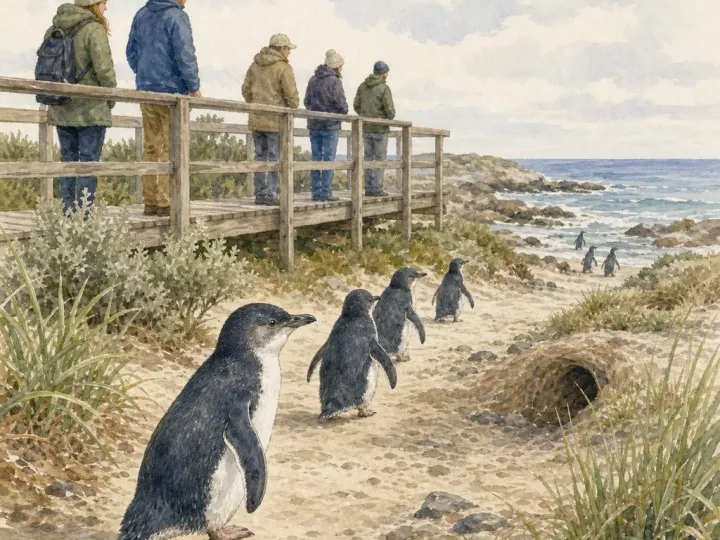
A good penguin encounter is not the closest one. It is the one where the bird does not need to change its route.
The Antarctic Treaty Consultative Meeting closed in Hiroshima on May 21, 2026. A proposal to give emperor penguins special protected status failed again after China and Russia objected.
Krill oil pressure is about where fishing concentrates: Antarctic Peninsula hotspots overlap chick-rearing foraging areas, while health benefits do not clearly beat alternatives.
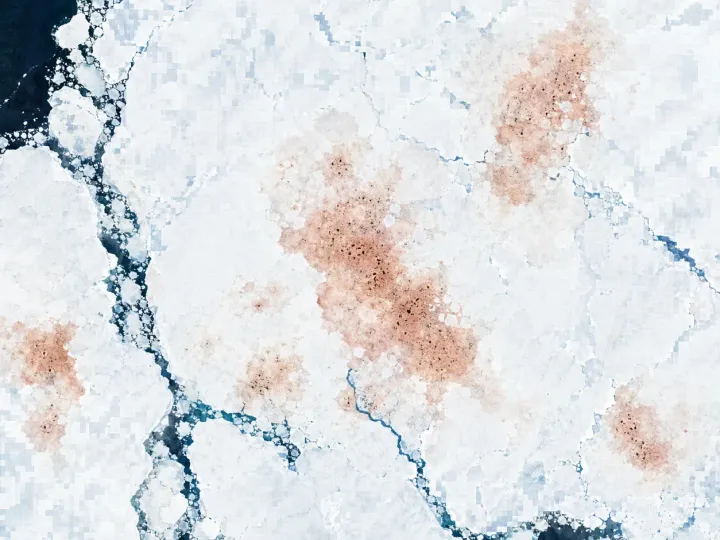
Satellites find emperor penguin colonies by reading guano stains on white sea ice, turning brown pixels into maps of breeding sites and sea-ice risk.
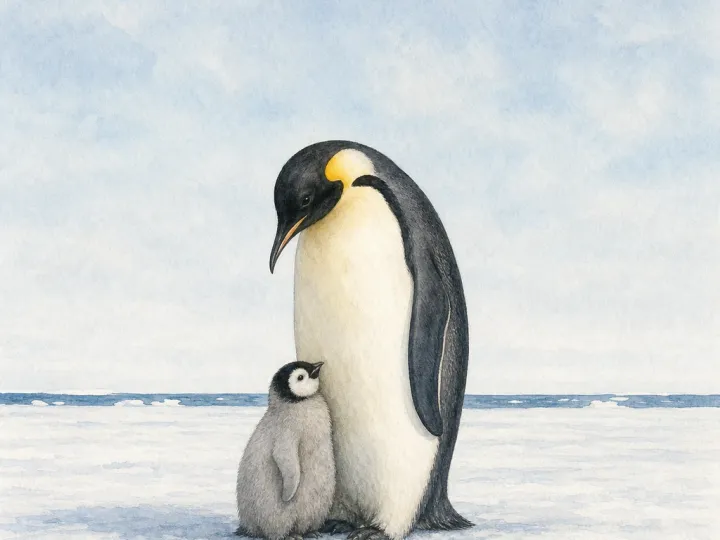
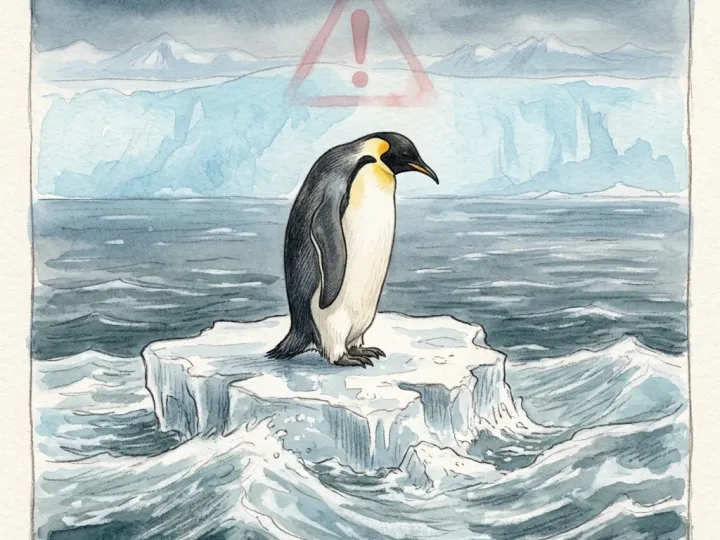
The International Union for Conservation of Nature (IUCN) Red List moved emperor penguins to Endangered in April 2026 because unstable Antarctic sea ice puts chicks at risk before waterproof feathers grow.
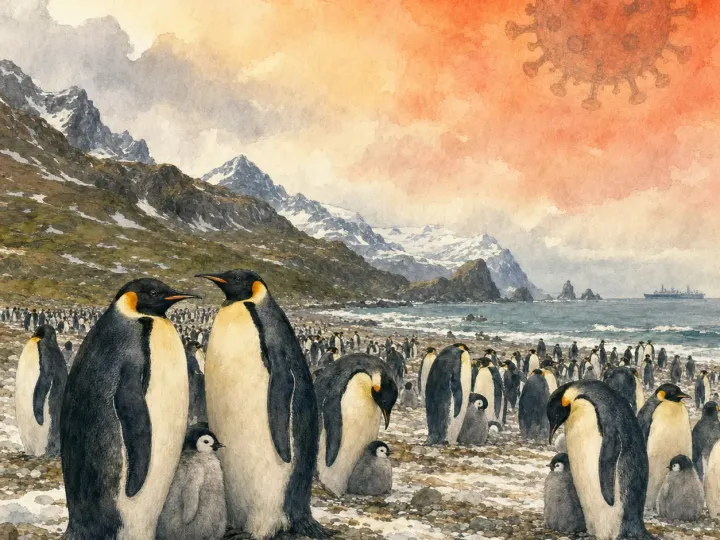
H5N1 has moved from South Georgia to the Antarctic Peninsula, where dense colonies, little immune history, and migrating seabirds create a new disease risk.
Almost certainly not, and you should not. Penguins are wild animals often protected by conservation law, and they need professional water systems, food supply, group care, veterinary support, and space.
Southern Ocean MPA gridlock is not a lack of science; it is CCAMLR consensus politics colliding with krill fishing and penguin foraging grounds.
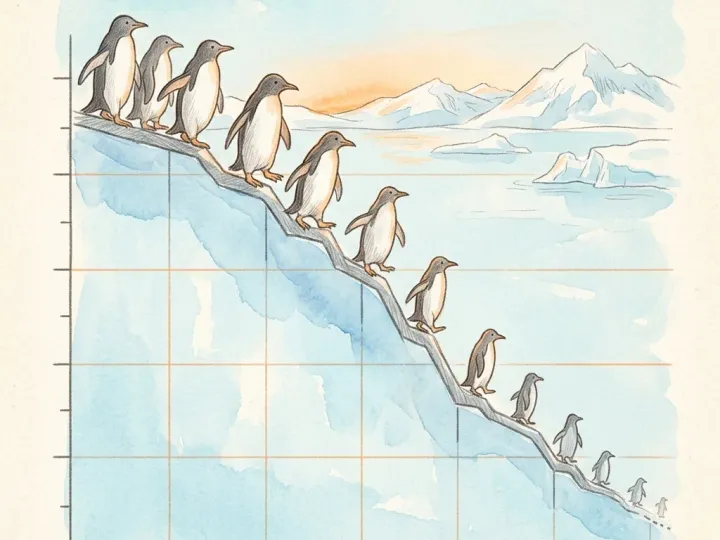
A 2025 Communications Earth & Environment study by Fretwell et al. found emperor penguin populations fell 22% from 2009 to 2023, faster than high-emissions model projections.
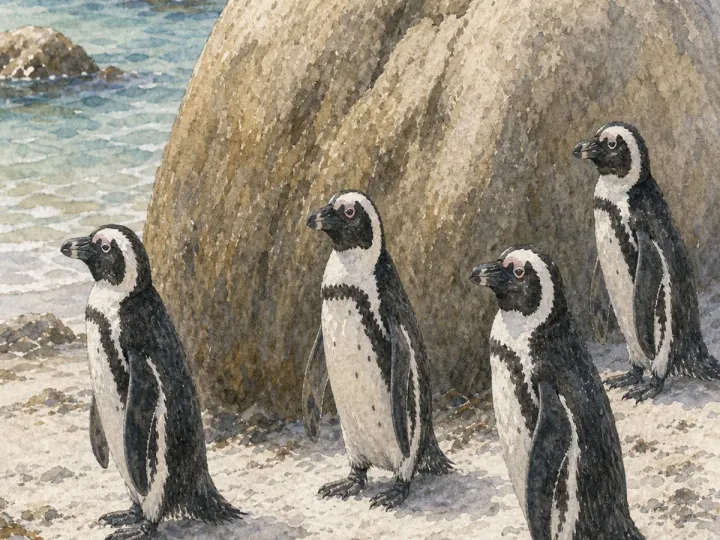
The IUCN Red List uplisted the African penguin to Critically Endangered in October 2024, making it the first penguin species ever recorded in the CR category.