In October 2024, the Commission for the Conservation of Antarctic Marine Living Resources (CCAMLR) held its 43rd annual meeting in Hobart, Australia.
The Weddell Sea MPA proposal failed again. It has been stuck at the same meeting table for years.
Everyone knows what is happening in the waters off the Antarctic Peninsula. So why is there still no protected area?
One consensus system, 26 votes
CCAMLR has 26 members: 25 sovereign states plus the European Union. In that Hobart meeting room, national nameplates sit around a long table. It works by consensus. If any party does not nod, the proposal does not pass.
This design had its logic when the convention entered into force in 1982. Antarctica has no single sovereign power, and bringing every important actor into the room made consensus the least costly structure.
The cost is this: if one party does not want something to pass, it will not pass.
In 2016, CCAMLR approved the Ross Sea MPA, about 1.55 million square kilometers and the largest in the world. That coordination took more than 10 years, and China and Russia eventually supported it. Media called it a conservation milestone. What was less often said: it passed after the proposal was reduced and fishery exemptions were added.
In Hobart in 2024, the Scientific Committee report gave the Weddell Sea proposal a positive assessment. Science stood with the proposal. The vote did not.
Three proposals, one deadlock
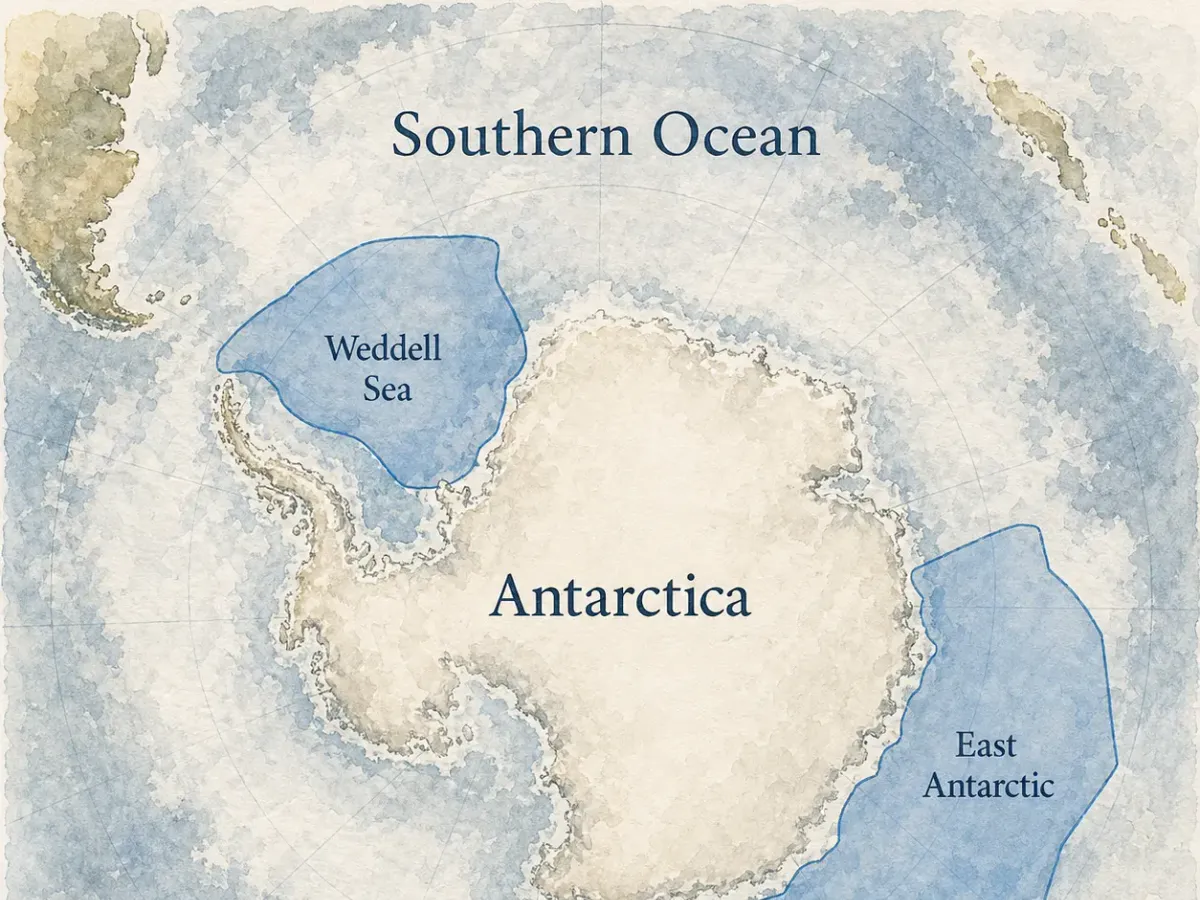
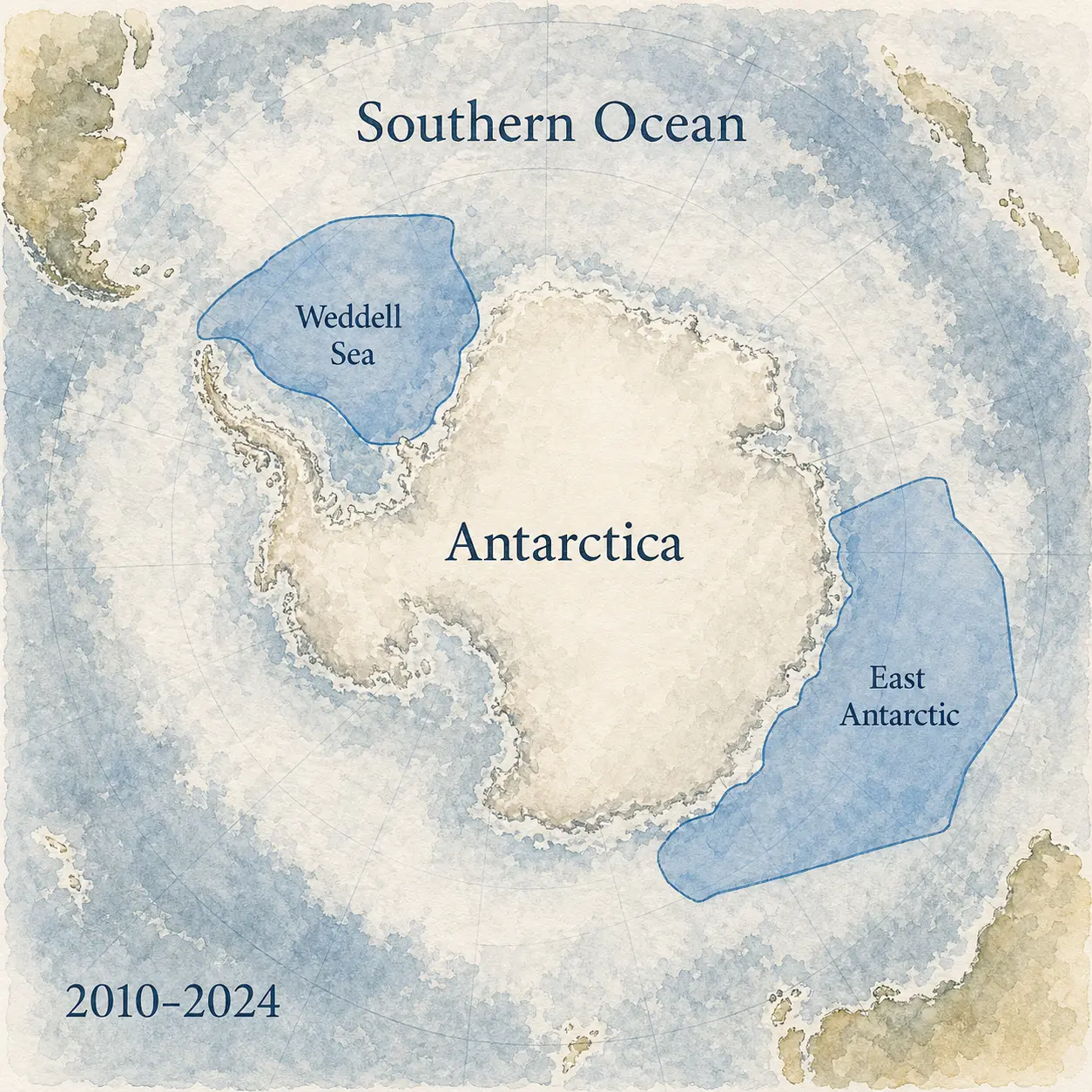
The Southern Ocean MPA network plan currently has three blocks under review:
The East Antarctic MPA proposal has been discussed since 2010. Australia and the EU proposed it jointly, covering the East Antarctic continental shelf. It has been pushed through more than ten revisions, and the current proposed area is far smaller than the original.
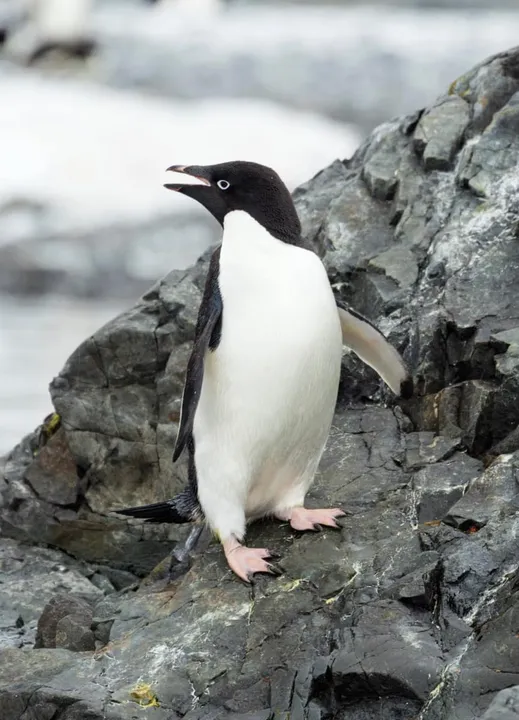
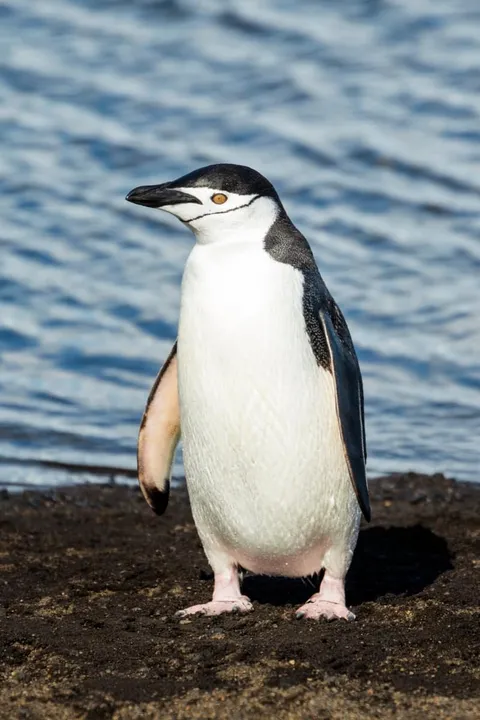
The Weddell Sea MPA proposal is led by the EU and spans much of the Weddell Sea, an important wintering area for Adelie and chinstrap penguins. Scientific assessments clearly support it. What blocks it is political position.
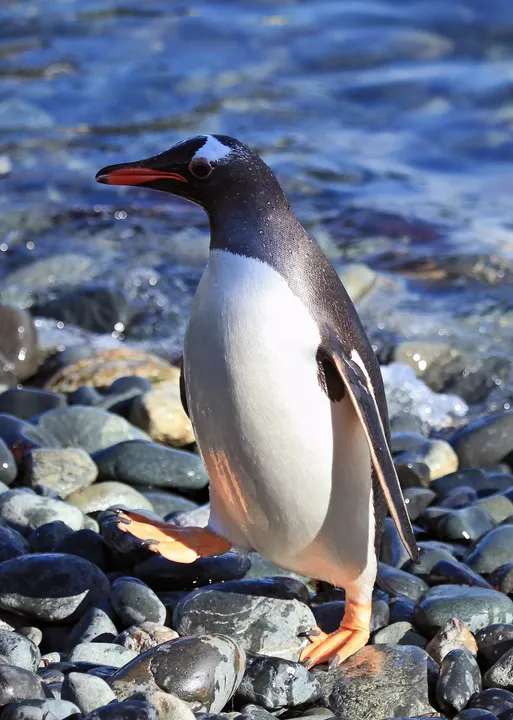
The Antarctic Peninsula MPA proposal is led by Argentina and Chile. Its protection area sits right over the summer chick-rearing grounds of chinstrap and gentoo penguins, the same waters I wrote about in the krill oil article.
The three proposals face basically the same blockers: China and Russia. Sometimes the stated reason is sovereignty. Sometimes it is “reservations” about scientific methods. Sometimes it is a request for more time to study.
Where fishery interests sit
Chinese and Russian opposition has context. In the Southern Ocean krill fishery, China is one of the fastest-growing fishing nations in recent years. Russia has historical Southern Ocean fishing records, mainly for krill and Antarctic toothfish.
The waters off the Antarctic Peninsula (CCAMLR labels them 48.1) account for about 70% of the global krill catch. That sea is now where fishing vessels concentrate most densely. In the 2024 to 2025 fishing season, the quota was hit early for the first time. Satellite-tracking point maps became a blur in a few small areas, and some hotspots had twice the fishing density of the previous season.
CCAMLR’s quota design originally split these waters into subareas precisely to avoid concentrated pressure. In 2024, that subquota allocation mechanism was suspended. The 620,000-tonne total could be caught in any block, and the result was that early closure.
If an MPA passes, it does not necessarily mean a total fishing ban. But it restricts where and how fishing can happen, and that constrains fisheries concentrated in hotspots.
That is the core of the deadlock.
Chinstrap maps and fishing-vessel maps
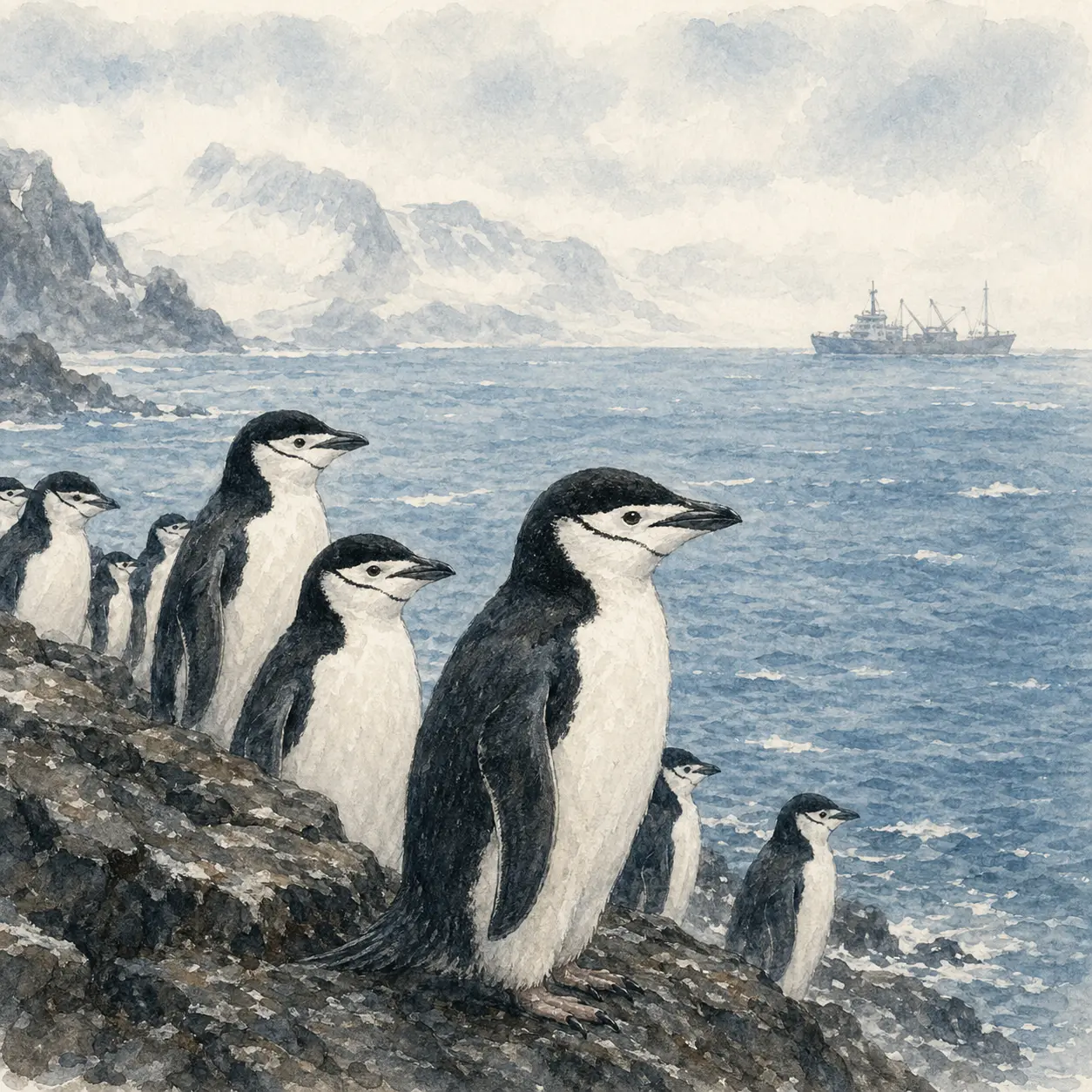
Overlay chinstrap penguin summer foraging ranges on those fishing hotspots, and the overlap is very high. During chick-rearing, penguin mothers travel daily between the nest and foraging grounds within a limited range. They cannot simply detour around vessel-dense waters. A 2020 study analyzing more than 30 years of tracking data found that once a stretch of sea was fished hard enough, breeding success dropped clearly, by about the same scale as in bad climate years.
Climate, fishery, and governance pressures are stacked together in these waters. None of them is an isolated pressure.
In 2018, the krill fishing industry voluntarily established two summer closure buffer zones, covering roughly three-quarters of chinstrap chick-rearing foraging habitat and nearly all of the gentoo habitat. That was a voluntary agreement, not mandatory, and not the same as the legal force of an MPA.
Voluntary commitments can be withdrawn. MPAs cannot.
Where is the exit from consensus?
Conservation researchers have proposed several paths, each with a cost. One is to keep negotiating and keep shrinking proposal boundaries to win support. That is how the Ross Sea passed, but fishery exemptions came with it, and some scientists argue that this is not full protection.
Another path is to bypass consensus and switch to voting. The convention allows this route, but no member state currently wants to push it, because if voting becomes a precedent, other parties may use the same logic against them on other issues later.
A third path shifts pressure into domestic markets: certification thresholds for seafood products, public pressure through the controversy over MSC, the Marine Stewardship Council, certification, and consumer-side influence on fishing companies. This is the route conservation groups are most actively taking now, but nobody can say how long it will take to show results.
In 2026, WWF and ASOC, the Antarctic and Southern Ocean Coalition, both filed formal objections to MSC certification of the krill fishery. The MSC blue check is still there, but it is now being substantively challenged.
These routes do not exclude one another. The problem is time.
Penguins cannot wait another twenty years
Chinstrap penguins on the Antarctic Peninsula have declined about 30% over three generations, and the speed of compound pressure is faster than the speed of negotiation. CCAMLR’s consensus system was originally meant to bring all parties into the room, but when “being in the room” means “any one party can block the exit,” it shifts from a negotiation tool into a blocking tool.
Every year, when the Hobart annual meeting ends, the statement says review of MPA proposals will continue. The next year they meet again: the same three proposals, the same few blockers. The 43rd meeting has passed; the 44th will be held in autumn 2025.

The structural problem behind the numbers
The things needed to protect a sea area are actually quite clear. Scientific assessments exist. Species population data exist. Spatial overlap analyses exist.
There are already enough reasons for protection. What is missing is consensus. The assumption behind CCAMLR’s original design was that member states would be willing to give ground for the Antarctic ecosystem. The Ross Sea showed this is possible, but it took ten years and sacrificed some protection strength. East Antarctic and Weddell Sea proposals have already been revised many times. Every revision is another concession.
Every revision shrinks the protected area. Negotiations continue, but penguins pay the cost first.
The scientific data are clear about where chinstrap, Adelie, and gentoo penguins forage. The fishery data are clear about the current state of that sea.
The remaining gap is in a meeting room in Hobart, not at sea.
I am still reading to see where the Weddell Sea proposal goes next.
Further Reading
- Krill Oil vs Antarctic Penguins: After Reading a Stack of Papers
- Antarctic food chain: what penguins eat, and who eats penguins
References
CCAMLR and MPA proposals
- CCAMLR Conservation Measure 91-05 (2016 Ross Sea MPA)
- CCAMLR 43rd Meeting Report, Hobart 2024
- CCAMLR Conservation Measure 51-07 (krill quota allocation mechanism)
- Everson, I., ed. (2000). Krill: Biology, Ecology and Fisheries. Blackwell Science
MPA politics and blocking analysis
- Brooks, C. M. et al. (2020). Protecting the Southern Ocean. Science, 367(6475), 251-252
- Nicol, S. et al. (2012). Southern Ocean Iron Fertilization and Krill. Oceanography, 25(3)
- Antarctic and Southern Ocean Coalition (ASOC), submissions to CCAMLR SC (2022-2024)
Penguin populations and krill overlap
- Watters, G. M. et al. (2020). Scientific Reports, DOI: 10.1038/s41598-020-59223-9
- Warwick-Evans, V. et al. (2022). Frontiers in Marine Science, DOI: 10.3389/fmars.2022.1015851
- Hinke, J. T. et al. (2017). PLOS ONE, DOI: 10.1371/journal.pone.0170132
Krill fishery 2024-25 catch data
- CCAMLR Fishery Report 2024 (2025-04-07)
- AP News, “Antarctic krill fishery closes early for first time” (2025)
MSC certification controversy
- ASOC formal objection to MSC krill certification, 2026-04-08
- WWF statement on MSC Antarctic krill, 2026-03
FAQ
Why does CCAMLR make Southern Ocean MPAs hard to pass?
CCAMLR has 26 members and uses consensus. If one member does not agree, a proposal can fail even when the science supports it.
Which Southern Ocean MPA proposals are stalled?
The article names the East Antarctic, Weddell Sea, and Antarctic Peninsula Domain 1 proposals as the three major proposals still stuck.
Why does the Antarctic Peninsula MPA matter for penguins?
Domain 1 overlaps chinstrap and gentoo chick-rearing foraging grounds and krill fishing hotspot 48.1, where climate, fishery, and governance pressures stack together.