Original source: The Asahi Shimbun
The Antarctic Treaty Consultative Meeting, or ATCM, closed in Hiroshima on May 21. A proposal to list the emperor penguin as a specially protected species failed again after China and Russia objected.
This was Japan’s first time hosting the meeting in 32 years.
The 11-day session began on May 11 and brought together more than 400 delegates from 44 countries. The agenda covered climate change, environmental protection, and the growing impact of tourism in Antarctica.
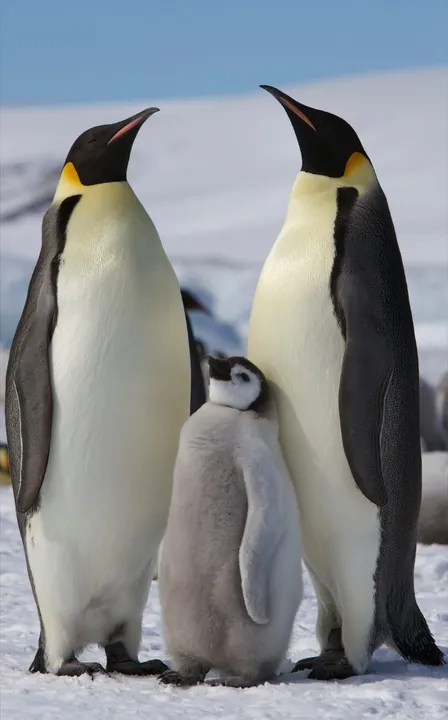
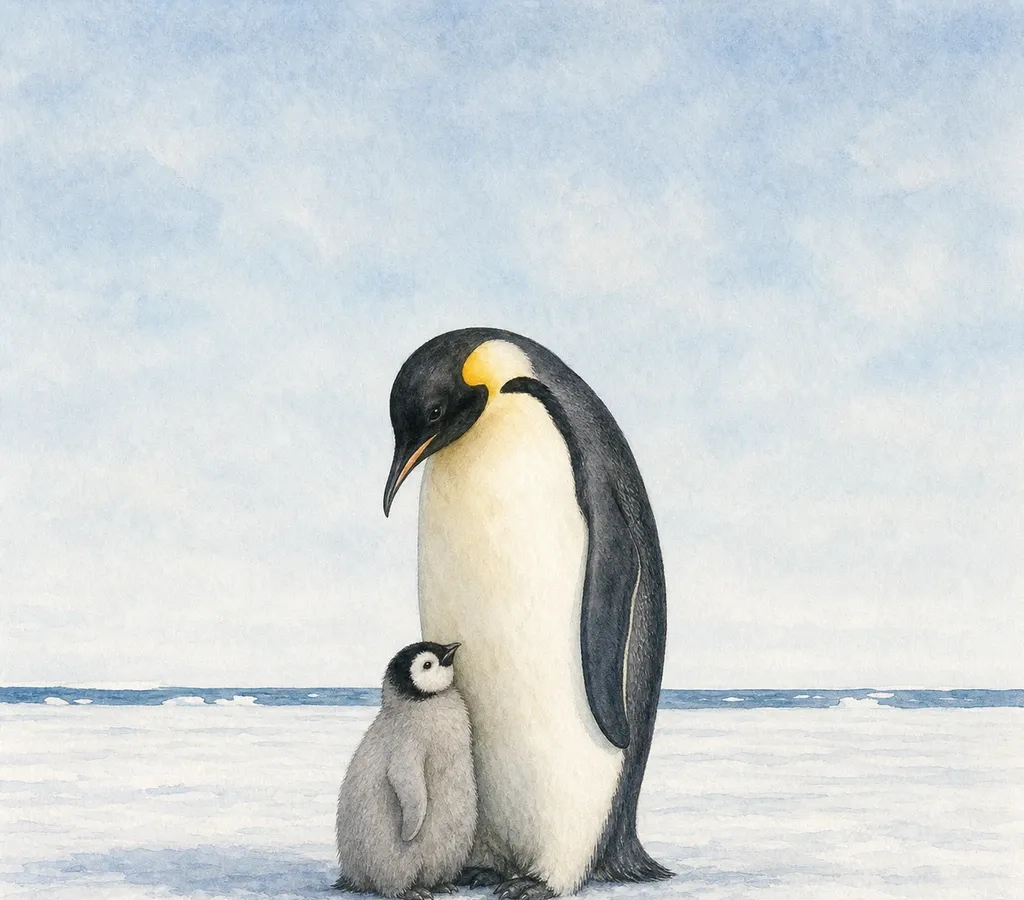
Emperor penguins, whose numbers continue to fall, were one of the focus species this year and in the previous meeting. China and Russia acknowledged the habitat threat from shrinking sea ice and the need for protection. They still argued that other options could be used instead.
Because ATCM decisions require consensus, one objection from any of the 29 decision-making consultative parties is enough to stop a proposal.
That pattern has kept important files stuck in recent years.
Applications from Belarus, Canada, and Turkey to upgrade to Consultative Party status also failed to pass at this meeting. That review also requires consensus, and the bar for new members to gain decision-making status has historically been high.
At the closing press conference, chair and Japanese Antarctic Treaty affairs representative, or ATCM ambassador, Hideki Uyama said the meeting had achieved its purpose of sharing goals and advancing international cooperation in an age of division, confrontation, and uncertainty.
In April 2026, the IUCN Red List assessment by BirdLife International, the IUCN Red List Authority for birds, and the IUCN SSC Penguin Specialist Group moved the emperor penguin from Near Threatened to Endangered. The main reason was unstable Antarctic sea ice, which can leave chicks exposed to drowning before waterproof feathers grow in.
The Hiroshima meeting shows the gap again: scientific risk can be recognized faster than international protection mechanisms can move.
The Antarctic Treaty was adopted in December 1959 and entered into force in June 1961. It freezes territorial claims, bans military use and underground resource development, and reserves Antarctica for peaceful purposes. Japan was one of the 12 original signatories. The treaty now has 58 parties.
This report draws on Asahi Shimbun’s May 21, 2026 coverage.
FAQ
Why did the emperor penguin protection proposal fail?
ATCM decisions require consensus. China and Russia accepted that emperor penguins face habitat threats from sea-ice loss, but argued that other approaches were possible and opposed the special protected status proposal.
Where was the 2026 Antarctic Treaty meeting held?
It was held in Hiroshima, Japan, from May 11 to May 21, 2026. It was Japan's first time hosting the Antarctic Treaty Consultative Meeting in 32 years, with more than 400 delegates from 44 countries.