Original source: BirdLife International
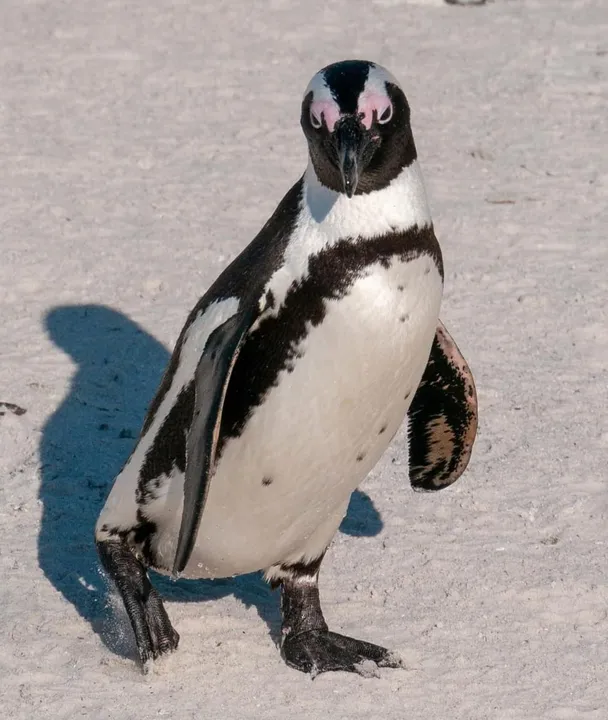
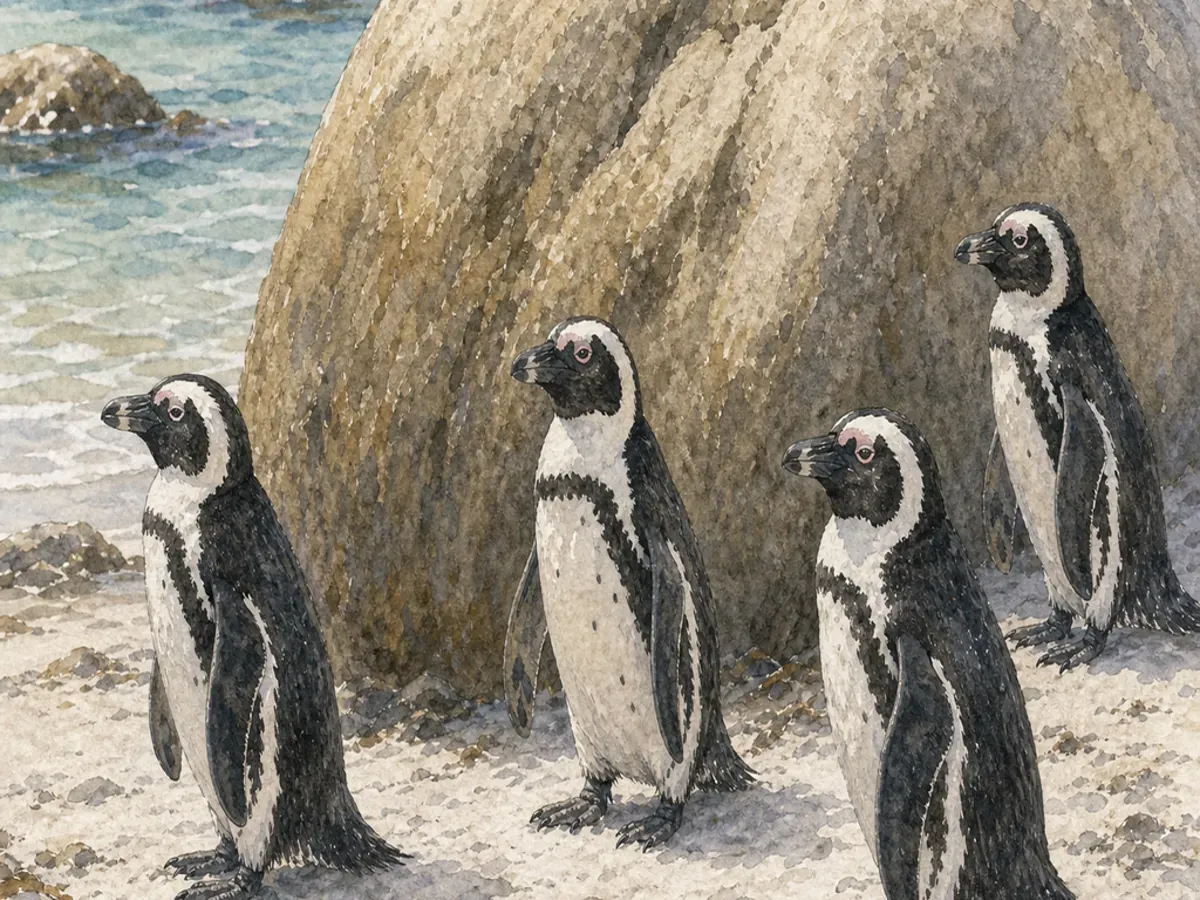
The IUCN Red List uplisted the African penguin, Spheniscus demersus, from Endangered to Critically Endangered (CR) in its 28 October 2024 update. BirdLife International, SANCCOB, and the IUCN Red List describe the decision as a response to continuing decline along the coasts of South Africa and Namibia, where food shortage, fisheries competition, and changing ocean conditions have pushed colonies downward. It is the first penguin species ever recorded as Critically Endangered.
The African penguin is the only penguin native to Africa. The IUCN assessment lists about 19,800 mature individuals, with the population trend still decreasing. BirdLife International said the species has lost most of its historical population, and that the risk to wild colonies will rise without stronger conservation action.
Food is the central pressure. African penguins depend on sardines, anchovies, and other small fish to feed chicks. When those fish shift farther from colonies, or when commercial fishing works the same foraging areas, adult penguins spend longer at sea and chicks receive less food. SANCCOB’s rehabilitation work frequently receives the consequences on land: underweight, dehydrated, injured, or oiled birds.
The CR listing does not itself rewrite every local rule in South Africa, but it raises the international conservation signal. BirdLife South Africa and SANCCOB have called for clearer fisheries management around colonies, especially where access to forage fish determines breeding success.
The next records to watch are later IUCN reassessments, South African fisheries decisions, and monitoring results from colony-adjacent closures and protected areas.
FAQ
When was the African penguin uplisted to Critically Endangered?
The IUCN Red List uplisted the African penguin to Critically Endangered (CR) in its 28 October 2024 update.
Why was the African penguin uplisted?
The assessment reflects rapid decline in mature individuals, driven by forage-fish pressure, fisheries competition, changing sea conditions, and long-running colony pressure.