Original source: BirdLife International
The International Union for Conservation of Nature (IUCN) released a Red List update on 9 April in Gland, Switzerland, moving the emperor penguin from Near Threatened to Endangered. BirdLife International and the IUCN Species Survival Commission Penguin Specialist Group completed the assessment, citing early breakup and loss of Antarctic sea ice as the main threat to chicks before they grow waterproof feathers.
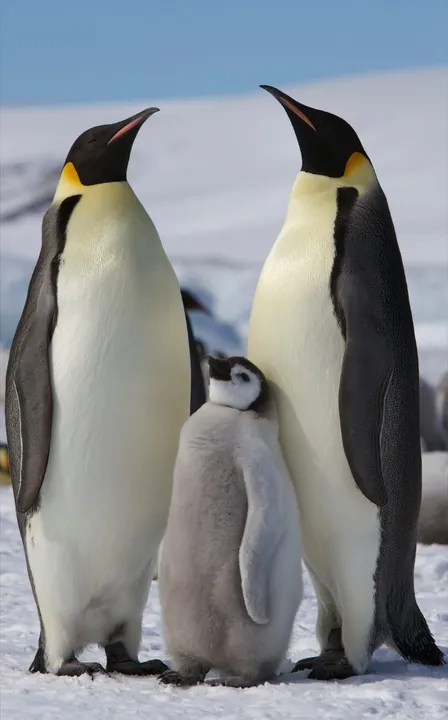
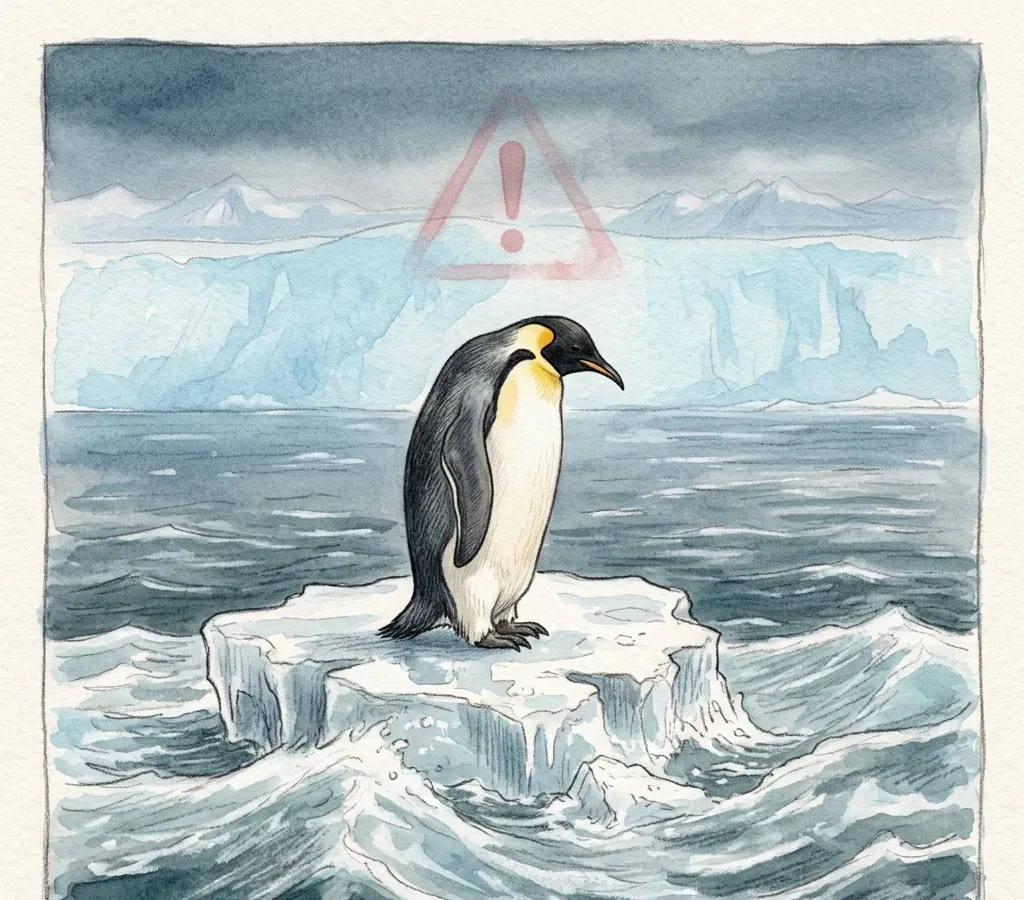
The most dangerous point is the chick stage. Before young penguins grow waterproof feathers, an early sea-ice breakup can send them into the ocean with almost no chance.
Recent studies have already documented mass drowning events involving whole cohorts of chicks. This assessment formally folds that risk into the conservation judgment. If current trends continue, the population could be cut in half by the 2080s.
IUCN said the pre-publication assessments will be added to Red List species profiles later in 2026. BirdLife International CEO Martin Harper said the emperor penguin’s move to Endangered shows climate change is accelerating extinction risk for birds.
FAQ
When were emperor penguins moved to Endangered?
In April 2026, the International Union for Conservation of Nature (IUCN) Red List assessment by BirdLife International and the IUCN Species Survival Commission Penguin Specialist Group moved emperor penguins from Near Threatened to Endangered.
How does sea-ice loss threaten emperor penguin chicks?
Before chicks grow waterproof feathers, early sea-ice breakup can send them into the ocean with almost no chance of survival.