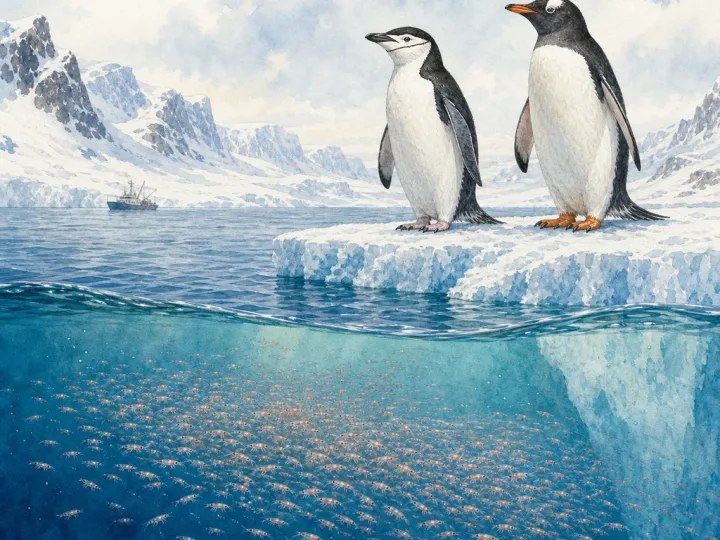
Area 48 Krill Fishing and Penguins: Why Local Overlap Matters
In Area 48, the ecological risk of Antarctic krill fishing often sits in place and chick-rearing season; a conservative total catch can still overlap with penguin feeding areas.
6/3

In Area 48, the ecological risk of Antarctic krill fishing often sits in place and chick-rearing season; a conservative total catch can still overlap with penguin feeding areas.
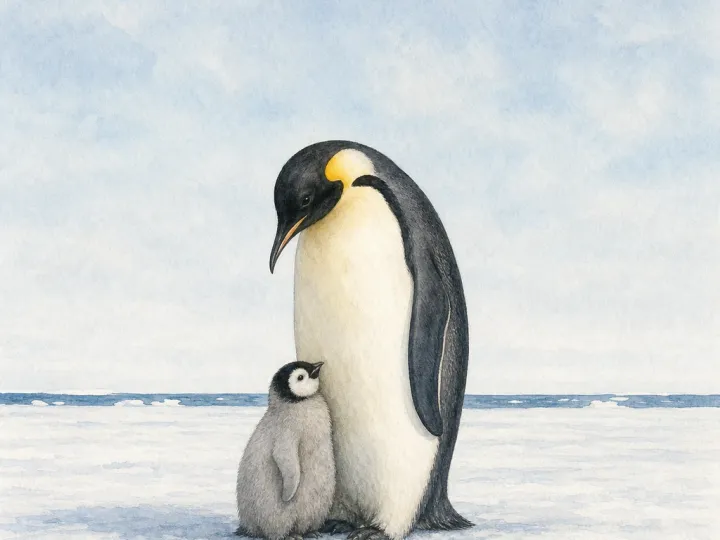
The Antarctic Treaty Consultative Meeting closed in Hiroshima on May 21, 2026. A proposal to give emperor penguins special protected status failed again after China and Russia objected.
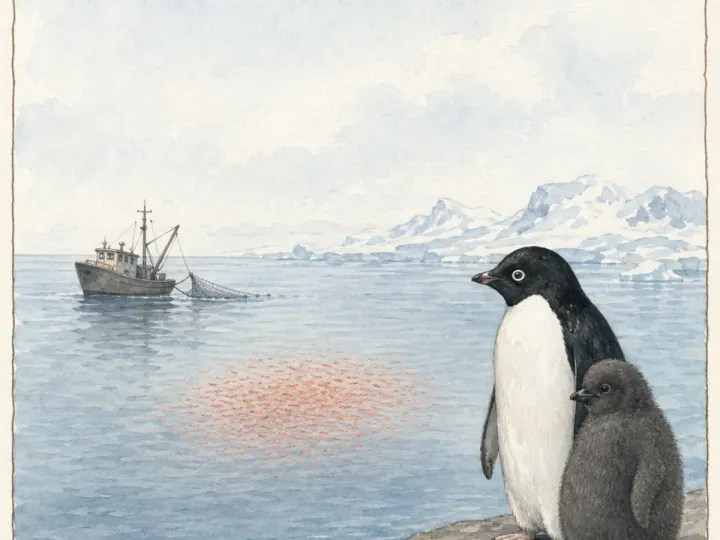
Krill oil pressure is about where fishing concentrates: Antarctic Peninsula hotspots overlap chick-rearing foraging areas, while health benefits do not clearly beat alternatives.
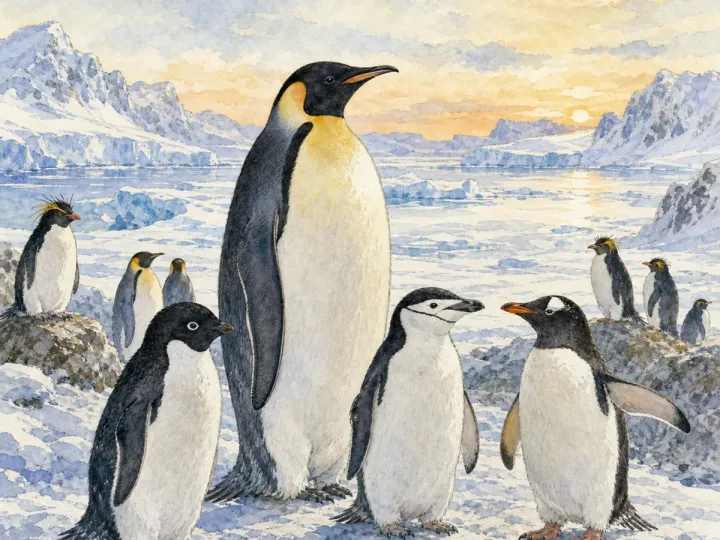
Penguins in Antarctica are not one scene: emperors and Adélies on sea ice, gentoos and chinstraps on the peninsula, and kings and macaronis on sub-Antarctic islands.
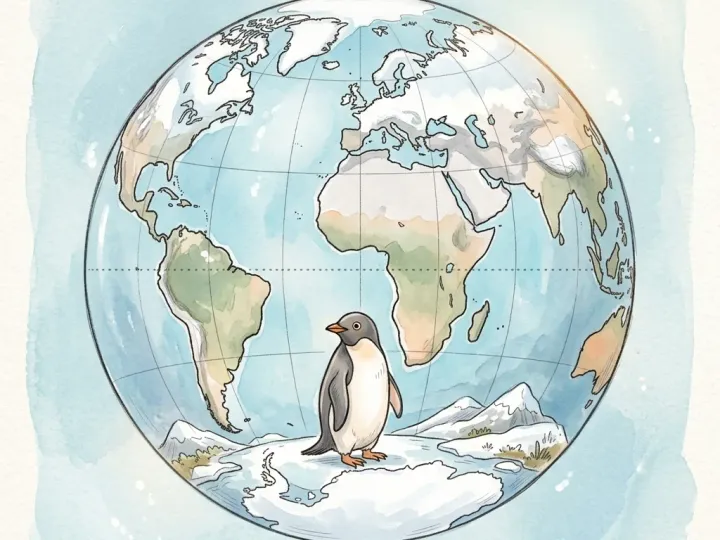
No wild penguins live at the North Pole. All living penguins are Southern Hemisphere birds, ranging from Antarctica to the Galapagos; Arctic black-and-white seabirds are usually puffins, auks, or the extinct great auk.
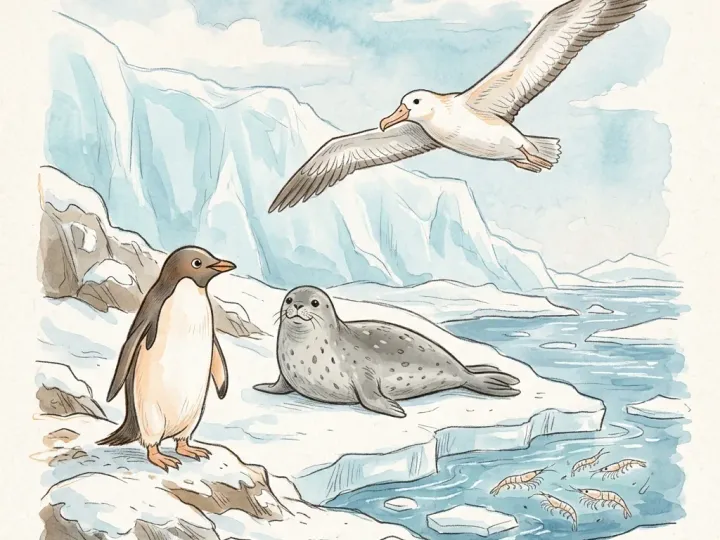
No. Antarctica has much more than penguins: seals, whales, seabirds, krill, fish, squid, and plankton all share the system. Penguins are just one memorable part of a wider Antarctic food web.
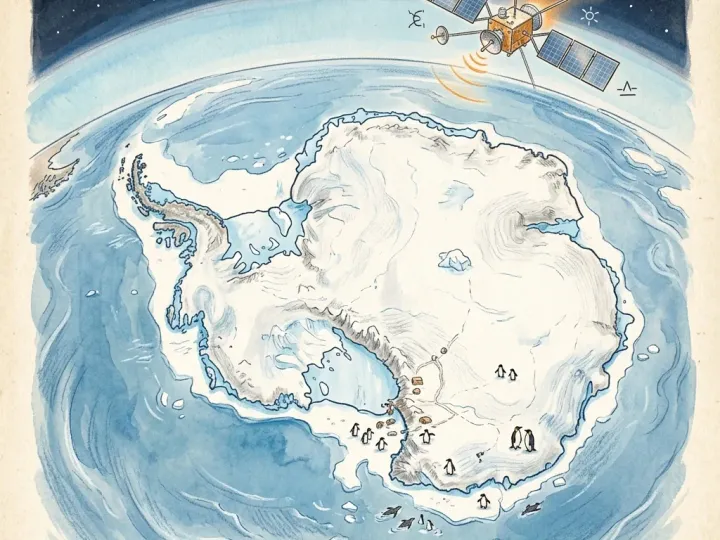
A British Antarctic Survey (BAS) study used satellite imagery to locate emperor penguin moulting sites and found only 25 small groups in 2025 imagery as shrinking sea ice increased risk.
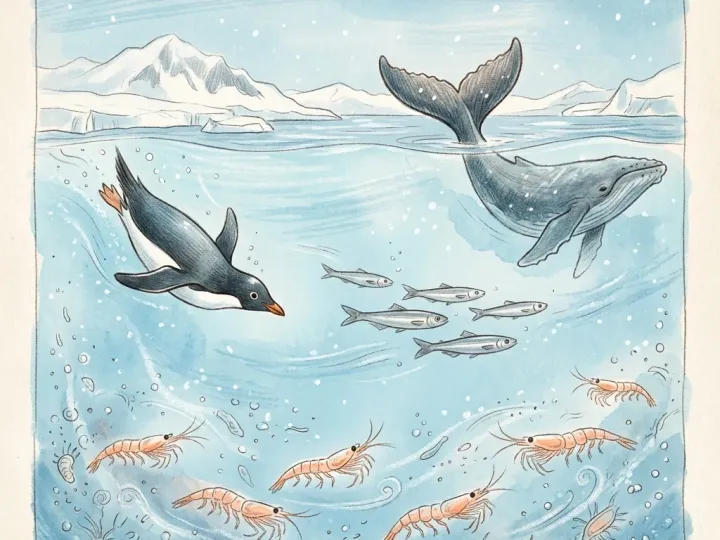
The Antarctic food chain is not a single-line penguin story; krill, sea ice, fish, seals, and whales together decide what penguins eat, and who eats penguins.
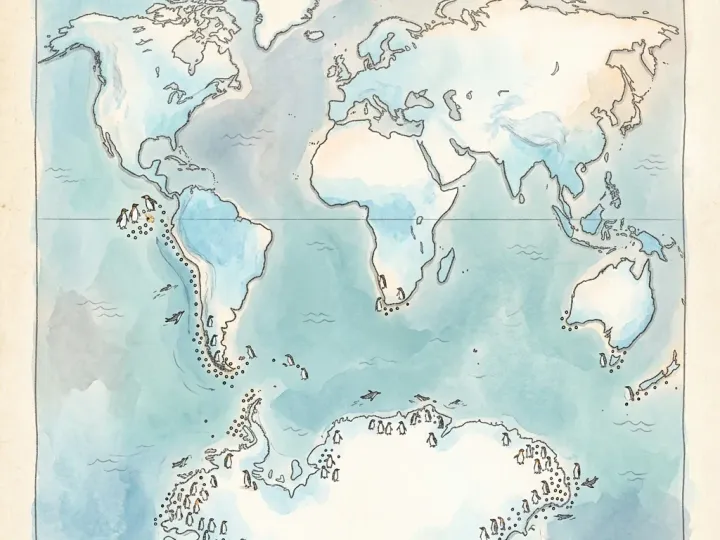
Penguins live in the Southern Hemisphere, from Antarctica to South America, South Africa, Australia, New Zealand, and even near the equator. They depend on ocean food and breeding sites, not just ice.
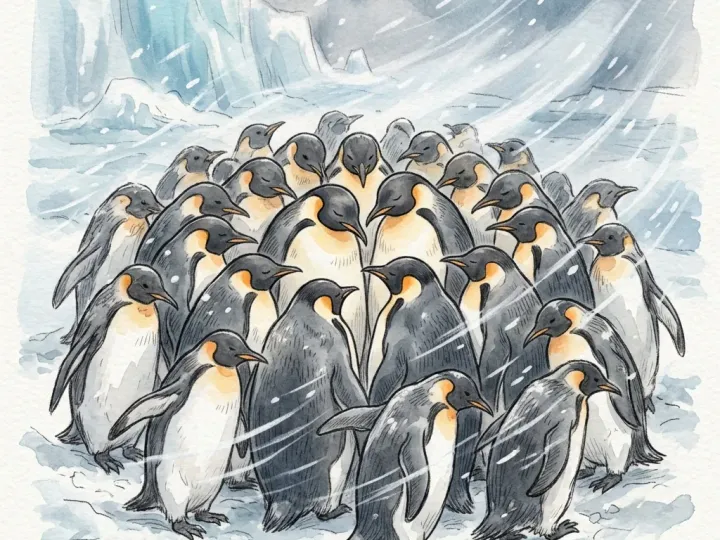
Whether penguins get cold depends on the species. Emperor penguins are built for Antarctic cold, but African and Galapagos penguins often deal more with overheating, hard sun, and water stress than with freezing.
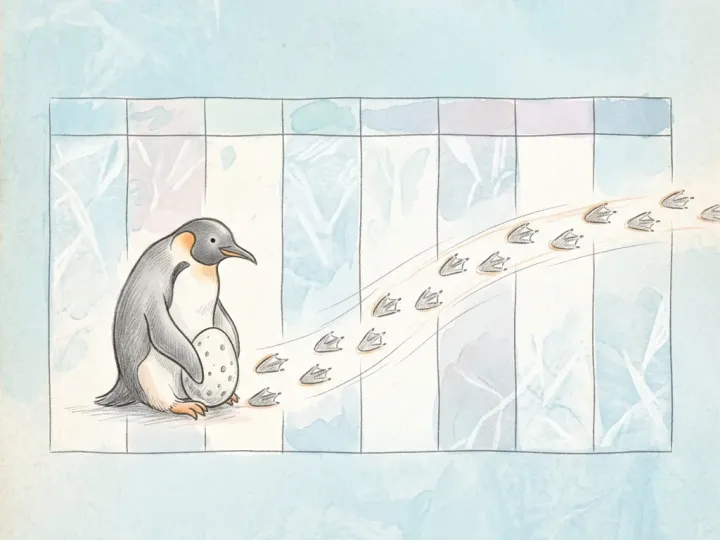
A decade of data from the University of Oxford and Oxford Brookes University shows Antarctic gentoo penguins breeding 13 days earlier per decade on average, with some colonies shifting by 24 days.
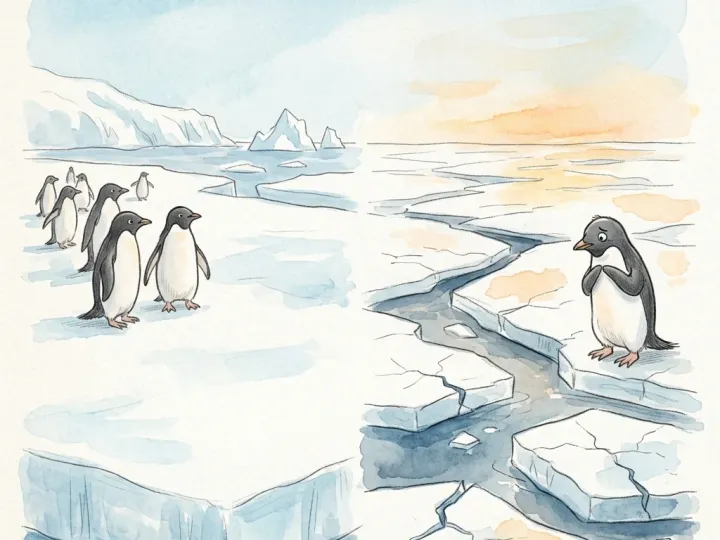
The National Snow and Ice Data Center (NSIDC) says the four lowest Antarctic summer sea-ice extents in the satellite record have occurred from 2022 through 2025, raising pressure on emperor penguin breeding.