Original source: University of Oxford
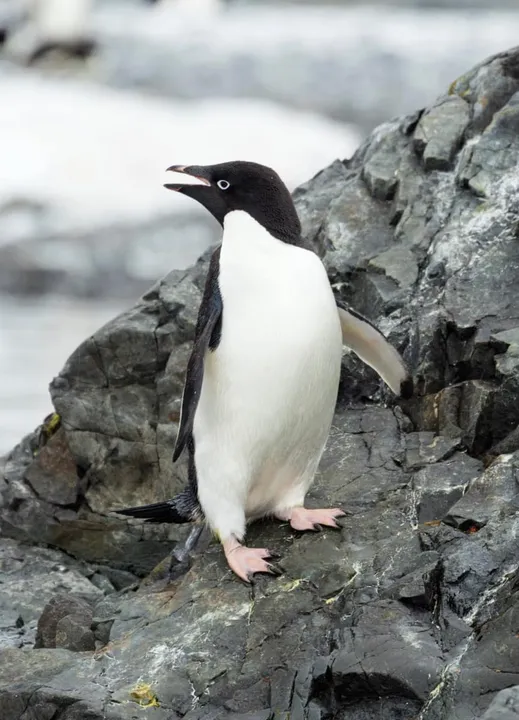
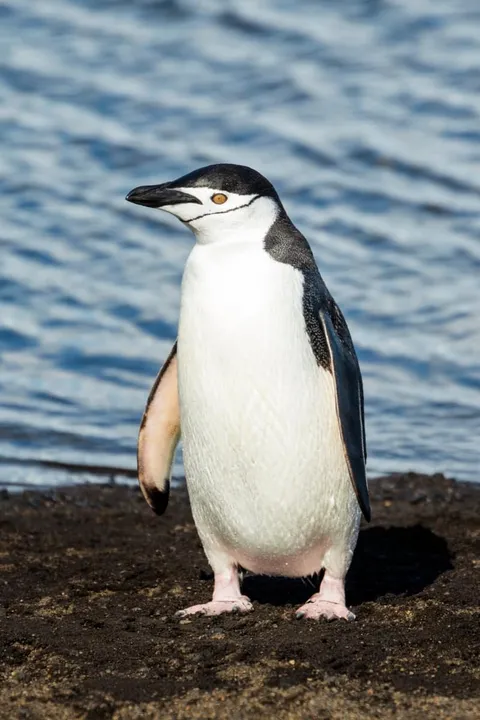
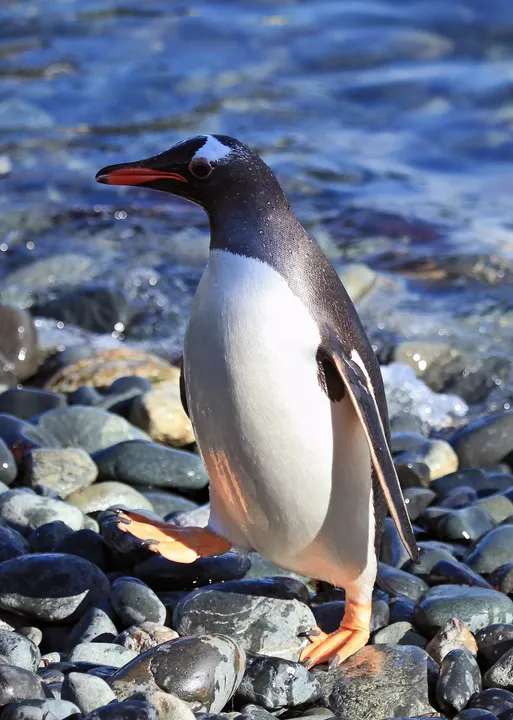
The Penguin Watch team led by the University of Oxford and Oxford Brookes University released a decade-long study on 20 January, using data from 77 time-lapse cameras at 37 Antarctic and sub-Antarctic colonies between 2012 and 2022. The team found that gentoo penguins began breeding 13 days earlier per decade on average, with some colonies shifting by 24 days.
That is nearly two full weeks. On the surface, it can look like impressive flexibility. Underneath, it feels tighter than that, because the penguins are trying to keep up with seasons that have already changed.
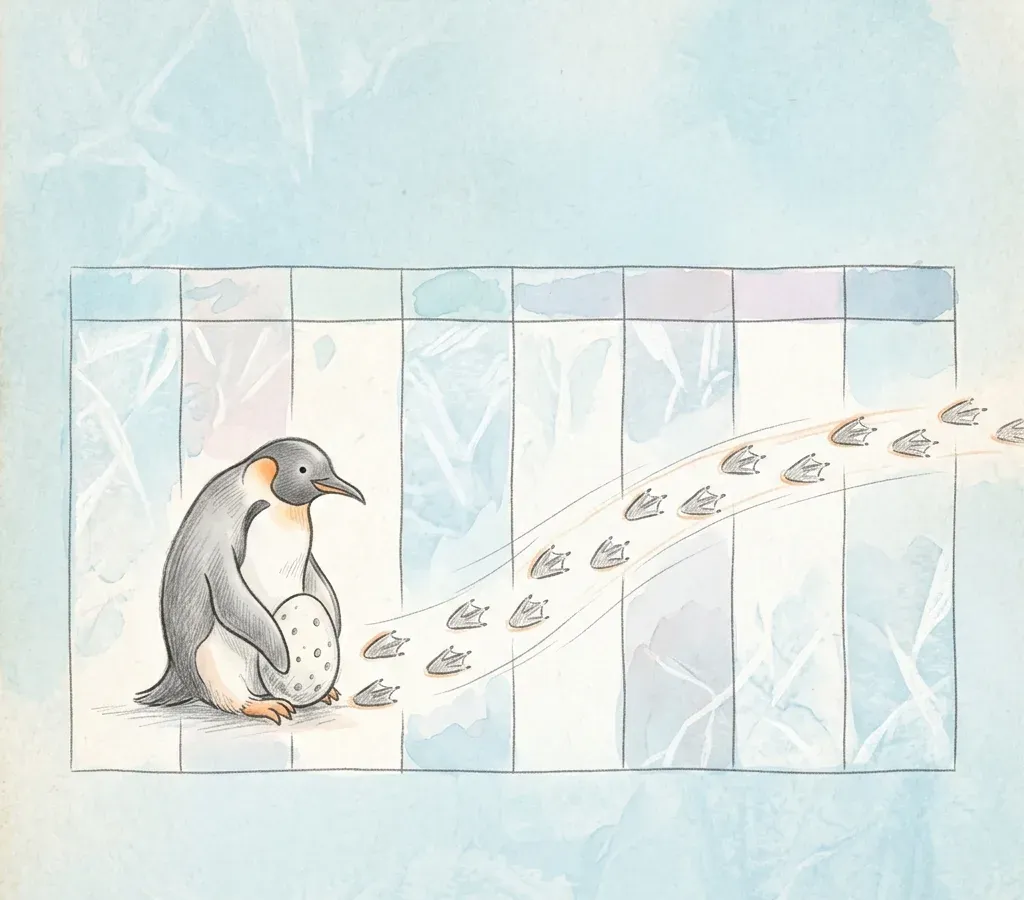
Earlier breeding is not automatically good news. If penguins lay eggs sooner but krill, fish, and sea-ice conditions do not move in step, the peak at sea may fall out of sync with the moment chicks need food most.
That kind of time gap is hard to sense in ordinary life. For breeding success, it can be brutal.
The study by Ignacio Juarez Martinez and colleagues was published in Journal of Animal Ecology. University of Oxford co-author Fiona Jones said further monitoring is needed to understand whether the earlier breeding season is affecting penguin breeding success.
FAQ
How much earlier are Antarctic penguins breeding?
The article cites a 2026 Journal of Animal Ecology study by Juarez Martinez et al. showing gentoo penguins breeding 13 days earlier per decade on average, with some sites shifting by as much as 24 days.
Why is earlier breeding not automatically good news?
If krill, fish, and sea-ice conditions do not shift in step, the ocean food peak may fall out of sync with the period when chicks need food most.