Original source: NSIDC
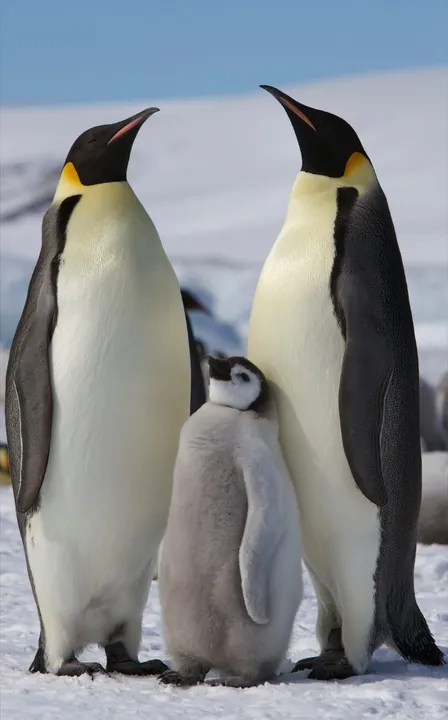
The National Snow and Ice Data Center (NSIDC) said in March 2025 that Antarctic sea ice reached its annual summer minimum on 1 March. The years 2022, 2023, 2024, and 2025 now include the four lowest Antarctic summer sea-ice extents in the satellite record, increasing risk for emperor penguins that depend on sea ice to breed.
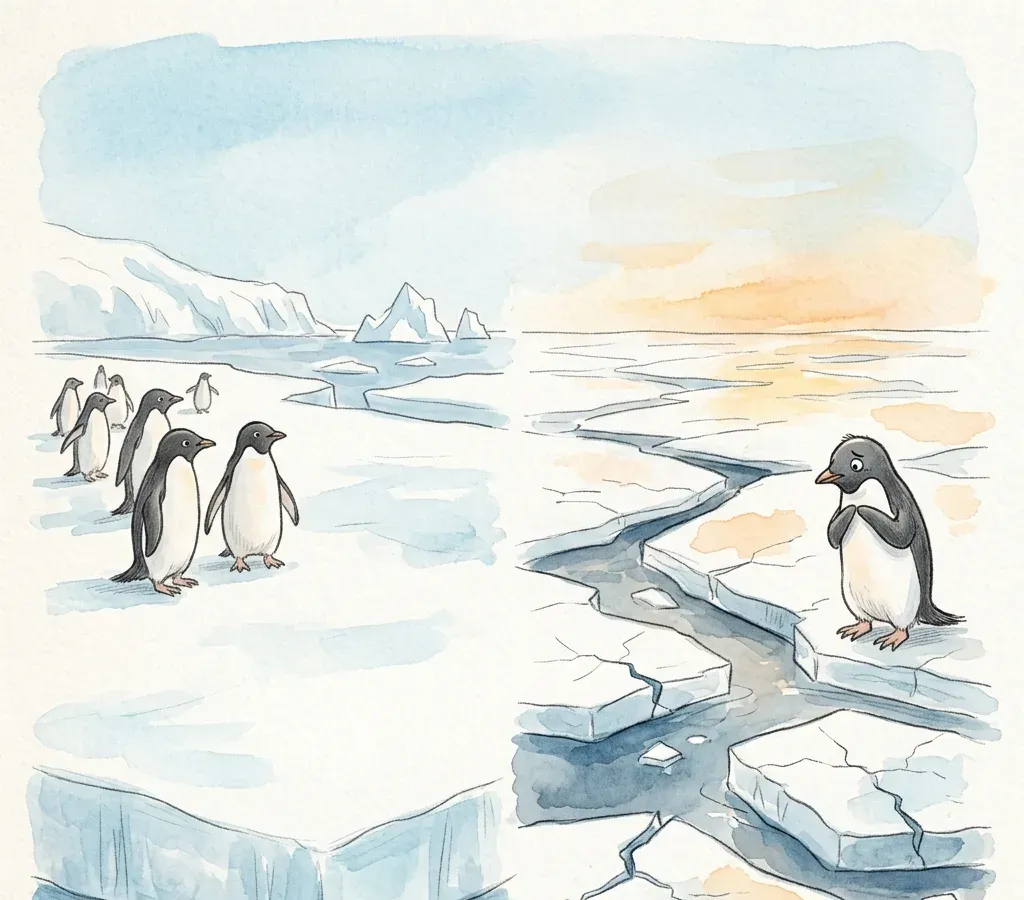
It feels as if the floor keeps moving downward.
You are still standing in the same place, but the sense of safety beside your feet gets thinner every year. For species such as emperor penguins, which depend on sea ice to breed, this is not distant at all.
Sea ice is the nursery floor, the resting place, and part of the rhythm Antarctic penguins know. When sea-ice area shrinks and formation timing changes, the white zones on the map shift too. Whether the breeding season can carry through smoothly is pulled along with them.
NSIDC continues to update its daily sea-ice index from satellite data. NOAA Climate.gov, citing NSIDC data, said Antarctic sea ice has mostly tracked below average since 2016, with later monthly reports following how winter ice returns after the summer minimum.
FAQ
What happened to Antarctic sea ice in 2025?
The National Snow and Ice Data Center (NSIDC) says 2022, 2023, 2024, and 2025 include the four lowest Antarctic summer sea-ice extents in the satellite record.
Why does low Antarctic sea ice matter for emperor penguins?
Emperor penguins depend on sea ice for breeding, resting, and the seasonal rhythm that lets chick rearing continue safely.