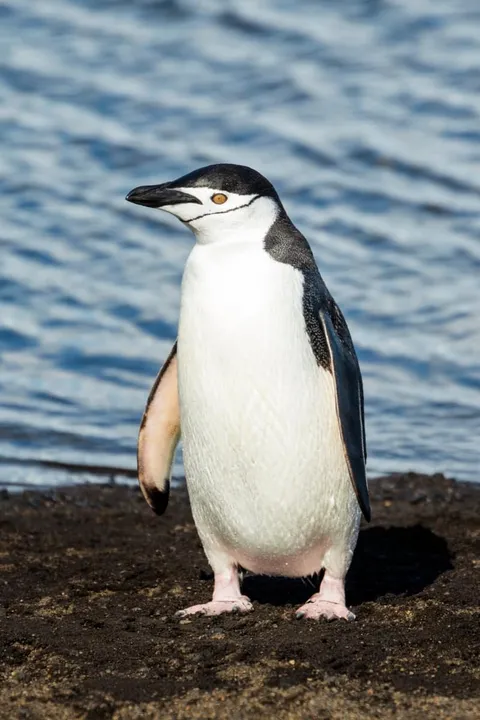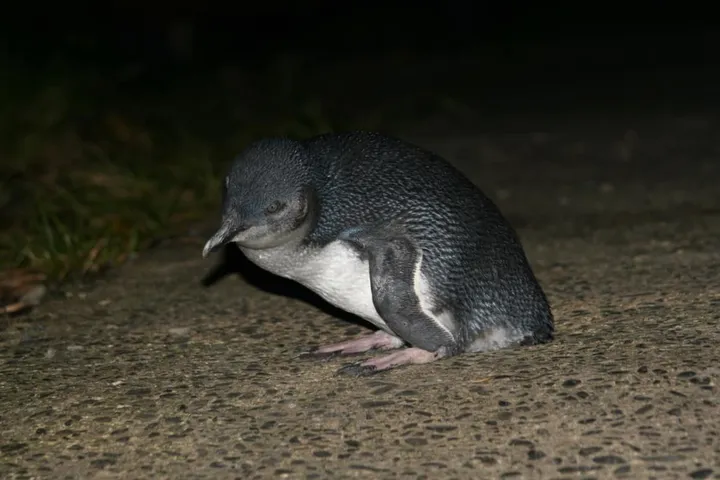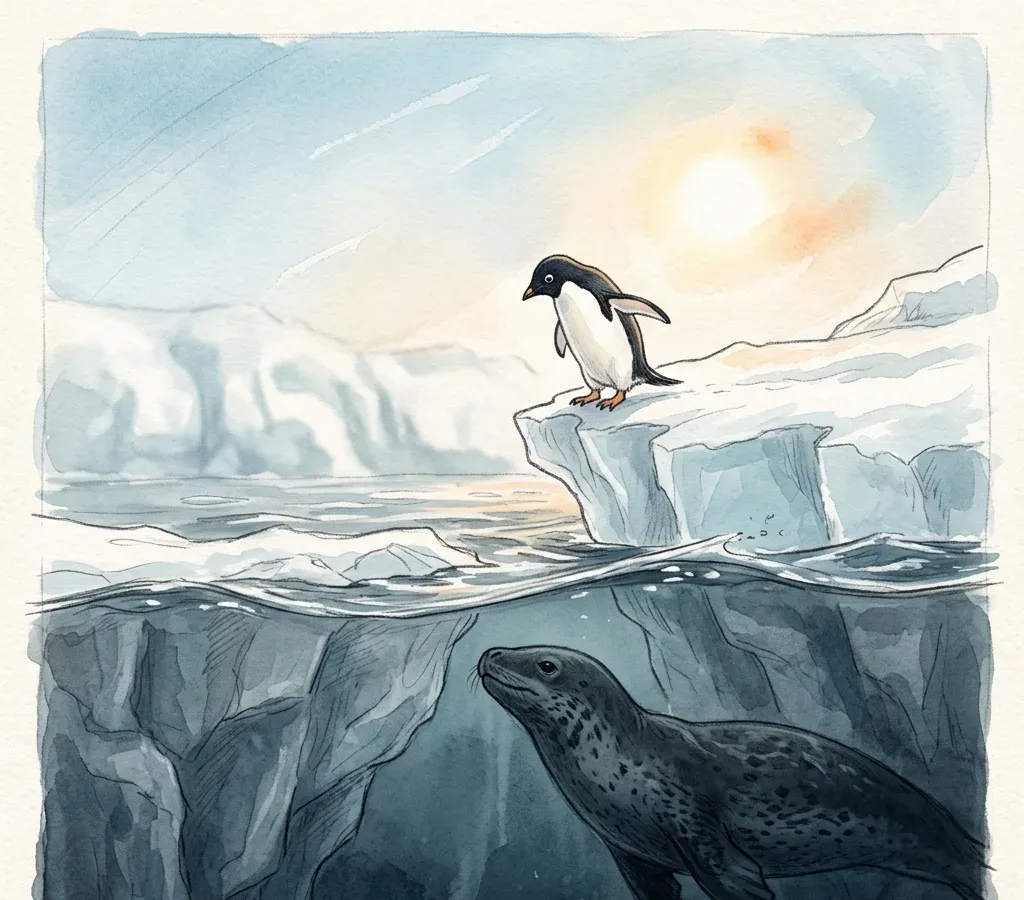
Penguin predators are often hidden in places the penguin cannot see.
The most dangerous battleground is usually the sea. Leopard seals wait near ice edges and target penguins as they enter or leave the water. Orcas hunt penguins in some waters, and large sharks can threaten species that live in warmer seas.
On land, a penguin can look charmingly awkward. Once it jumps into the ocean, it is more like walking into an exam room full of hard questions. The nesting area is not completely safe either.
Eggs and small chicks may attract skuas, giant petrels, and other birds. Penguins that live on islands or near coasts can also run into foxes, feral cats, dogs, and even rats, all introduced predators in some places.
For penguin populations that did not originally have land-mammal predators, introduced animals can hit especially hard, because the birds were not shaped by that pressure in the past. A lot of protection work ends up focusing on removing introduced species and defending nesting areas.
So penguin survival is not only a contest of endurance against weather. It also depends on timing among different enemies. When to enter the water together, where to build a nest, whether to huddle, and whether the parents’ shifts connect properly all carry predator-avoidance calculations behind them.
Every day they survive comes with a little precision, and a little luck.
FAQ
Do penguins face the same predators in the sea and on land?
No. At sea, common predators include leopard seals, orcas, and sharks. On land or around nest sites, penguins may face skuas, giant petrels, and introduced animals such as foxes, cats, and dogs.
What eats penguin eggs and chicks?
Eggs and small chicks may be taken by skuas, giant petrels, and other birds. Some island or coastal colonies also face foxes, feral cats, dogs, or rats.
Why are introduced animals dangerous for penguins?
Some penguin populations did not originally have land-mammal predators, so introduced animals can hit hard because the birds were not shaped by that pressure.