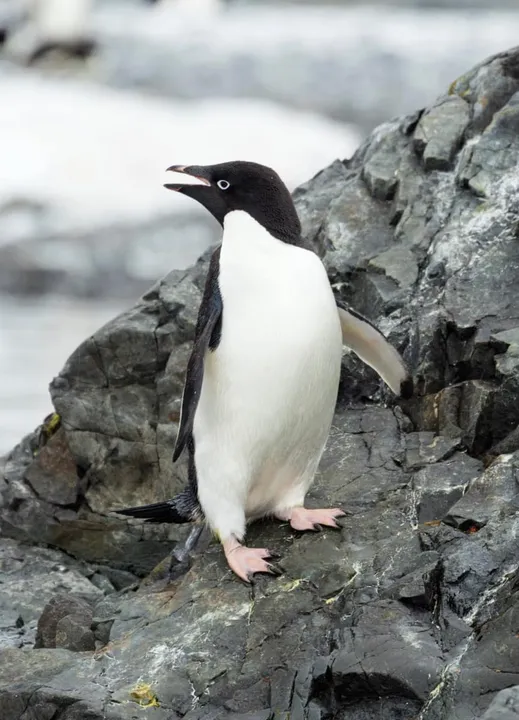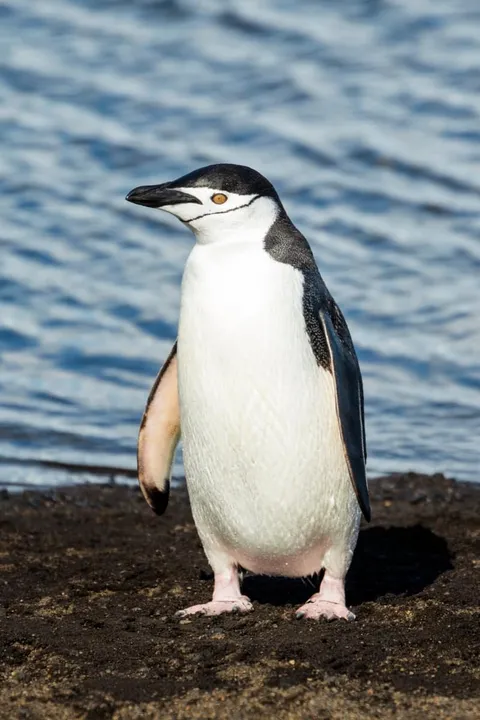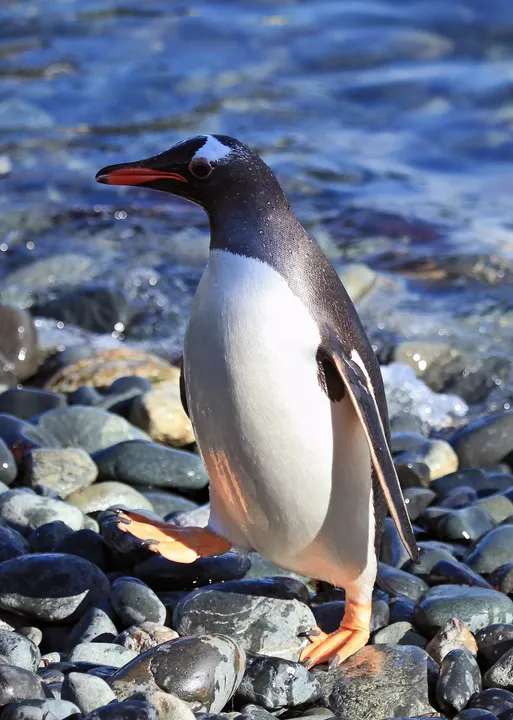
Penguins can drink seawater, and they often take in salt while feeding.
That does not mean their bodies simply turn seawater into fresh water. The better explanation is that penguins can remove excess salt.
Penguins chase fish, krill, and squid in the ocean. Their prey comes from saltwater, and seawater can enter the mouth during feeding. Without a salt-removal system, that salt load would become a problem.
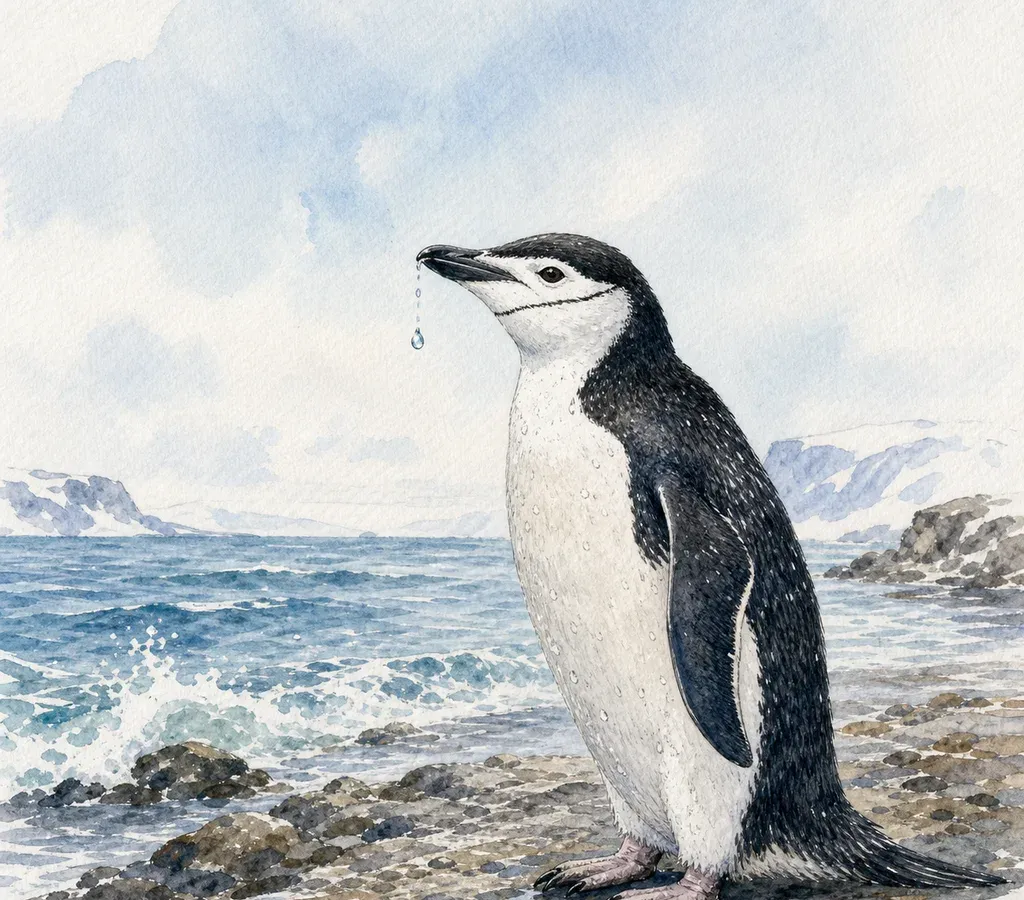
Their solution is the salt gland. These glands sit near the area above the eyes and remove extra salt from the blood. The concentrated salty fluid then drains through the nasal and beak area.
That is why a penguin may appear to drip or shake liquid from the beak. It is not a trick. It is a seabird body handling the byproduct of ocean living.
This is one reason penguins can live around Antarctic, subantarctic, temperate, and even Galapagos waters. They are not just swimmers; they are birds with tools for life in saltwater.
It is more accurate to say penguins excrete salt than to say they make seawater fresh. The seawater is still salty. The penguin just has a way to send the extra salt back out.
FAQ
Do penguins really drink seawater?
Yes. Penguins can take in seawater and salt while feeding, but their bodies remove much of the excess salt.
Where are penguin salt glands?
They sit near the area above the eyes and help remove excess salt from the blood, sending concentrated brine toward the nasal and beak area.
Does that mean penguins do not need water?
No. Water sources vary by species and environment. The key point is that penguins can handle the salt burden of marine life.