The question of whether penguins recognize their owners often gets stuck on the word owner. For a penguin, the world does not run by the same rules as it does for a dog.
Penguins care more about who appears regularly, who brings food, which sound means safety, and which route leads to a familiar nest site or resting area.
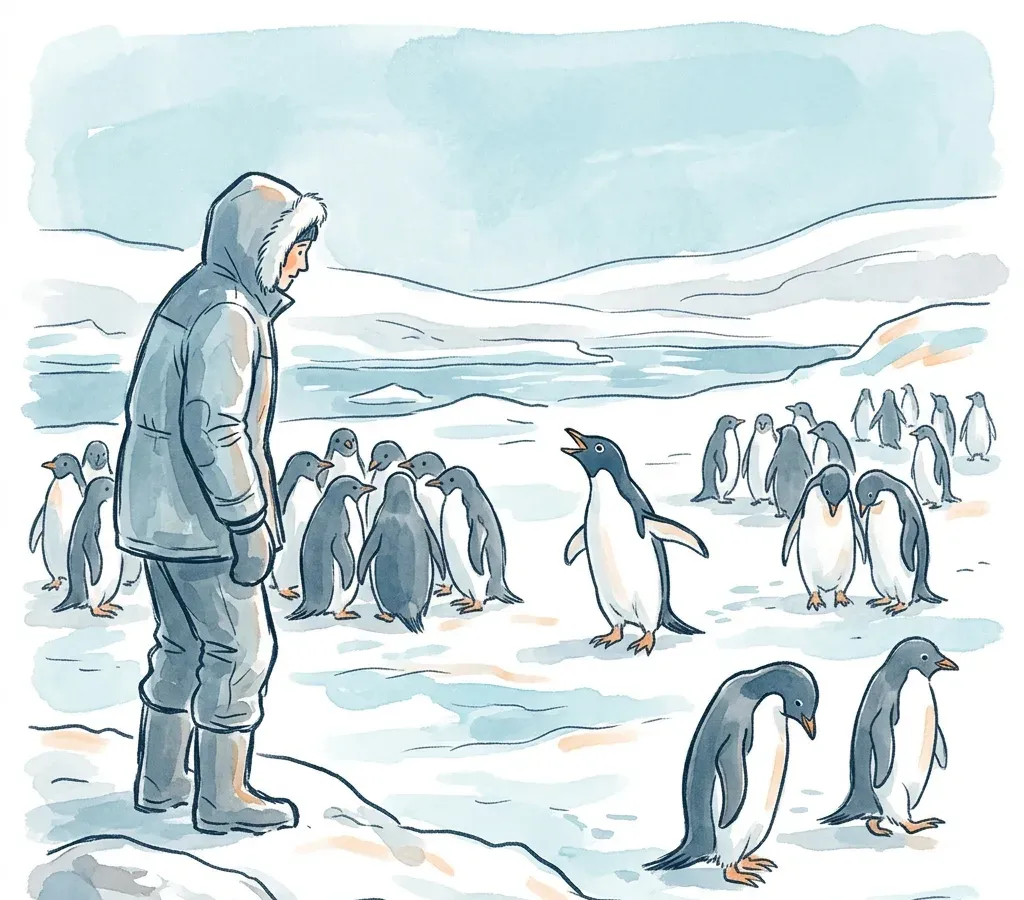
Under long-term care, penguins really may distinguish between different keepers. Some respond especially to a particular person’s footsteps, the sound of a bucket, or the rhythm of a voice, and they may be less nervous around familiar faces.
Wild penguins are already good at recognizing one another. During breeding season, a single coast can be packed with thousands or tens of thousands of birds, yet mates and chicks can still find their own family members through calls, location, and scent cues in the middle of the crowd.
That means their recognition ability is not weak. It is just aimed at different goals from the ones humans tend to imagine. What they remember are signals directly connected to survival.
So if you ask whether a penguin will rush over like a dog looking for its owner, the answer will usually be less dramatic. But if you ask whether penguins can remember familiar people, in many situations they can.
That kind of remembering is like marking one person on a very busy life map as a steady, predictable presence who brings fish.
FAQ
Do penguins recognize individuals in the wild too?
Yes. Many penguins can find their mate or their own chick in a noisy breeding colony by using calls, location, and other cues.
Do penguins recognize owners like dogs do?
Usually not in such a dramatic way. Penguins are more likely to remember keepers, feeding routines, voices, and safety signals than to show pet-like attachment.
What cues do penguins use to recognize familiar individuals?
They use calls, location, and scent cues in the wild, and may also respond to footsteps, bucket sounds, or a keeper's voice rhythm in care settings.