Penguins do not breathe underwater.
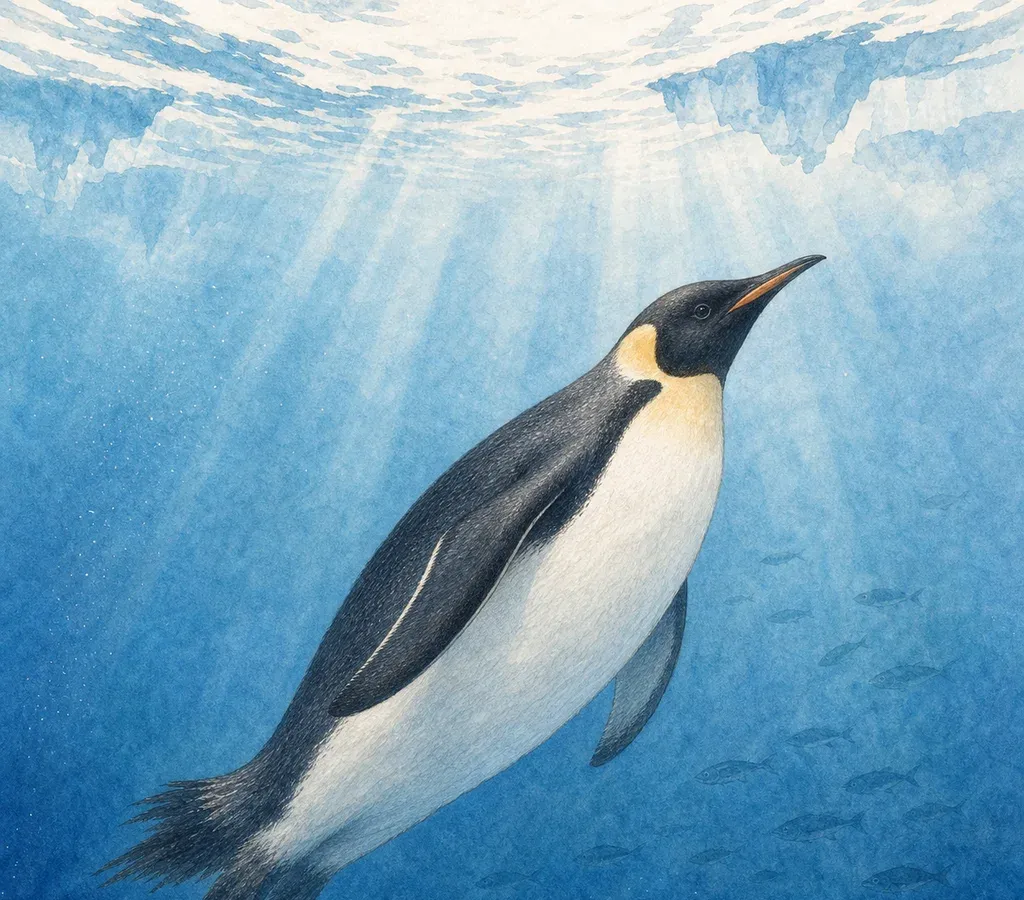
They are birds, so they breathe at the surface before diving. Underwater, the real question is how long they can manage the oxygen they brought with them.
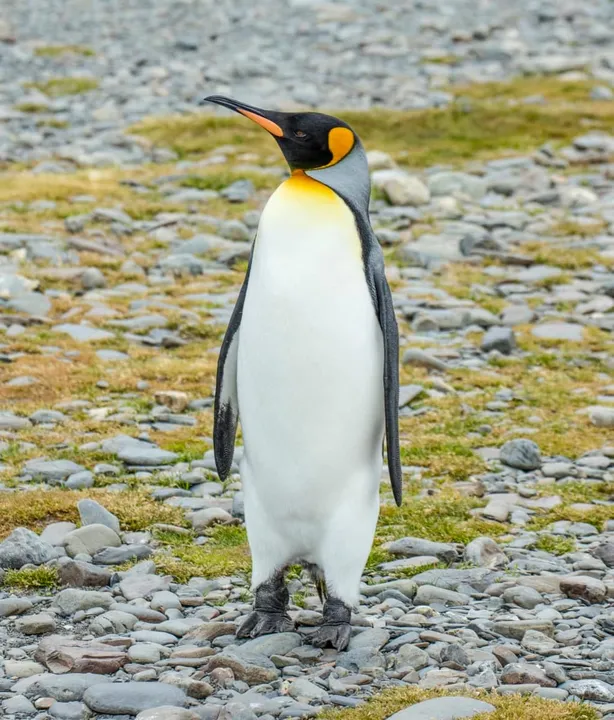
For many penguins, dives are measured in minutes. Species, age, prey depth, sea conditions, and predator pressure all change the number. Small penguins and shallow foragers should not be measured by the same standard as deep-diving specialists.
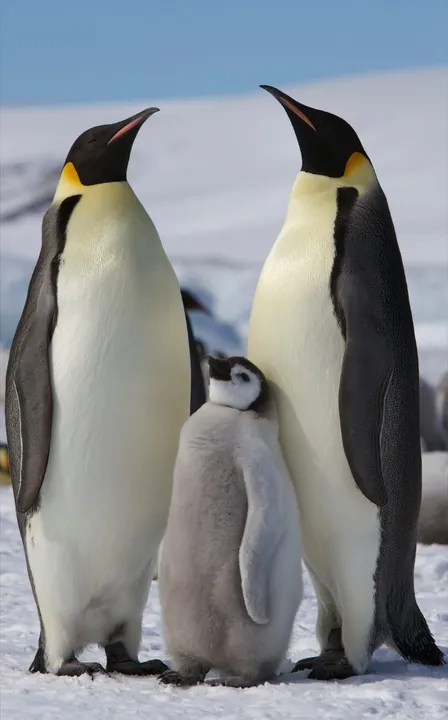
The emperor penguin is in another class. It dives beneath Antarctic sea ice to feed, and extreme records can exceed 20 minutes. That is an exceptional ability, not an average for penguins as a whole.
The impressive part is that the system is not simply “big lungs.” Oxygen is stored in the blood and muscles, heart rate can drop, and the body can shift energy toward the organs that need it most. Those adjustments help stretch a dive.
If you give emperor penguin numbers to every penguin, the answer becomes misleading. The more accurate version is: many penguins dive for minutes; the deep-diving champions can pass 20 minutes.
During that time, a penguin is budgeting oxygen with every movement. Chasing, turning, and surfacing all spend a little of the account.
For the full mechanism, continue with penguin diving physiology.
FAQ
Can penguins breathe underwater?
No. Penguins are birds and must return to the surface to breathe. Underwater, they rely on breath-holding and oxygen management.
Can all penguins hold their breath for 20 minutes?
No. More than 20 minutes belongs to extreme dives by deep-diving species such as the emperor penguin, not the average penguin.
How do penguins stay underwater for so long?
It is not just large lungs. Blood and muscle oxygen stores, heart-rate changes, and metabolism all matter. See penguin diving physiology.