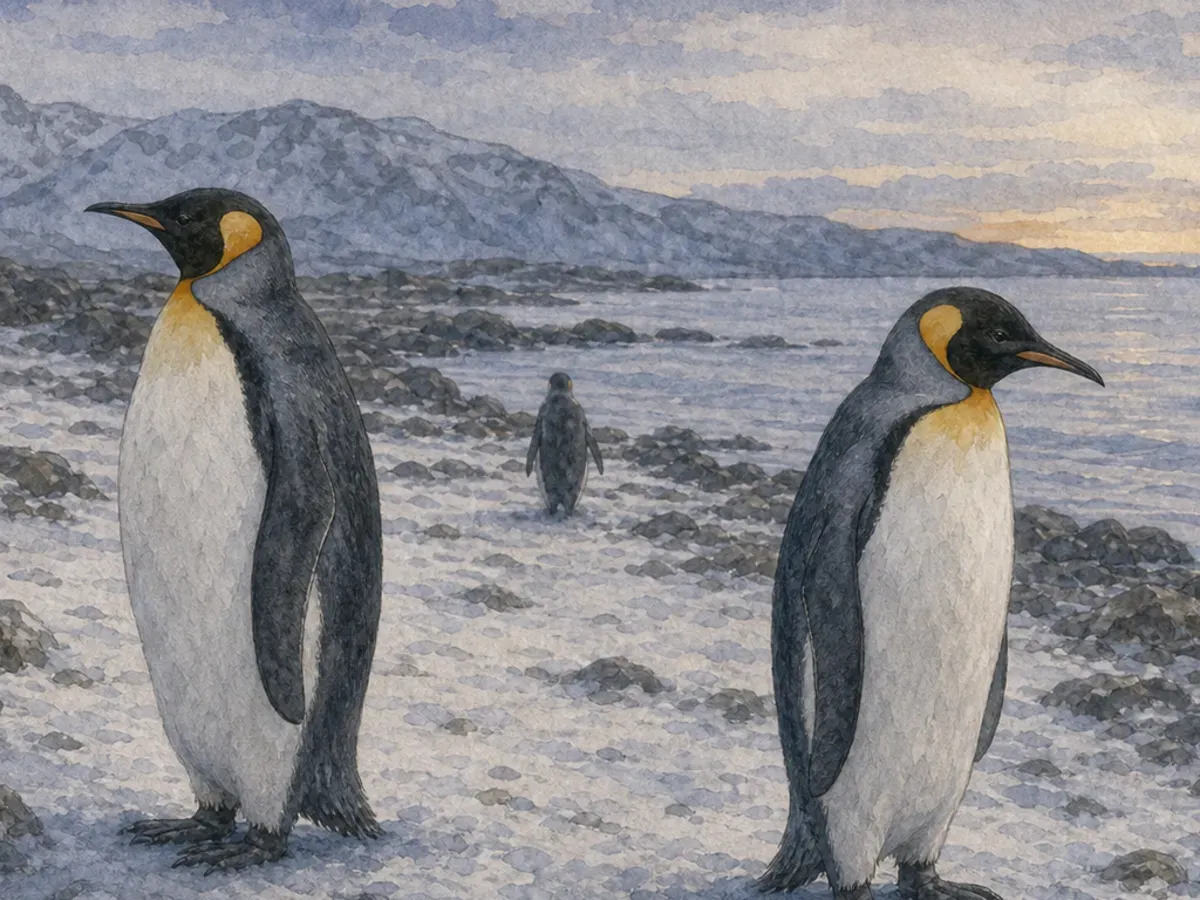
When looking up penguin partnership data, the first sentence you tend to hit is: penguins mate for life.
That sentence is not entirely wrong. It is just too clean. Most penguins keep a socially monogamous pair bond within a breeding season, taking turns incubating, feeding chicks, and guarding the nest; the full sequence sits inside penguin courtship and breeding. Whether they return to the same partner next season is a different question.
The schedule outside the romance
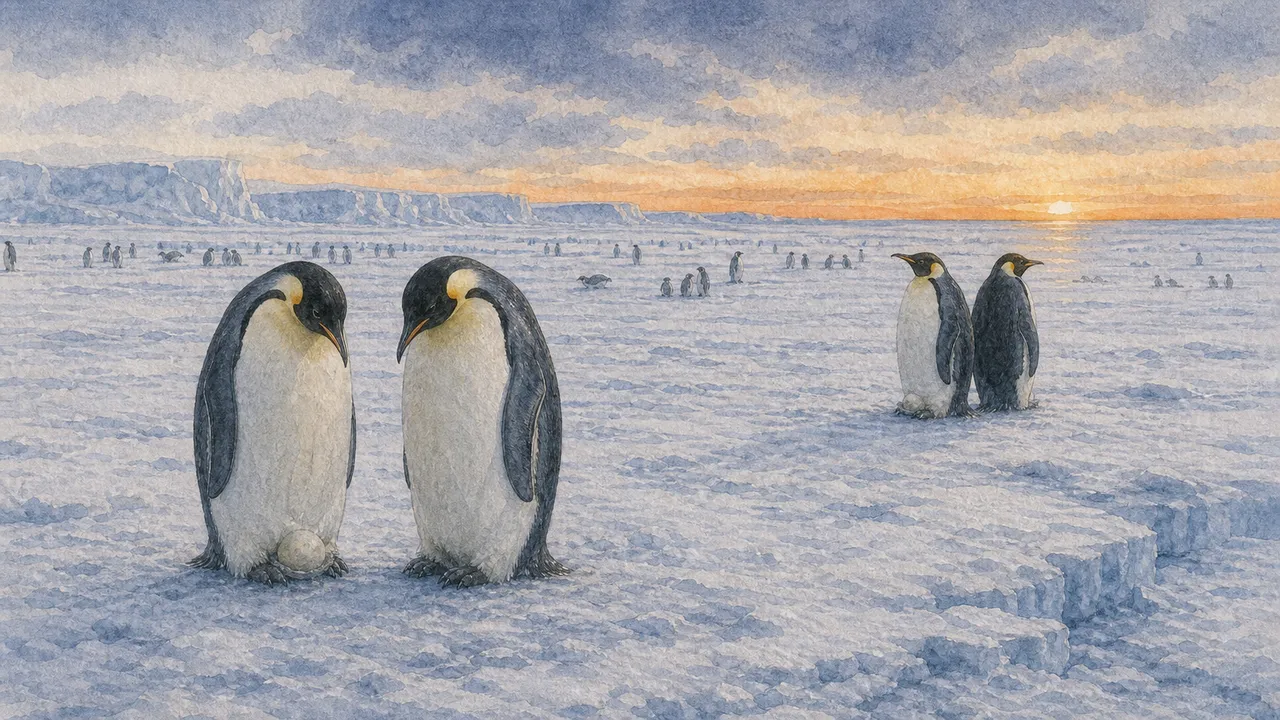
Bried, Jiguet, and Jouventin’s 1999 study in The Auk (DOI: 10.2307/4089382) laid out the low mate-fidelity rates of king penguins and emperor penguins. Both Aptenodytes penguins live a long time, so a familiar partner should seem valuable. Yet the share that reunites the following year is low.
The reason is not that they suddenly lose interest.
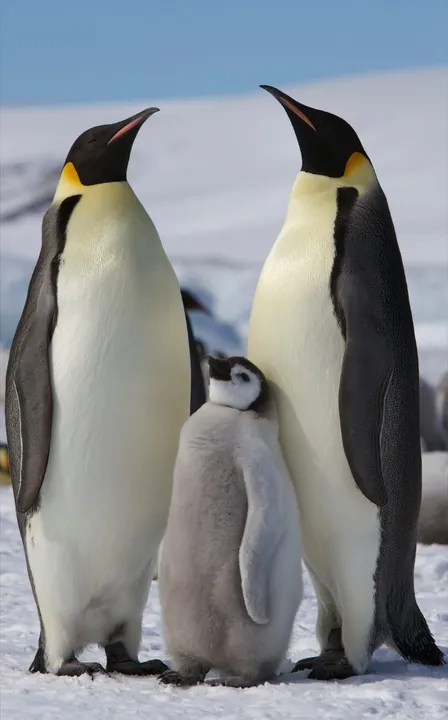
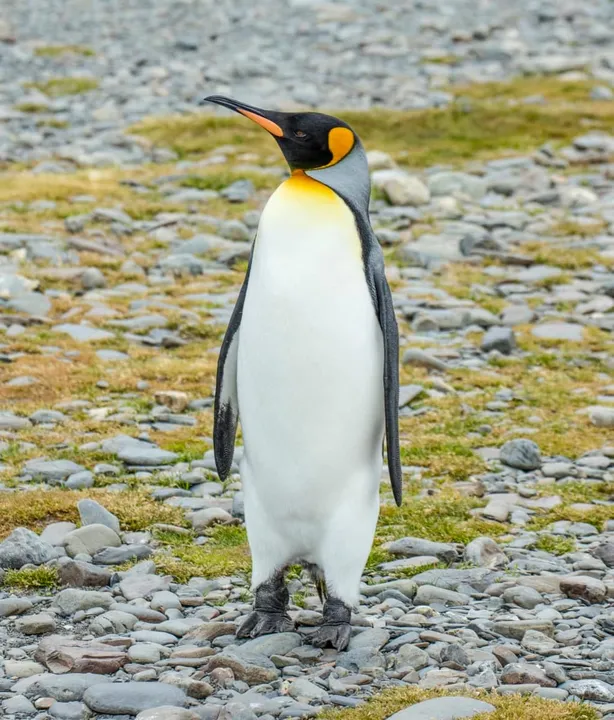
King penguins, Aptenodytes patagonicus, have a breeding cycle that runs 14 to 16 months. It does not fit into one tidy season per year. If partners arrive out of sync, the bird that returns first cannot wait forever. Eggs, fat reserves, and foraging schedules are all counting down. Emperor penguins, Aptenodytes forsteri, face a similar pressure: the pairing window on winter sea ice is short, and who arrives first, who is still alive, and who can immediately take on incubation often matter more urgently than the old bond.
This kind of separation feels less like betrayal in a human story and more like an extremely strict tide table.
Gentoo penguins often keep the same partner
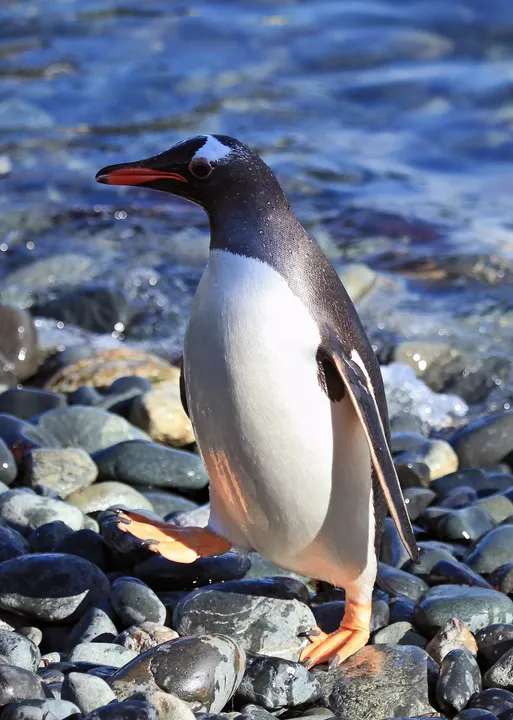
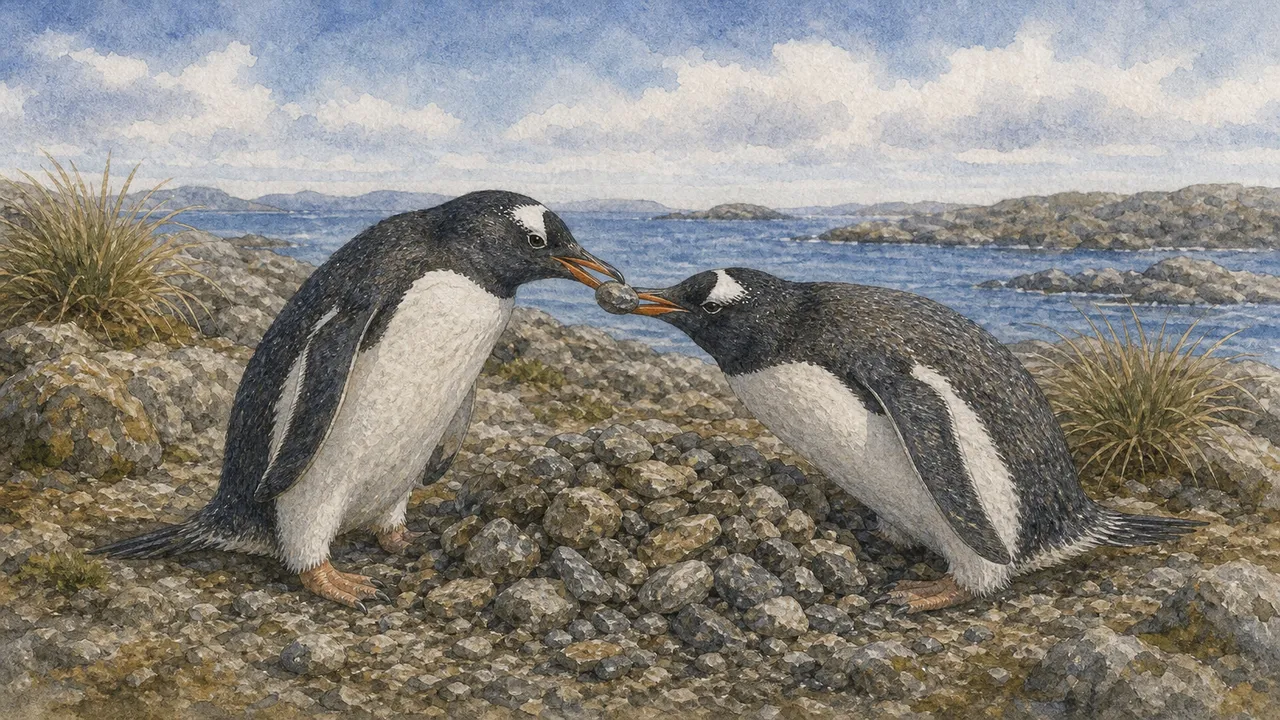
Gentoo penguins, Pygoscelis papua, are often used as the contrast. They are more likely to return to fixed nesting areas, nest site and partner are tied together, and an established pair can save time by not starting courtship from zero.
For the nest-material side of that courtship image, Adélie penguin pebbles are the cleaner next step.
But high fidelity is still not permanence. When Croxall and Davis reviewed penguin mate data in 1999, interannual mate-fidelity rates ranged from very low to very high. Penguins International later summarized the same pattern for general readers: across 12 species, the average was about 72%, with individual species ranging from 29% to 97%.
Once the numbers are separated out, the myth has less room to stand.
Little penguins turn divorce into a population signal
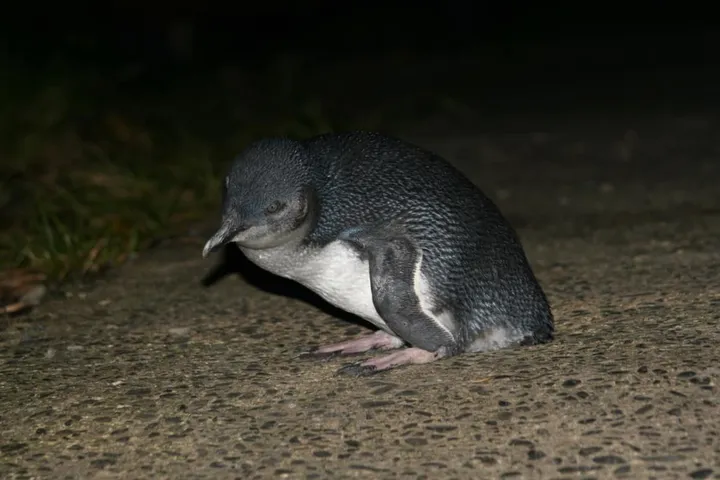
In 2025, Simpson and colleagues published a little penguin study in Ecology and Evolution (DOI: 10.1002/ece3.70787), using data from 13 breeding seasons on Phillip Island. The team compared foraging, environmental, and social factors. The variable that best predicted hatching and fledging success in the following season was, unexpectedly, divorce rate.
In low-divorce years, the colony’s overall breeding performance was better.
That does not mean divorce itself causes disaster. It behaves more like a thermometer. Failure in the previous year, higher food pressure, and unstable pairing can push more little penguins to find new partners. Finding a new partner costs time. Calls, displays, and nest-box competition all have to restart, and the breeding schedule slips.
One penguin changing partners is an individual choice. A whole field of nest boxes changing partners at once becomes a stress signal for the population.
Same-sex pairs are part of penguin society too
Penguin partnership discussions are often pulled toward another kind of story: same-sex pairs. Captive cases are the best known, but courtship displays and pairing behavior have also been observed in the wild. Reichard’s 2003 edited volume Monogamy is useful here because it makes one point very clear: social pairing, sexual behavior, and parental care do not have to overlap perfectly.
That is especially visible in penguins.
Their breeding success depends on two parents handing off a long chain of tasks: finding a nest site, guarding the egg, taking shifts, recognizing voices, avoiding skuas, and going to sea for food. If any link slows down, the next season’s choice can change.
Take away the romance, and the story gets clearer
“Mates for life” is easy to remember, but it hides the interesting part.
Penguin partnership is a system for managing breeding risk. In stable years, a familiar partner saves costs. After failure, changing partners may buy a new chance. When the environment worsens, the whole population’s pairing rhythm can loosen at once.
After reading these studies side by side, penguins do not become less romantic. They become more like wild animals. Every reunion has to wait for wind, sea ice, nest sites, and timing to allow it.
References
- Bried, Jiguet & Jouventin, 1999, The Auk, DOI: 10.2307/4089382.
- Simpson et al., 2025, Ecology and Evolution, DOI: 10.1002/ece3.70787.
- Williams, 1995, The Penguins: Spheniscidae.
- Reichard, 2003, Monogamy: Mating Strategies and Partnerships in Birds, Humans and Other Mammals.
FAQ
Do penguins really mate for life?
Not completely. Most penguins keep a socially monogamous bond within one breeding season, but whether they return to the same partner next season depends on arrival timing, nest sites, and the previous breeding result.
Why do king and emperor penguins show low mate fidelity?
Bried, Jiguet, and Jouventin 1999 found that king penguins have a 14-to-16-month breeding cycle, while emperor penguins have a short winter sea-ice pairing window, so mistimed returns can break an old pair.
What does little penguin divorce rate signal?
Simpson and colleagues analyzed 13 breeding seasons on Phillip Island in 2025 and found that divorce rate best predicted next-season hatching and fledging success; low-divorce years had better colony performance.
Are gentoo penguins more faithful to partners?
Gentoo penguins often return to fixed nesting areas, so nest site and partner are closely tied. That raises mate fidelity, but it is not permanence; across 12 species, the average was about 72%, ranging from 29% to 97%.