Why Emperor Penguin Moult Depends on Stable Sea Ice
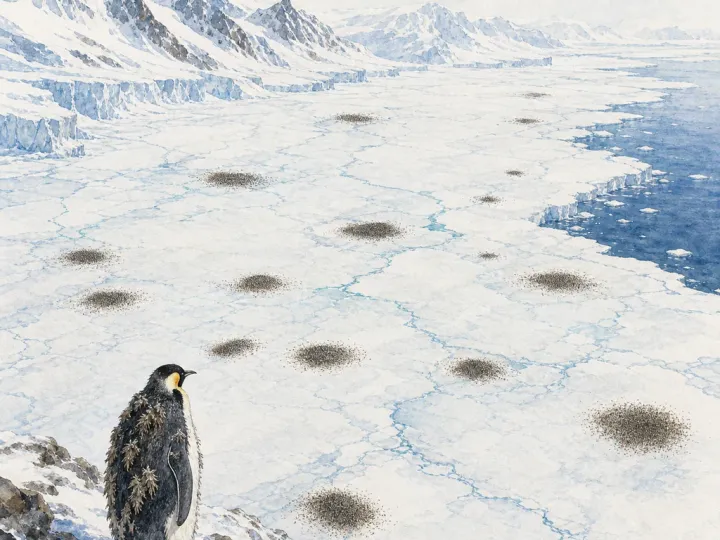
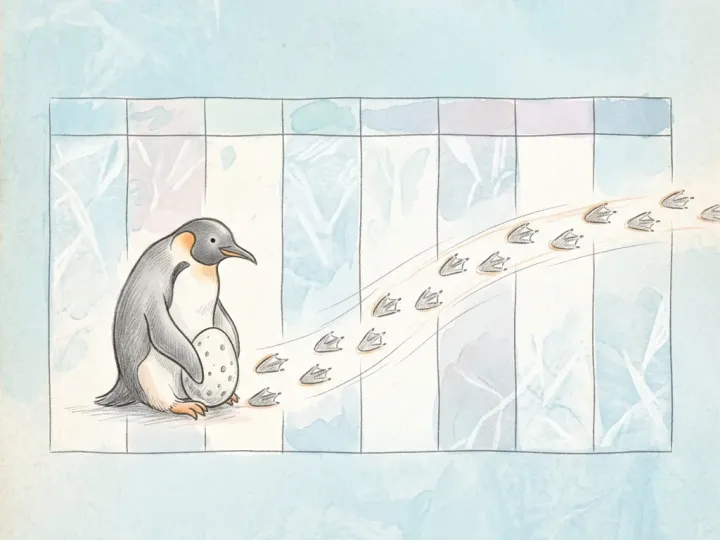
Emperor penguins cannot swim for weeks during moult; the 2026 Marie Byrd Land satellite study shows why fast-ice risk is not only a breeding-season problem.
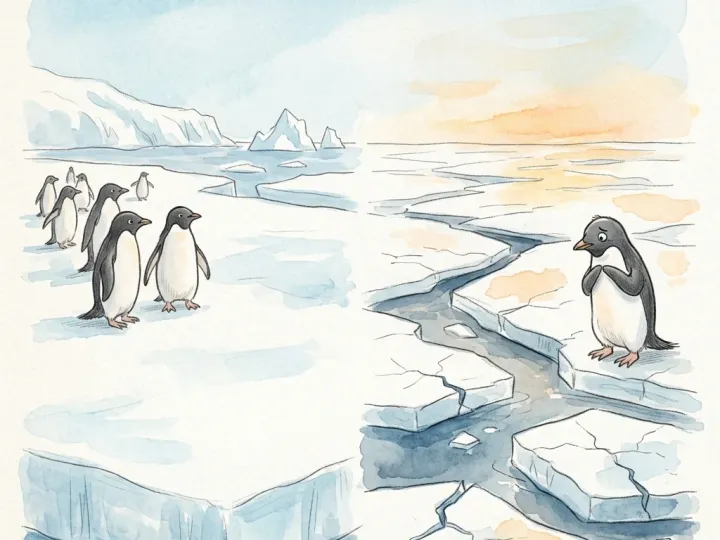
Fast ice is sea ice fixed to coasts, ice walls, ice-shelf fronts, shoals, or grounded icebergs; for emperor penguins, it can be the floor that breeding, chicks, and moult depend on.
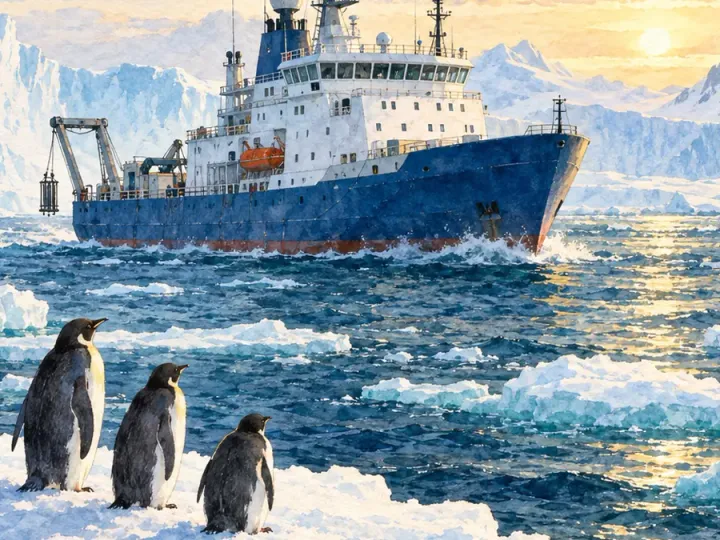
The Antarctic Treaty Consultative Meeting closed in Hiroshima on May 21, 2026. A proposal to give emperor penguins special protected status failed again after China and Russia objected.
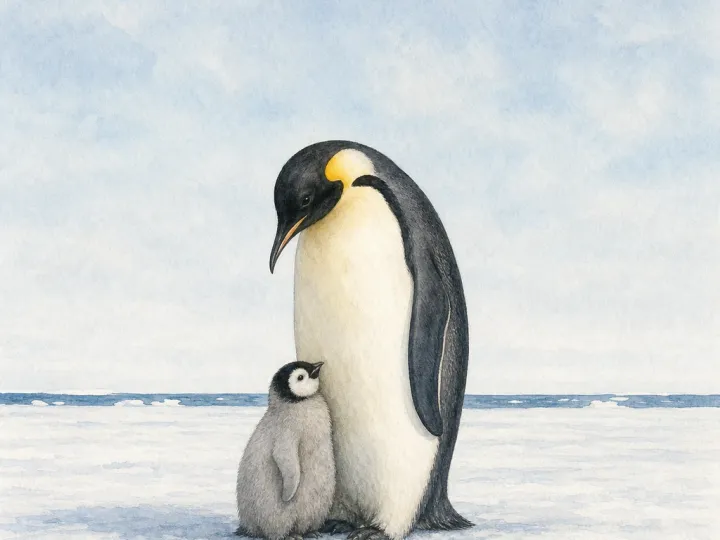
The International Union for Conservation of Nature (IUCN) Red List moved emperor penguins to Endangered in April 2026 because unstable Antarctic sea ice puts chicks at risk before waterproof feathers grow.
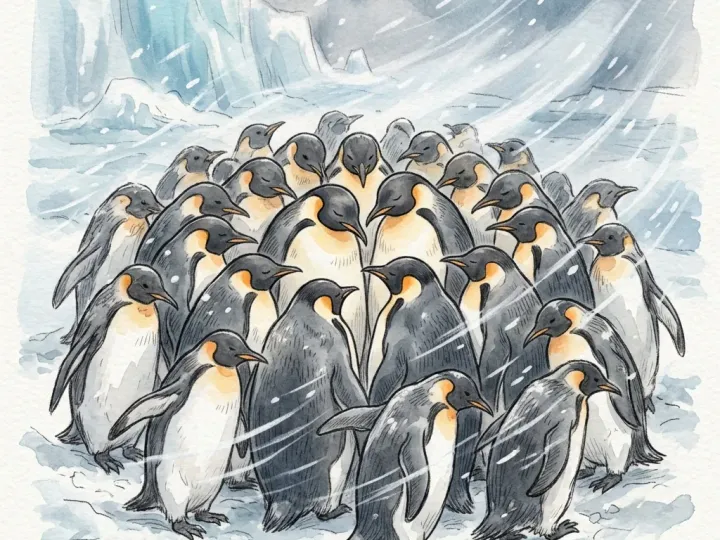
Whether penguins get cold depends on the species. Emperor penguins are built for Antarctic cold, but African and Galapagos penguins often deal more with overheating, hard sun, and water stress than with freezing.
A decade of data from the University of Oxford and Oxford Brookes University shows Antarctic gentoo penguins breeding 13 days earlier per decade on average, with some colonies shifting by 24 days.
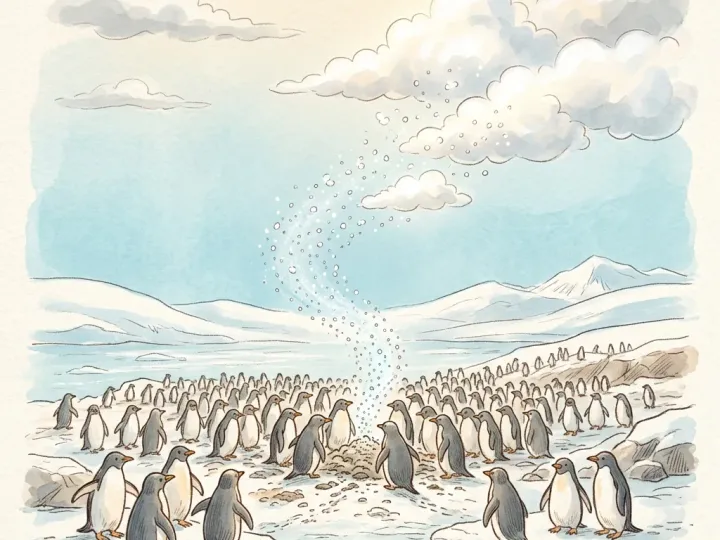
A 2025 study found Adelie penguin guano can release ammonia up to 1000 times background levels, potentially helping aerosols and low clouds form.
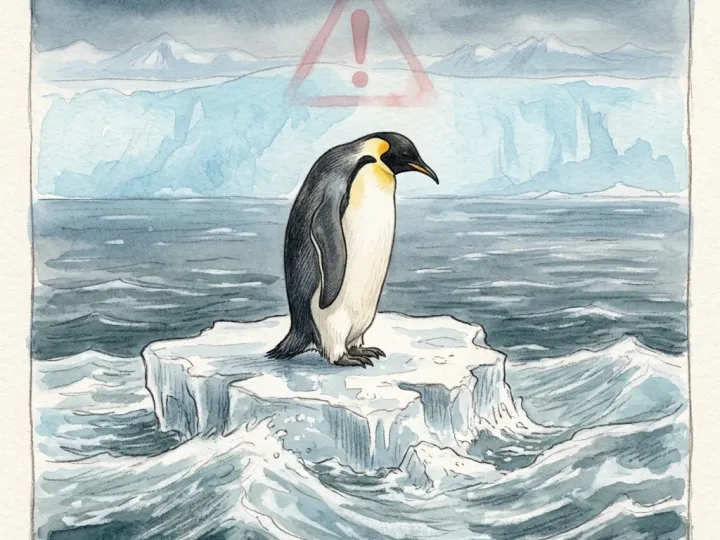
The National Snow and Ice Data Center (NSIDC) says the four lowest Antarctic summer sea-ice extents in the satellite record have occurred from 2022 through 2025, raising pressure on emperor penguin breeding.