Original source: Science News
At first glance, the title of this study sounds mischievous.
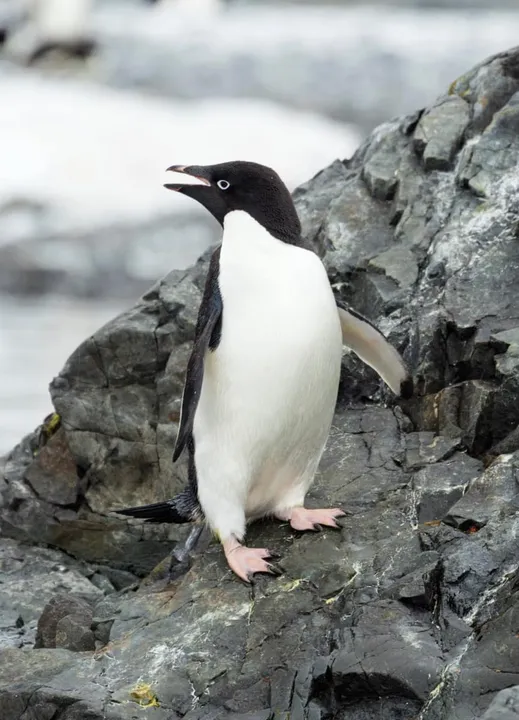
The substance is quite serious. Scientists found that guano near Adelie penguin colonies releases large amounts of ammonia, with concentrations at times reaching 1000 times the background level.
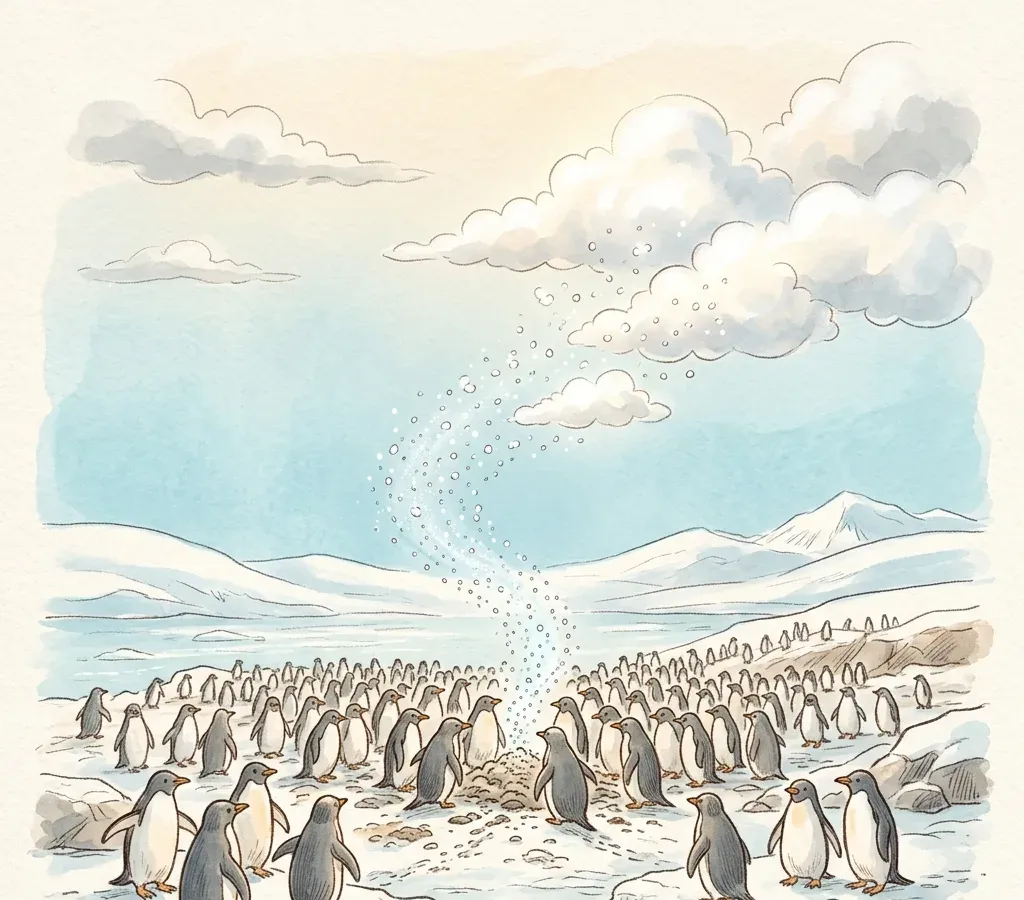
That ammonia can help aerosol particles form, which in turn can encourage low clouds to appear. The waste penguins leave behind every day may also be quietly taking part in making weather above Antarctica.
When we think about penguin poop, we usually think about smell, color, and those vivid pink stains that stand out on satellite images.
It turns out the line may run from the ground all the way to clouds, radiation budgets, and the speed of local sea-ice melt. It sounds a little absurd.
But the data point in that direction. Antarctica has always been a linked system: penguins walking on the ground, sea ice drifting on the ocean, clouds growing overhead. It turns out they may all be connected. Even the poop gets a role, so the penguins themselves were never just background characters.
FAQ
How can penguin poop help clouds form over Antarctica?
The article says guano near Adelie penguin colonies releases ammonia, which can help aerosol particles form and encourage low clouds.
How high were the ammonia levels near Adelie penguin colonies?
The article notes that ammonia concentrations at times reached 1000 times the background level.